Iran-Israel16 November, 20252 min read
Iran Sprays Chemicals to Seed Clouds Over Dried Lake Urmia Amid Historic Drought
Iran deployed aircraft to spray cloud-seeding chemicals over the largely dried Lake Urmia basin. Authorities dispersed silver iodide and salt particles into clouds to try to induce rainfall.

9 outlets told this the same way.
Outlets did split on U.S. Intercepts Iran Message Activating Sleeper Cells After U.S.-Israel Strike Kills Khamenei →
Cloud-seeding at Lake Urmia
Iran has resumed cloud-seeding flights over the heavily shrunken Lake Urmia basin in the northwest as an emergency response to a historic drought. Authorities reported an initial flight and promised further operations across East and West Azerbaijan provinces. Officials and state media say aircraft, and in some reports drones, will disperse seeding agents to try to induce rain and boost runoff into catchment basins near the lake.
“Iran has resumed cloud-seeding flights, starting over the heavily shrunken Urmia Lake basin and with plans for operations in East and West Azerbaijan provinces, dispersing agents like silver iodide or salt from aircraft.”
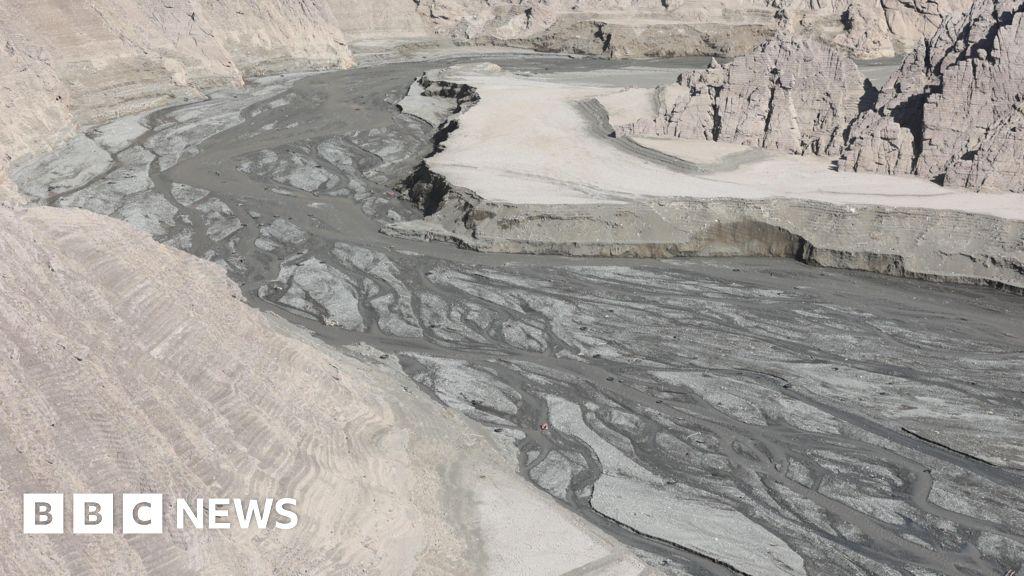
The operation is presented as a technical effort to stimulate precipitation amid dramatic surface water loss at Urmia. Lake Urmia has largely dried into a salt plain after prolonged aridity.

Nationwide drought and shortages
The campaign comes amid an extreme nationwide rainfall shortfall. Multiple outlets report autumn precipitation was roughly 89% below long-term averages, calling it the driest autumn in about 50 years. Tehran recorded its lowest rainfall in roughly a century.
Reservoirs and major dams are at historic lows and near empty. Authorities warn some cities could face imminent water shortages. The situation has prompted emergency conservation measures and sharp cuts to water use.
Cloud-seeding operations
Officials describe cloud-seeding as an established weather-modification tool. They say aircraft will disperse particles such as silver iodide or salt into clouds, and some reports also mention ground generators.
Iranian authorities say they have domestic cloud-seeding technology and plan ongoing operations. Media note the seeding aims to increase runoff into catchment basins to marginally raise water availability rather than restore the lake in the short term.
Iran drought warnings and impacts
Iranian leaders have warned of severe societal impacts if rains do not arrive. President Masoud Pezeshkian and other officials have publicly raised the prospect of water rationing, emergency measures and even evacuation scenarios for Tehran.
Authorities are already imposing strict water-use cuts in affected areas. Media reports link these warnings to the prospect that, without precipitation, major population centers could face acute shortages of drinking water and services.

Cloud-seeding media coverage
Coverage diverges when it comes to geopolitics, historical context and culpability. Some outlets place the cloud-seeding plainly in the context of climate change and domestic emergency response.
“Officials say climate change is worsening the country’s acute water crisis and threatening drinking supplies in major cities including Tehran.”
Others note regional cloud-seeding activity and prior Iranian accusations that countries such as Israel and the UAE attempted to divert or block rain. Regional media reported that claim, but international outlets presented it as an allegation rather than a verified fact.
