
Iran strikes Dimona and Arad near Israel's main nuclear facility
Key Takeaways
- Iranian missiles struck Dimona and Arad, near Israel's main nuclear facility, causing casualties.
- Iranian state media described the strikes as a response to Natanz, framing it as retaliation.
- UN atomic watchdog said there was no detected damage at the Dimona facility.
Retaliatory Strikes
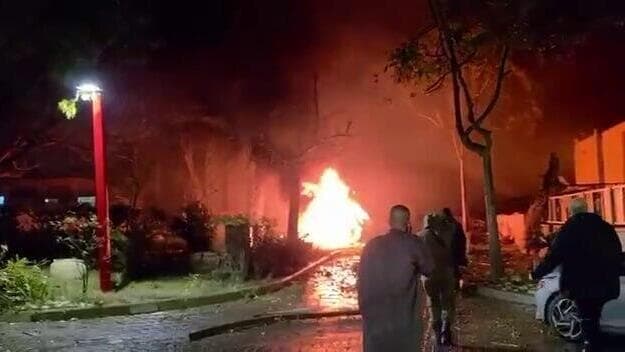
Iran launched missile strikes on two southern Israeli communities, Dimona and Arad, near Israel's main nuclear research center in what state media described as retaliation for earlier attacks on Iran's Natanz nuclear facility.
“The Israeli military said ‘‘interception attempts were carried out’’ after the missiles were detected”
Iranian state television framed Saturday's attacks as a "response" to the reported strike on Natanz enrichment complex, marking a dramatic escalation in the conflict now in its fourth week.
The strikes came hours after Iran's main nuclear enrichment site at Natanz was hit in an airstrike, for which Israel's military denied responsibility.
This tit-for-tat targeting represents a significant intensification of hostilities between the two adversaries, with both sides now targeting each other's nuclear infrastructure.
The developments signaled that the war was moving in a dangerous new direction at the start of its fourth week, with President Donald Trump simultaneously warning the U.S. will "obliterate" Iranian power plants if it doesn't fully open the Strait of Hormuz within 48 hours.
Civilian Impact
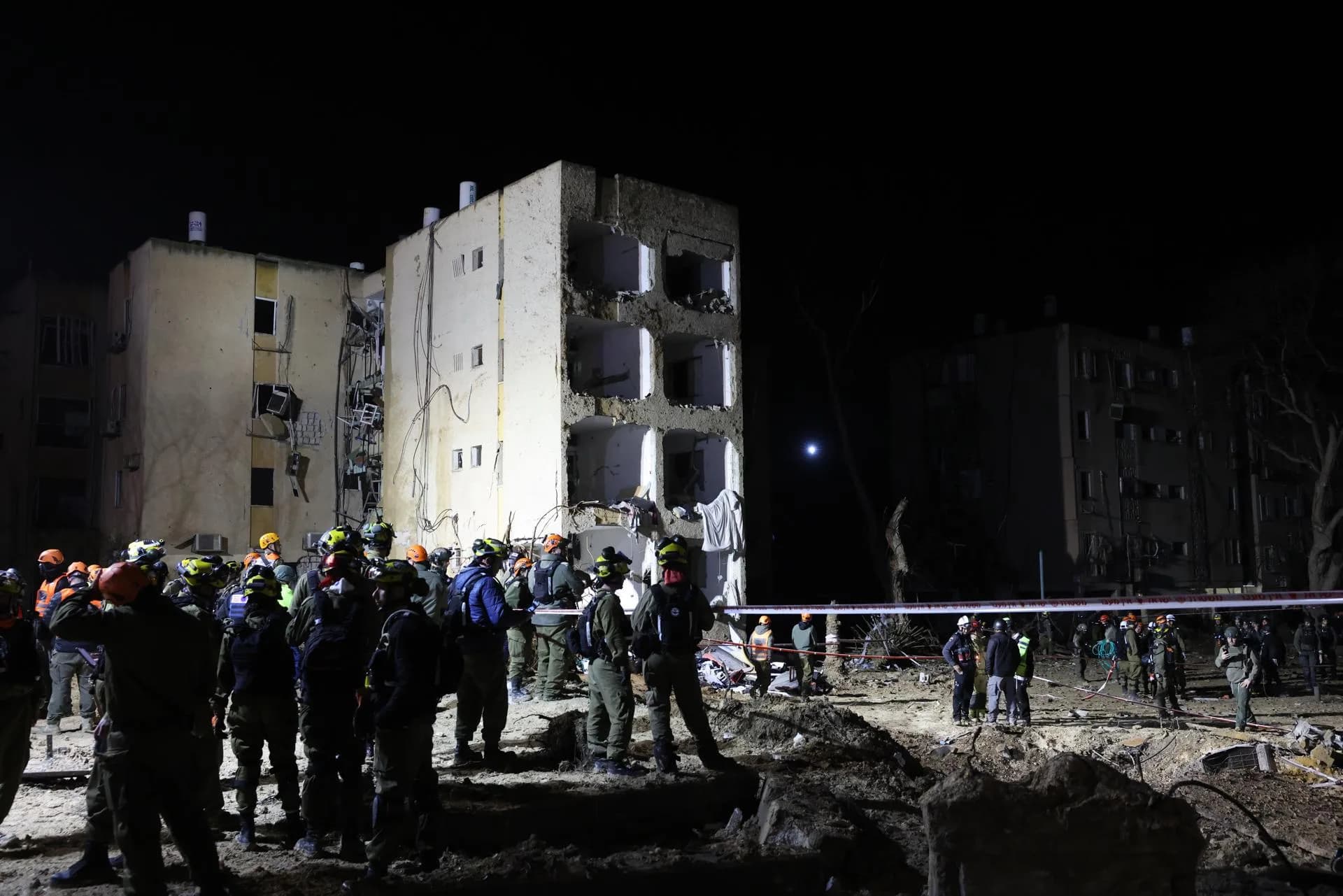
The Iranian missile strikes caused significant damage and injuries in both Israeli communities, with over 100 people wounded in total.
In Dimona, at least 33-40 people were injured, including a 10-year-old boy in serious condition with multiple shrapnel wounds, while in Arad, between 64-84 people were wounded, with 10 in serious condition.

Israeli emergency services reported extensive damage, with residential buildings shattered and at least three buildings in Arad completely destroyed and in danger of collapsing.
Footage verified by multiple outlets showed missiles striking the cities, followed by large explosions, with one three-storey building in Dimona completely collapsing.
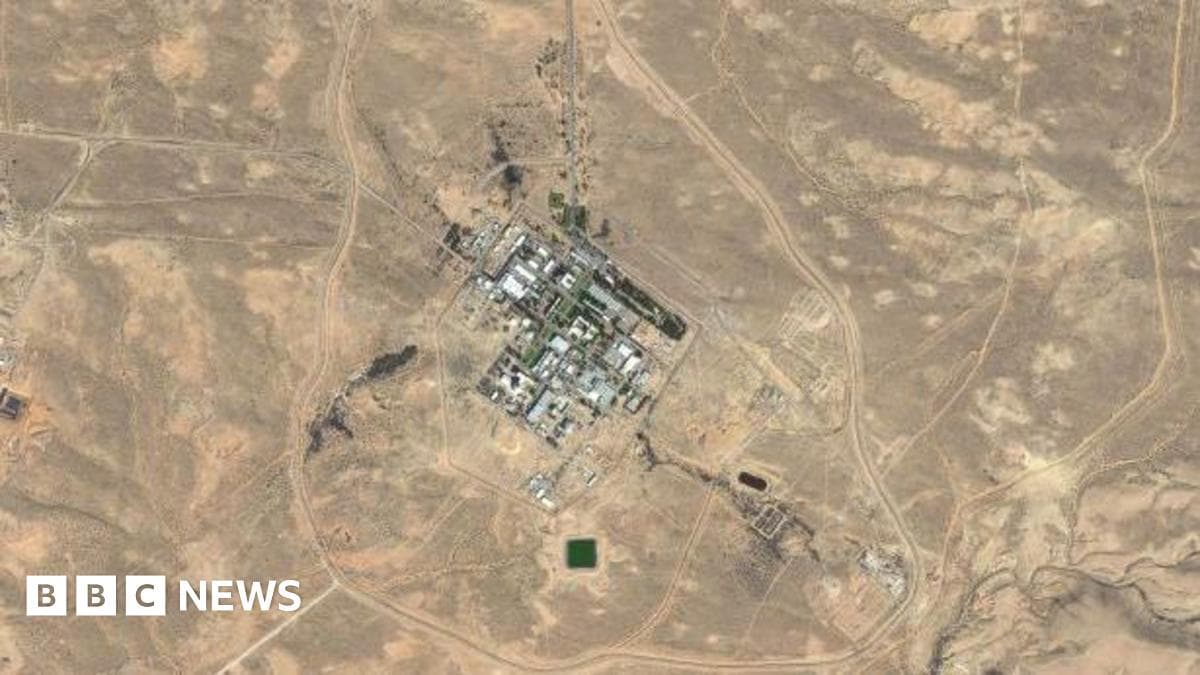
The International Atomic Energy Agency (IAEA) confirmed it had received no indication of damage to the Shimon Peres Negev Nuclear Research Center at Dimona itself, and that no abnormal radiation levels had been detected in the area.
The nuclear watchdog's Director General Rafael Grossi urged that "maximum military restraint should be observed, in particular in the vicinity of nuclear facilities."
Defense Failure
Israel's military acknowledged that its air defense systems failed to intercept the Iranian missiles, marking a significant operational failure.
“Israeli rescuers say more than 100 people have been wounded in Iranian missile attacks on the southern city of Dimona – home to Israel’s main nuclear facility – and nearby Arad, in one of the most dramatic escalations since the US-Israel war on Iran began”
An Israeli military spokesman said Israel's air defense systems were activated during the attacks, but failed to intercept some of the missiles, even though they were not "special or unfamiliar."
"In both Dimona and Arad, interceptors were launched that failed to hit the threats, resulting in two direct hits by ballistic missiles with warheads weighing hundreds of kilograms," firefighters reported.
Israeli military spokesman Brigadier General Effie Defrin acknowledged that "the air defence systems operated but did not intercept the missile," adding that they would investigate the incident.
Iran's Parliament Speaker Mohammad Bagher Ghalibaf declared that "If the Israeli regime is unable to intercept missiles in the heavily protected Dimona area, it is, operationally, a sign of entering a new phase of the battle."
The Israeli army launched a formal inquiry into the malfunction, with Defrin stating it is "not a matter of a different or special type of missile" but rather a failure of the existing systems.
Escalation Response
Prime Minister Benjamin Netanyahu responded to the attacks by calling it "a very difficult evening in the campaign for our future" and vowed that Israel would "continue to strike our enemies on all fronts."
Israeli Defense Minister Israel Katz warned that attacks would "increase significantly" next week, signaling further escalation.
Israel's army chief, General Eyal Zamir, stated "The war is not close to ending," indicating the conflict's protracted nature.
Meanwhile, Iran demonstrated previously undisclosed long-range capabilities by targeting the joint U.K.-U.S. base at Diego Garcia in the Indian Ocean, approximately 2,500 miles away, suggesting Tehran has missiles that can reach farther than previously acknowledged.
Military experts suggested Iran may have used its space launch vehicle for an improvised firing, as Israel's army chief claimed Iran had fired "a two-stage intercontinental ballistic missile."
The unsuccessful strike on Diego represented Iran's longest-range attack yet in the conflict, raising concerns about the expanding geographic scope of the hostilities.
Global Impact
The strikes on Dimona and Arad occurred against the backdrop of broader regional instability and economic consequences.
“Live updates: Iran strikes 2 areas near Israel’s main nuclear research center, with several injured Major developments we’re following: - The Trump administration has said it will lift sanctions on Iranian oil stranded at sea under a 1-month license”
The Strait of Hormuz remained effectively closed due to Iranian actions, which combined kinetic strikes, mines, electronic warfare, and market fear to restrict global oil supplies, sending prices soaring worldwide.
North Sea Brent crude was trading above $105 per barrel, raising the cost of living for hundreds of millions of people globally.
A joint statement from several countries including the UK, France, Italy, Germany, South Korea, Australia, the UAE and Bahrain condemned the "de facto closure of the Strait of Hormuz by Iranian forces."
Trump has slammed NATO allies as "cowards" for not taking more aggressive action to secure the vital waterway.
Meanwhile, Iran's Health Ministry reported that more than 1,500 people have been killed in the country during the war, while Israeli authorities reported 15 people killed by Iranian missiles and four others died in the occupied West Bank.
The conflict has displaced millions of people in Lebanon and Iran, with its effects being felt far beyond the Middle East through rising food and fuel prices.
More on Iran

Trump Threatens to Obliterate Iran's Power Plants Over Strait of Hormuz
44 sources compared

Trump threatens to obliterate Iran's power plants over a 48-hour Hormuz ultimatum
13 sources compared
US and Israel Strike Iran's Natanz Enrichment Site; No Radioactive Leaks Reported.
81 sources compared

Iran Attacks Diego Garcia with Ballistic Missiles in Longest Strike Yet
128 sources compared