
Iran strikes Prince Sultan Air Base, damages US refueling planes
Key Takeaways
- Iranian strike damaged five U.S. refueling planes at Prince Sultan Air Base.
- Planes damaged on the ground and undergoing repairs; no fatalities reported.
- Wall Street Journal reported the Iranian strike, citing two US officials.
Iranian Strike on Base
Iran conducted a missile strike on Saudi Arabia's Prince Sultan Air Base, damaging five US Air Force refueling aircraft.
The attack represents a significant escalation of the ongoing Middle East conflict involving US, Israeli, and Iranian forces.

The strike targeted strategic US military assets at the air base where refueling planes were stationed.
This attack marks another direct confrontation between Iranian forces and US military infrastructure in the region.
The incident occurred during heightened tensions following the outbreak of war on February 28, 2026.
Aircraft Damage & Casualties
The damaged aircraft were KC-135 Stratotankers that suffered partial damage but remained repairable.
No casualties were reported in the Iranian strike on the Saudi air base.
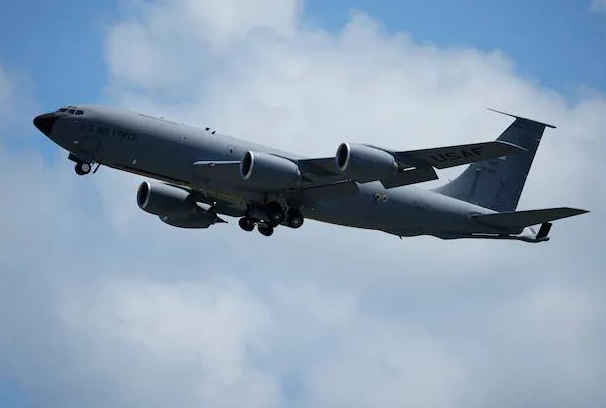
The incident is part of a broader pattern of US military losses during Operation Epic Fury.
The Pentagon confirmed at least 13 US service members have been killed since the conflict began.
Six crew members died when a KC-135 crashed in western Iraq on March 12.
Approximately 140 US service members have been injured, with eight severely wounded.
Military Impact
The Iranian strike has significantly impacted US military operations in the region.
“Five US Air Force refueling planes have reportedly been damaged in an Iranian missile strike at Prince Sultan Air Base in Saudi Arabia”
Refueling aircraft are critical for sustaining ongoing Operation Epic Fury against Iran.
At least seven US Air Force refueling planes have been damaged or destroyed since the conflict began.
This undermines America's ability to conduct long-range strikes deep inside Iranian territory.
KC-135 Stratotankers are essential for midair refueling of fighter jets including B-2s, F-15s, and F-35s.
Aerial refueling is one of the most technically demanding maneuvers in military aviation.
The US operates roughly 75% of the world's tanker aircraft.
Trump's Response
US President Donald Trump has responded to the escalating conflict with strong rhetoric.
Trump declared complete destruction of Iran's military capabilities and leadership.

In a Truth Social post, Trump stated: 'We are completely destroying Iran's terrorist regime in all aspects—military, economic, and otherwise.'
He claimed Iran's navy and air force no longer exist and all military assets are being destroyed.
Trump also stated that Iran's leadership has been 'eliminated from the face of the Earth.'
His remarks referenced Iran's alleged 47-year history of killing innocent people worldwide.
Trump contrasted this with his role as the 47th president of the United States.
Iranian Claims
The Iranian government and military leadership have provided alternative narratives about the incidents.
“Iran struck and damaged five US Air Force refuelling planes on the ground at Saudi Arabia’s Prince Sultan Air Base, The Wall Street Journal reported, in what would mark a major escalation in the Middle East conflict involving the United States-Israel and the Islamic Republic”
Iran's IRGC issued a statement claiming responsibility for destroying the KC-135 aircraft.
The IRGC stated the aircraft was destroyed while refueling an 'aggressor fighter jet.'
Iran's Khatam al-Anbiya Central Headquarters claimed it was targeted by 'Resistance Front' missiles.
These statements contradict US Central Command's assessment that the loss was not due to hostile fire.
The conflicting narratives highlight information warfare aspects of the ongoing conflict.
More on Iran
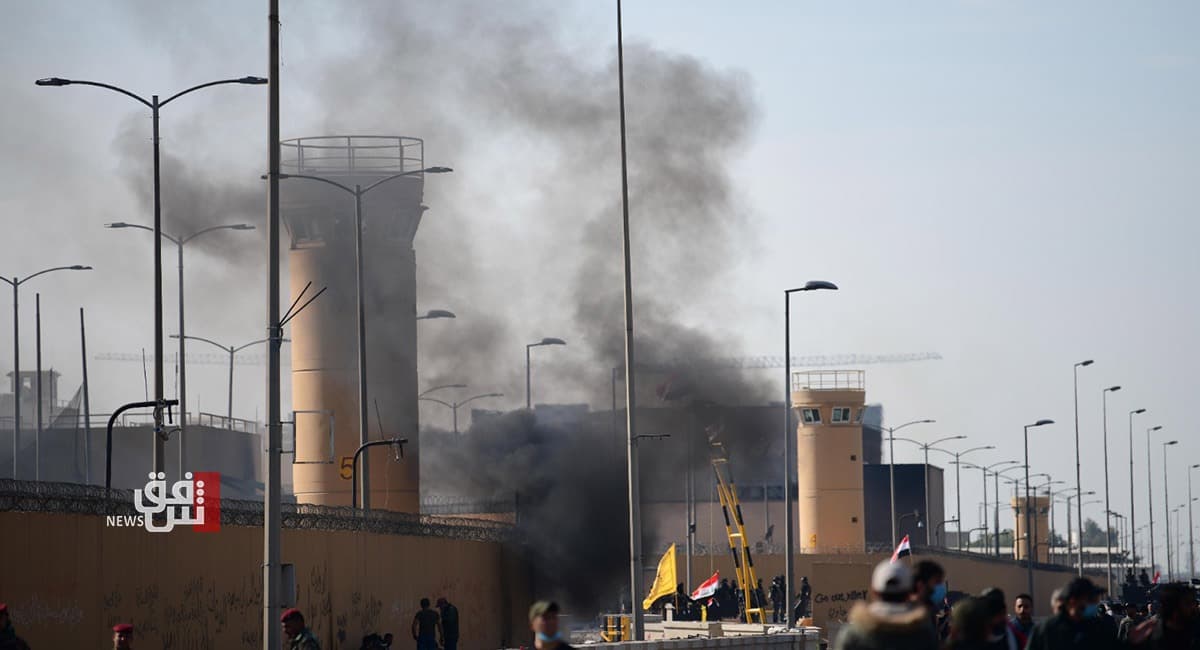
Pro-Iran Group Strikes U.S. Embassy in Baghdad
17 sources compared

Iran vows retaliation after U.S. strike on Kharg Island oil hub
191 sources compared

Iran Threatens UAE Ports, Urges Evacuation as US Strikes Kharg Island
86 sources compared
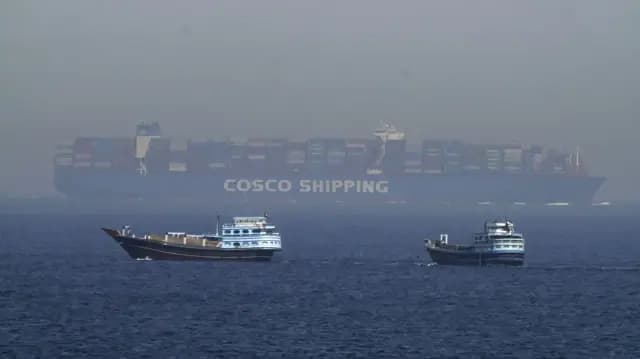
Iran Considers Allowing Limited Oil Tanker Passage Through Strait of Hormuz if Traded in Yuan
10 sources compared