Iran-Israel02 March, 20262 min read
Iran Strikes U.S. Embassy in Riyadh With Drones
Two drones struck the U.S. Embassy in Riyadh, causing minor damage U.S. and Israeli airstrikes have hit Tehran and Beirut amid escalating regional attacks

16 outlets told this the same way.
Outlets did split on U.S. Intercepts Iran Message Activating Sleeper Cells After U.S.-Israel Strike Kills Khamenei →
Drone strikes on U.S. embassy
Multiple outlets reported that drones struck the U.S. embassy compound in Riyadh early on Tuesday. The strikes caused a limited fire and light or minor material damage but no reported injuries. Local reporting said the embassy advised Americans to shelter in place and that the U.S. embassy in Kuwait was closed.
“Drones struck the U.S. embassy in Riyadh overnight, causing limited fires and minor material damage; no injuries were reported. The embassy advised Americans in Jeddah, Riyadh and Dhahran to shelter in place and avoid the embassy; the U.S. embassy in Kuwait is closed until further notice.”
Regional outlets similarly described two drones hitting the diplomatic compound and causing small fires and damage. These accounts consistently describe damage as limited and note no immediate embassy casualties in Riyadh.

Diplomatic precautions and responses
Governments and diplomatic missions took precautionary steps amid the strikes.
The U.S. State Department moved to reduce personnel in some posts and ordered non-emergency staff and families to leave certain countries.

Local embassy guidance urged sheltering in place.
At the same time, leaders signalled imminent military or political responses, comments that several outlets reported alongside the embassy strikes.
Regional exchanges of force
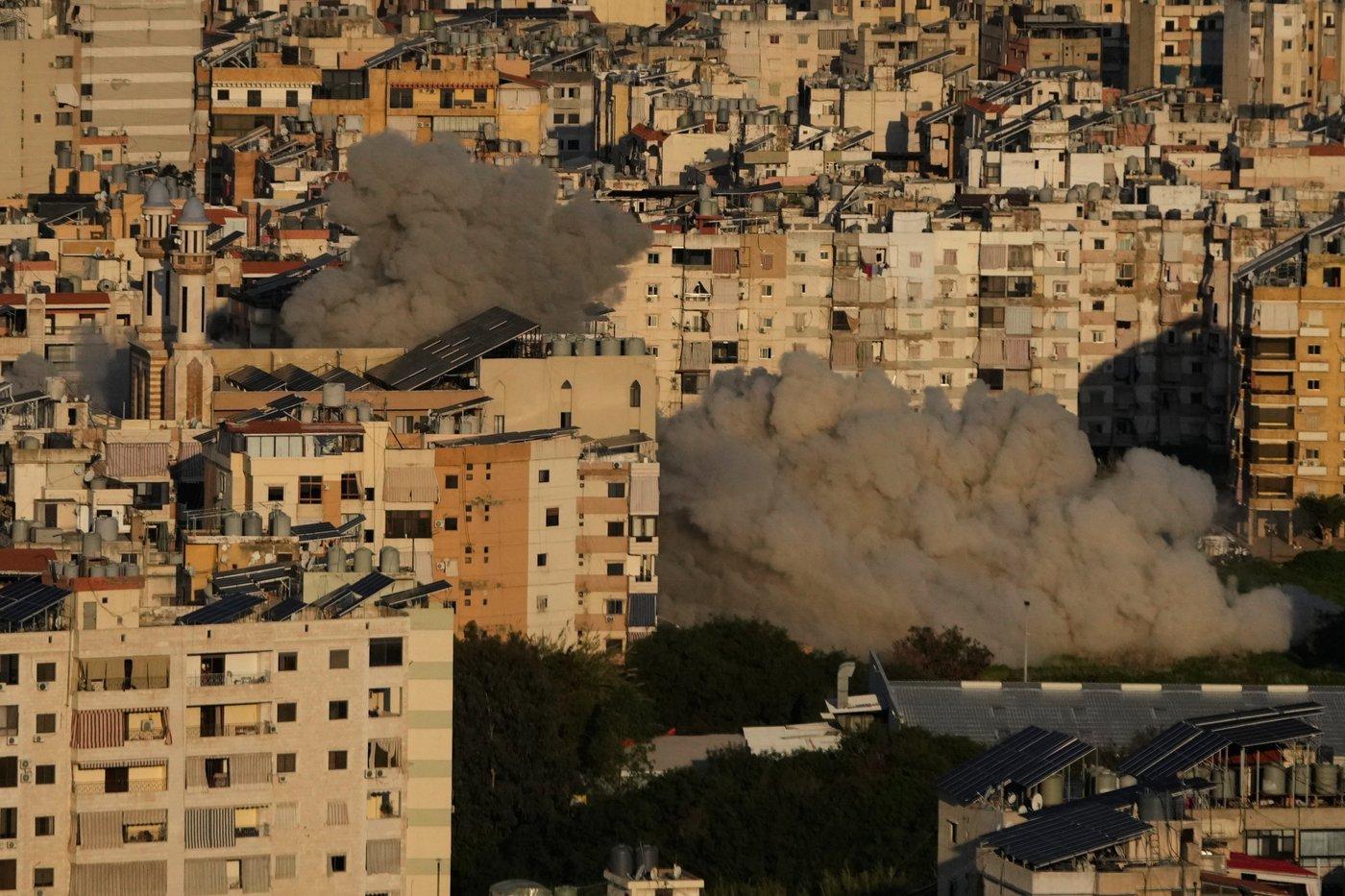
The embassy strikes occurred amid broader exchanges of force across the region. Outlets reported overnight strikes and aircraft over Tehran. U.S. and Israeli forces struck targets inside Iran.
“Overnight strikes also hit Tehran as U.S. and Israeli forces continued attacks following the reported killing of Iran’s Supreme Leader Ayatollah Ali Khamenei on Saturday. The conflict has entered its fourth day, with regular exchanges of fire since the weekend.”
Iran reported explosions near state media facilities. One West Asian outlet quoted Israel saying it had struck and dismantled an IRIB facility near the Evin district. Other reporting said the wider conflict had entered its fourth day with regular exchanges of fire.
Regional escalation impacts
Reporting indicates the escalation has spread across the region, affecting civilian infrastructure and maritime security; one outlet described strikes reported against energy facilities in Qatar and Saudi Arabia, damage near Amazon data centres in the UAE and Bahrain, and attacks on ships in the Strait of Hormuz, which Iran’s Revolutionary Guard warned it could close.
Local reporting also noted Iranian threats to shipping and a mass funeral in Minab for dozens killed in a separate attack, illustrating broader humanitarian and economic ripple effects.
Conflicting casualty and damage reports
Casualty and damage tallies differ across sources, and some claims are unverified.
“The Islamic Revolutionary Guard Corps (IRGC) claims that U.S. casualties have reached 650 killed and wounded during the ‘first’ [text incomplete].”
A fragment republished by an outlet relayed an IRGC claim that U.S. casualties had reached 650 killed and wounded but cautioned it lacked details and independent verification, while other reporting on the embassy strikes in Riyadh described limited material damage and no injuries, illustrating discrepancies between official or partisan claims and on-the-ground embassy reports.

Leaders' statements on campaign
Political leaders framed the campaign in strong terms while offering varying timeframes for its duration. An Israeli leader described the U.S.-Israeli operation as intended to be "quick and decisive" and not an "endless war."
President Donald Trump was quoted as saying the campaign could be "ahead of schedule," projected it might last four to five weeks (or longer), and warned retaliation would be announced "soon." Some outlets additionally reported Trump saying the campaign could be "relentless" and last more than a month, underscoring divergent public messaging about length and intensity.