Iran-Israel06 March, 20262 min read
Israel Pounds Tehran, Beirut With Broad-Scale Airstrikes
Israel launched broad-scale airstrikes on Tehran, other Iranian cities, and targets in Lebanon Strikes reportedly destroyed most of Iran's air defenses and missile launchers

Regional strikes and escalation
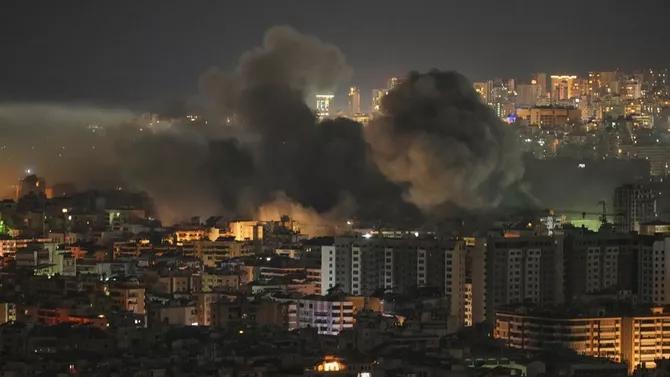
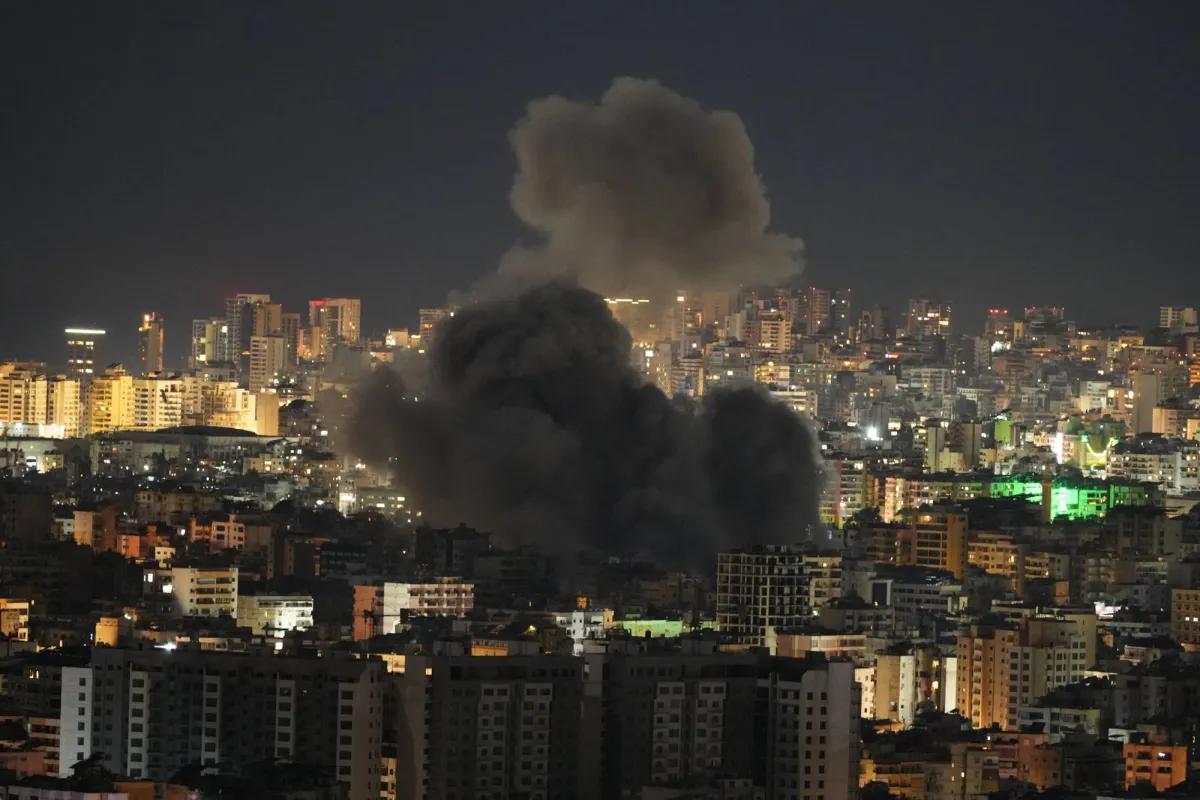
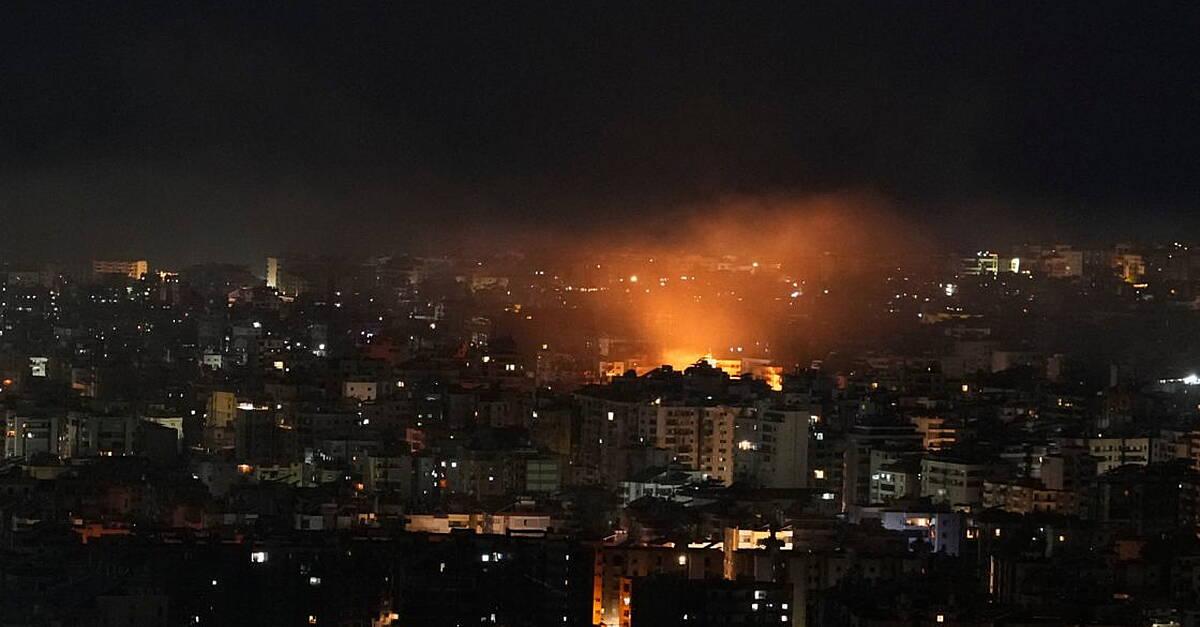
Israel launched what it described as a 'broad-scale wave of strikes' on Tehran and also carried out heavy attacks in Lebanon. Witnesses reported explosions in Tehran and near Kermanshah and intense strikes around southern Beirut as the weeklong conflict escalated across the region.
“Intense Israeli airstrikes hit Tehran and other Iranian cities (witnesses reported explosions in Tehran and Kermanshah) and renewed strikes continued in Lebanon, including southern Beirut suburbs, as the weeklong conflict escalated across the region.”
Multiple outlets described Israeli strikes hitting Iran's capital and additional strikes around Beirut that prompted evacuations and hospital clearances amid renewed fighting with Hezbollah. These actions were reported as part of an expanding campaign that raised fears of a wider regional war.
Strikes on Iranian targets
Israeli officials said the campaign degraded Iran's defensive and missile infrastructure.
They said much of Iran's air defenses and missile launchers were destroyed, and U.S. forces joined strikes targeting Iranian military capabilities.
U.S. Central Command released footage and said B-2 bombers hit buried ballistic-missile launchers and an Iranian 'Space Command.'
U.S. forces and partners also released imagery purporting to show the converted container ship IRIS Shahid Bagheri, described as an Iranian drone carrier, ablaze after a maritime strike.
Iran had not immediately acknowledged the carrier strike in several reports.
Regional attacks and casualties
Iran responded with missile and drone attacks that were reported toward Gulf states hosting U.S. forces. Those states included Kuwait, Qatar, Saudi Arabia and Bahrain. Several attempts were intercepted and there were no immediate casualty reports from those particular strikes.
“Iran responded with missile and drone attacks that struck Kuwait, Qatar, Saudi Arabia and Bahrain (all host U.S. forces); there were no immediate casualty reports from those strikes.”
Officials cited heavy overall casualties from the wider campaign. Officials across multiple outlets put regional death tolls at about 1,230 in Iran, more than 120 in Lebanon, roughly a dozen in Israel, and six U.S. troops killed. U.S. and allied forces continued to prepare for and conduct operations targeting Iranian maritime and missile capabilities.
Regional impacts and unverified strikes
The exchanges had wide regional effects, disrupting oil supplies and air travel. Civilians were evacuated and hospitals were emptied or cleared in some areas. UN peacekeepers reported seeing and hearing clashes as ground combat spread in parts of Lebanon.
Media noted uncorroborated claims circulating on social media about specific Iranian military sites being hit. Some reported strikes — including an alleged joint Israeli–U.S. hit on the Imam Ali Officers' Academy — remained unverified in the available reporting.
U.S. and Iran naval tensions
The United States has been directly involved in strikes and in bolstering regional defenses. U.S. officials warned the campaign could intensify, saying it struck the IRIS Shahid Bagheri at sea and releasing footage of it ablaze. Senior U.S. defense officials warned the bombardment was "about to surge dramatically."
“The U.S. military said it struck an Iranian drone carrier at sea, releasing footage of the vessel—identified as the IRIS Shahid Bagheri, a converted container ship with a long runway—ablaze. Iran had not immediately acknowledged the attack.”
Political leaders issued stark rhetoric and calls to action in public remarks. Iran accused the U.S. of sinking the frigate IRIS Dena, calling it an "atrocity at sea," while Sri Lanka reported rescuing dozens of crew. These developments underscore the warlike scope and high tensions of the weeks of exchanges.