Iran-Israel06 March, 20263 min read
Russia Provides Iran Intelligence to Target U.S. Forces
Russia provided Iran satellite-derived locations of U.S. troops, warships, and aircraft. U.S. officials say this intelligence could enable Iran to strike American personnel and assets.

Russia-Iran intelligence sharing
Multiple U.S. and allied outlets reported that U.S. officials have concluded Russia has shared targeting intelligence with Iran that could identify locations of American forces, ships and aircraft in the Middle East. UPI summarized this line of reporting, noting it was “cited by CNN, The Washington Post and NBC” and that it “says Russia has been sharing intelligence with Iran on American troops, ships and aircraft during recent U.S. and Israeli operations.”
“U.S. and allied reporting (cited by CNN, The Washington Post and NBC) says Russia has been sharing intelligence with Iran on American troops, ships and aircraft during recent U.S. and Israeli operations.”
AP News similarly reported that “U.S. officials, speaking anonymously, say Russia has shared intelligence with Iran that could help Tehran target American warships, aircraft and other assets in the region.” CNN described the material as “mainly satellite imagery of U.S. forces, ships and aircraft,” while noting uncertainty about whether specific attacks can be tied to that intelligence.

Reports of Russian targeting data
Sources describing what was shared point to imagery and location data pinpointing U.S. warships, aircraft and bases. Some officials characterised Moscow's help as extensive even as details remain murky. Ynetnews recounted coverage saying the paper reported Russia provided 'intelligence - reportedly including locations of U.S. warships and aircraft - to help Iran target U.S. assets,' and said sources called Moscow's assistance 'pretty comprehensive.'
The Jerusalem Post echoed that the Washington Post said Russia had been giving Iran targeting information 'including locations of U.S. warships and aircraft.' The Kyiv Independent noted the Post's reporting that unnamed officials described the support as 'comprehensive.'
Alleged targeting intelligence link
Analysts and officials tied the alleged intelligence-sharing to a sudden increase in the precision of Iranian strikes, which hit early‑warning radars and command‑and‑control nodes and, according to some, degraded U.S. tracking. NBC noted "precise hits on radar and command-and-control sites followed by drone swarms and ballistic missiles" and linked that pattern to intelligence and methods consistent with Russian practice.
“Analysts point out that Iran’s own satellite capabilities are limited; access to Russia’s larger satellite and intelligence network would give Tehran faster, more precise targeting and improved battle-damage assessment.”
UPI observed analysts saying the accuracy of recent strikes could be explained by outside intelligence, and Militarnyi warned the cooperation would be "especially valuable to Iran because Tehran has very limited military satellite coverage." United24 Media also said analysts and U.S. officials viewed the "precision and selection of Iranian targets (early‑warning radars, command‑and‑control nodes and other critical systems) [as] imply[ing] access to accurate targeting data."
Responses to reported Russian help
U.S. and international officials responded with caution, public denials and operational adjustments while stressing uncertainty. AP News reported that the Kremlin denied requests for Russian military help while refusing to confirm whether it provided intelligence. Radio Free Europe noted that Moscow has publicly called for a ceasefire and President Putin spoke with Iran’s president on March 6.
Multiple outlets said the White House and other U.S. spokespeople sought to minimise the immediate operational effect. Radio Free Europe quoted the White House saying Iranian forces were absolutely crushed.
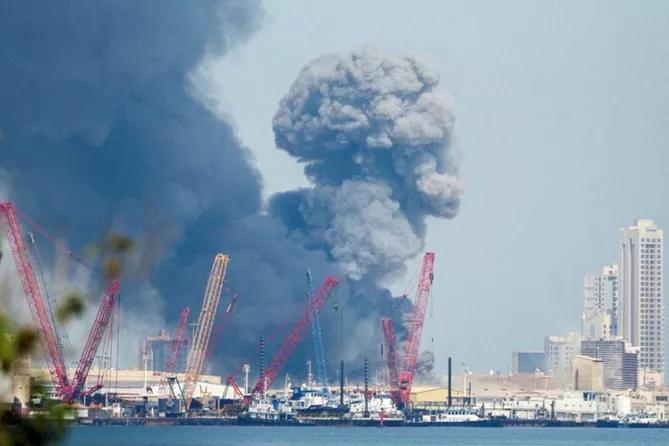
CNN reported the White House sought to minimize the report about Russian assistance while the Pentagon said it was tracking the information. Several outlets said U.S. intelligence agencies declined to comment publicly.
Outlets' cautions on unverified claims
Reporting across outlets repeatedly warned that the account remains unverified in key respects and that confirming attribution would be difficult, even as analysts emphasised the broader strategic implications if true. Caspianpost cautioned the story was "based on anonymous sources and not independently confirmed," and WION warned "many online claims are conflicting or unverified."
“A report, based on anonymous sources and not independently confirmed, alleges Russia may have given direct operational assistance to Iran to help locate and target U.S. military assets in the Middle East.”
Georgia Today and The Jerusalem Post framed the disclosure as a potential escalation. Georgia Today said officials "warn reports of growing Russia–Iran cooperation could mark a serious escalation and possible deeper strategic alignment," while The Jerusalem Post wrote that such aid "would mark a significant escalation by a major U.S. rival in the widening Iran–Gulf crisis."