Iran-Israel06 March, 20263 min read
US and Israel Intensify Airstrikes on Tehran, Hit Iranian Drone-Carrier Ship
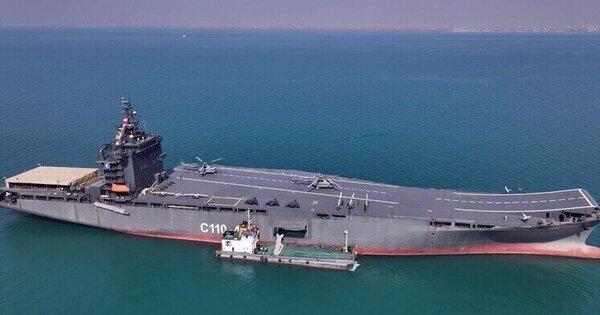
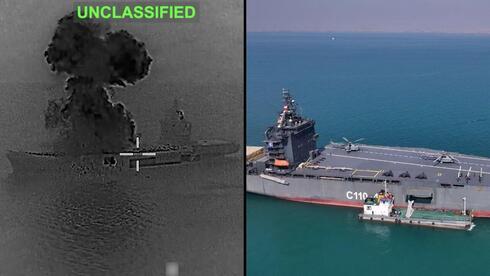
US forces struck an Iranian vessel described as a 'drone carrier', footage shows it ablaze. CENTCOM said the vessel was roughly the size of a World War II aircraft carrier.
US-Israel strikes in Iran
U.S. and Israeli forces have sharply escalated coordinated strikes inside Iran, hitting missile infrastructure, military sites and leadership across the country; several outlets report the joint campaign included the strike that killed Iran’s supreme leader. The BBC says the campaign began with coordinated US and Israeli strikes on 28 February that targeted 'missile infrastructure, military sites and leadership across the country' and that 'Iran’s supreme leader, Ayatollah Ali Khamenei, was killed in the initial attacks.' WION similarly states 'On March 1 it was confirmed that Iran’s Supreme Leader Ayatollah Ali Khamenei was killed in the joint strikes.'
“On March 1 it was confirmed that Iran’s Supreme Leader Ayatollah Ali Khamenei was killed in the joint strikes, along with several senior Iranian figures.”
Republic World ties the comments to 'a joint US–Israel strike on February 28 that killed Iran’s Supreme Leader Ayatollah Ali Khamenei and other senior figures.' ANI summarises that 'One earlier strike was reported to have killed Iran’s Supreme Leader Ayatollah Ali Khamenei and other senior figures (reported claim).'

US-Israeli air campaign
Washington has framed its campaign as an expanded, high-intensity operation dubbed Operation Epic Fury by the US and Operation Lion's Roar by Israel. It is said to have struck nearly 200 targets in a brief period. It has employed strategic assets such as B-2 and B-52 bombers.
ANI reports that Operation Epic Fury — a combined U.S.-Israeli campaign ordered expanded by President Trump — hit nearly 200 targets inside Iran in 72 hours. The Economic Times says CENTCOM posted that B-2 bombers recently dropped dozens of 2,000-lb penetrator bombs on deeply buried Iranian ballistic-missile launchers.
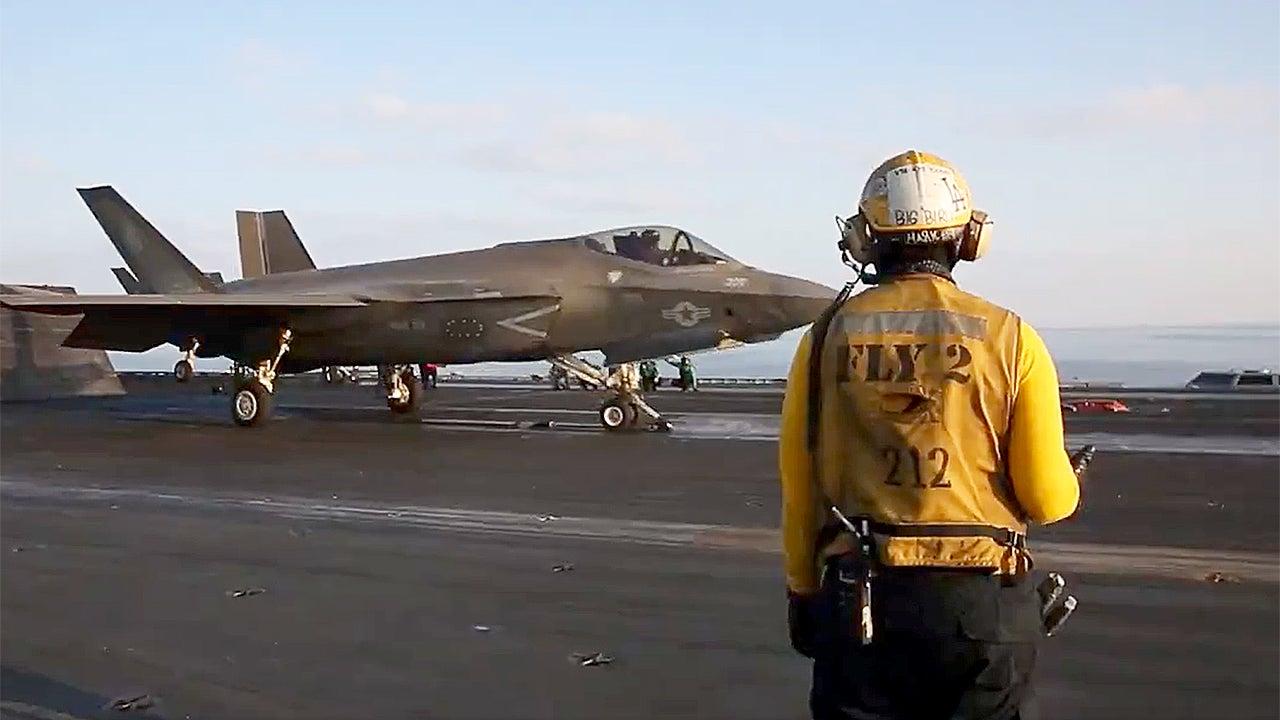
The Jerusalem Post describes CENTCOM's use of B-2 stealth bombers, B-52 Stratofortress bombers and carrier-based F/A-18s. WION notes the operation marks a sharp escalation following earlier confrontations.
Strike on Iranian drone carrier
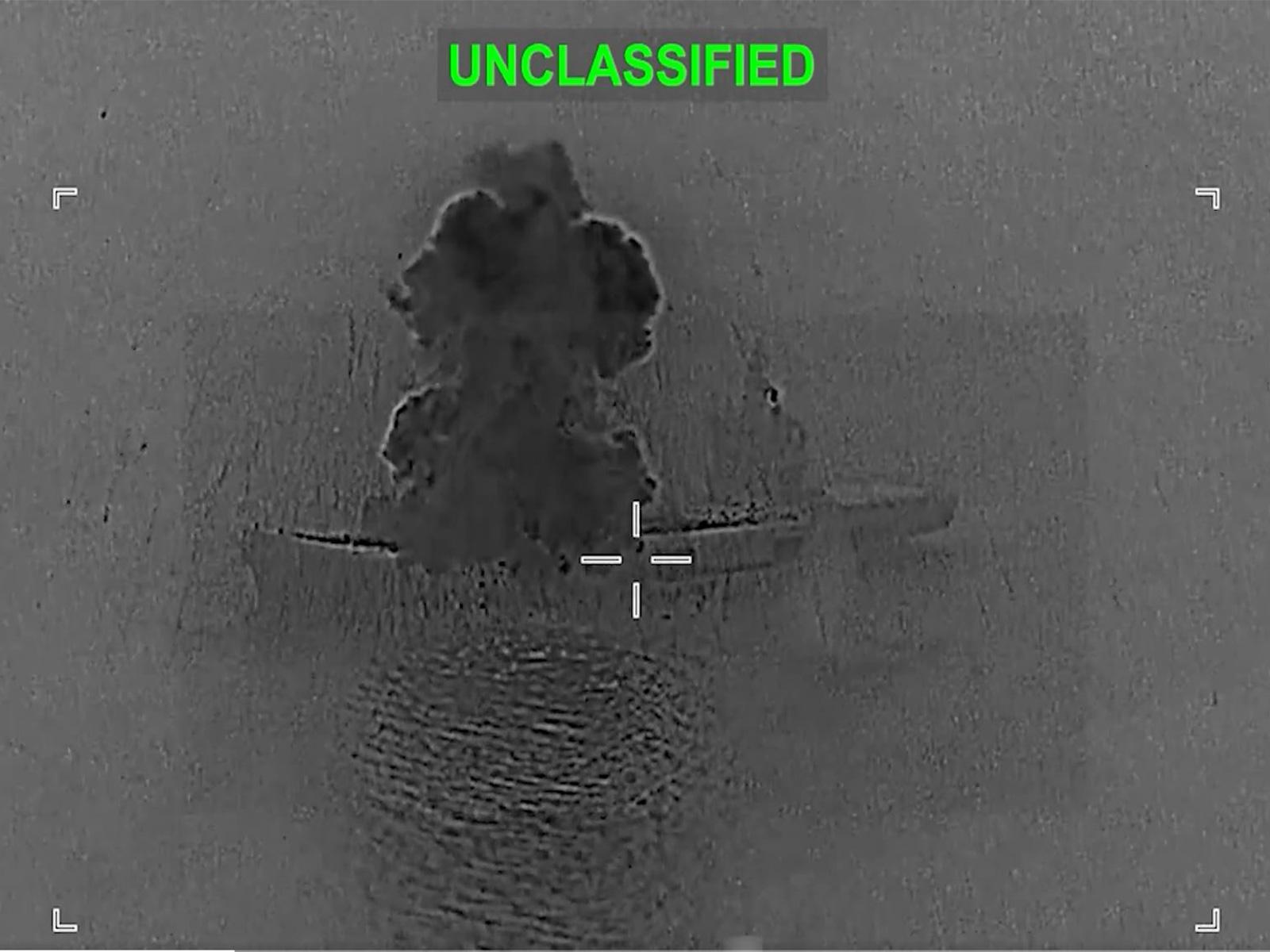
The U.S. struck an Iranian ship described by CENTCOM as a large drone carrier. Some reports identified the vessel as the IRIS Shahid Bagheri. CENTCOM released video showing explosions and flames and said the vessel was set ablaze during early strikes.
“CENTCOM released video showing two explosions aboard the IRIS Shahid Bagheri, which it said was struck and set alight during the first wave of Saturday strikes. CENTCOM described the vessel as an Iranian drone carrier 'roughly the size of a WWII aircraft carrier.' The Shahid Bagheri, a former container ship that joined the IRGC in 2025, reportedly has a 180‑metre runway built to operate surveillance and combat drones and helicopters, according to Press TV.”
MalaysiaSun relays that CENTCOM released video showing two explosions aboard the IRIS Shahid Bagheri and said it was struck and set alight during the first wave of Saturday strikes. The Economic Times reports CENTCOM posted footage showing the vessel engulfed in smoke and 'now on fire'. ANI likewise summarises that CENTCOM said U.S. forces struck an Iranian vessel described as a 'drone carrier' that was set ablaze after a maritime engagement and posted footage of the ship on fire.
U.S. use of captured drones
U.S. commanders said they have captured and reverse-engineered Iranian drone designs. U.S. commanders said they broadened campaign goals to degrade Iran's strike capabilities and its missile industrial base. Republic World reported that CENTCOM chief Michael Cooper described a captured Iranian drone design dubbed LUCAS that U.S. forces reverse-engineered and are reportedly using against Iranian forces.
ANI reported CENTCOM reverse-engineered a captured Iranian drone design called LUCAS for use in the campaign. The Economic Times said the campaign's objectives were broadened to "raze or level" Iran's ballistic-missile industrial base and to prevent reconstruction.
CENTCOM claimed the strikes have "sharply reduced Iran's strike capabilities" in recent days. BBC provided context on the wider escalation and reported Iranian retaliatory strikes across the Gulf and region.
Regional strikes and responses
The strikes have widened the conflict across the region and prompted mixed international responses and civilian harm, with governments mobilising assets while warning of economic and humanitarian fallout. Al Jazeera reports Israel "has escalated strikes on Lebanon, issuing evacuation warnings for southern Beirut suburbs and parts of the Bekaa Valley." WION documents regional human costs, saying Lebanon is reporting at least 123 dead and 638 wounded from recent Israeli strikes.
“Israel has escalated strikes on Lebanon, issuing evacuation warnings for southern Beirut suburbs and parts of the Bekaa Valley.”
The BBC highlights strikes and retaliations across Gulf states and civilian impacts, noting Iranian authorities' casualty counts. Republic World reports the US President urged Iranians to "stand up" and offered immunity and asylum to those who surrender or cooperate amid the escalating conflict.