Iran06 February, 20262 min read
Iran Swiftly Rebuilds Ballistic Missile Arsenal After US, Israeli Airstrikes, Satellite Imagery Shows
This article is an automated aggregation of coverage from news outlets. Our editorials offer in-depth analysis curated by the NewsCord team.
Iran rapidly repaired numerous ballistic missile facilities damaged by US and Israeli strikes last June Iran prioritized rebuilding missile sites while key nuclear facilities remain visibly unrepaired above ground
6 outlets told this the same way.
Outlets did split on Iran Reviews US Negotiation Proposals As Pakistan And Qatar Mediate Strait Of Hormuz Dispute →
Iran missile repairs update
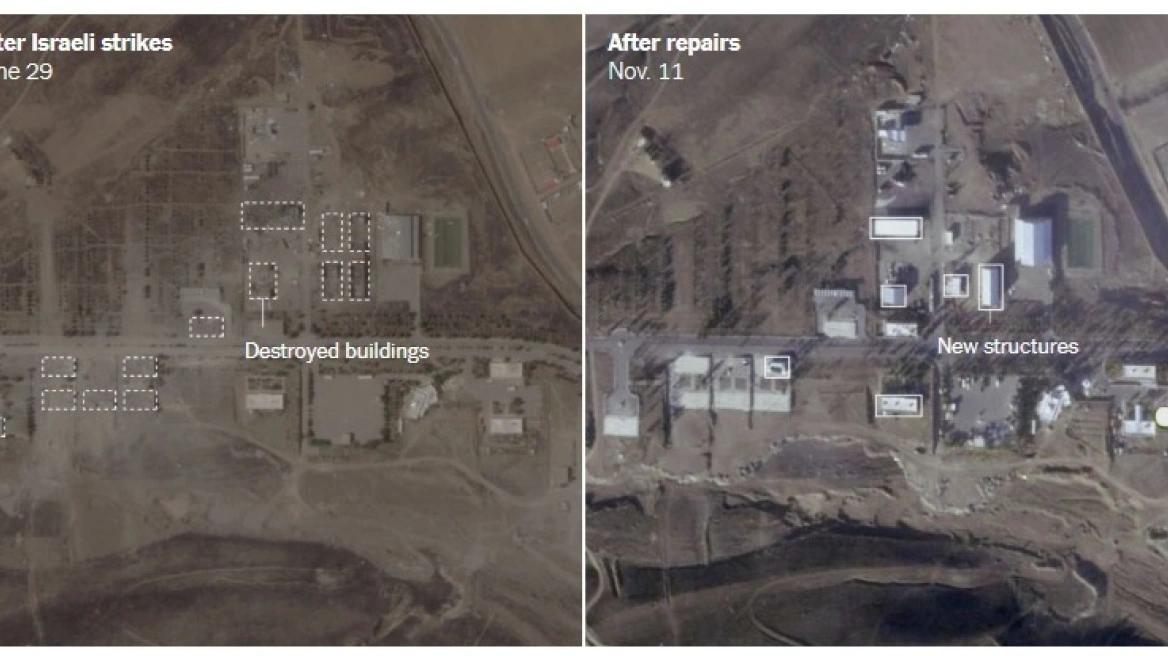
Satellite imagery and a New York Times analysis, as reported across outlets, show Iran moving quickly to repair many ballistic-missile facilities damaged in US and Israeli strikes during a 12-day war last June. Work is visible at over half of roughly two dozen targeted sites, while major nuclear sites like Isfahan, Natanz and Fordow remain largely out of commission. Analysts cited in the coverage describe this as a rapid, prioritized rebuild of missile infrastructure that has accelerated in recent months.
“Satellite imagery and a New York Times analysis show Iran is rapidly repairing more than a dozen ballistic-missile sites hit in US and Israeli strikes during a 12-day war last June.”
Iran missile site activity
Several outlets identify specific sites and physical signs of activity at Iran's missile facilities. Shahroud, described as Iran's largest and newest solid-propellant missile production plant, appears to have resumed operations.
At least a dozen missile production and test sites, including Parchin, show work moving them back toward operational status. Observers point to cleared roads, melted snow on roofs, and rebuilt halls as indicators of active reconstruction at these facilities.

Iran missile deterrence reporting
Analysts and officials quoted across the coverage interpret the prioritization as a deterrence strategy, with rebuilding missile capabilities meant to deter further strikes on nuclear sites and to threaten regional adversaries and U.S. assets.
“Analysts quoted in the report say Iran is rebuilding its missile forces to deter further strikes on its nuclear sites, threatening Israel and U.S. bases and allies in the region with missile attacks.”
Reports attribute this interpretation to expert sources rather than to Iran's stated policy, and some outlets emphasize links between the reconstruction, regional naval presence, and escalating security concerns.
Iran nuclear status overview
Coverage highlights the relative status of Iran’s nuclear infrastructure, with multiple reports saying major sites remain largely out of commission or are being stabilized more slowly. Firstpost uniquely notes Iran has erected large permanent roofs at Natanz and Isfahan, described as 'tactical blinds' that could hinder overhead surveillance by the IAEA and Western intelligence.
The Jerusalem Post and New York Post emphasize there are 'few signs' of major progress toward building a weapon. They also report that Iran rejected demands to stop enrichment in recent talks but offered to discuss the 'level and purity' of its enriched material.

Unclear missile restoration implications
Several outlets underline uncertainty about the program's overall scale and political context. Analysts say the program's full scale remains unclear and that reconstruction has accelerated in recent months.
“Iran has arrived at negotiations politically and economically weakened by large protests and a struggling economy, and its leaders have reportedly warned they would retaliate with ballistic missiles against Israel and U.S. assets if attacked, the Wall Street Journal added.”
Reporting links Tehran's choices to weakened domestic politics and economic strain, factors cited when assessing its negotiating posture and the risk of retaliation. Across sources, the picture is consistent that missile restoration is underway, but the ultimate implications for regional security and Iran's nuclear trajectory remain ambiguous.