
Iran Threatens Attacks on U.S. Soil After Operation Epic Fury, Mobilizes Sleeper Cells and Assassins
Key Takeaways
- Iran pledged retaliatory attacks against the United States.
- Iran-linked sleeper-cell networks and sympathizers are suspected to be mobilized on U.S. soil.
- U.S. authorities are alarmed and warning of potential reprisals on U.S. soil.
Risks after Operation Epic Fury
U.S. and Israeli strikes on Iran under "Operation Epic Fury" have prompted U.S. counterterrorism officials and homeland-security analysts to warn of an elevated risk of retaliatory attacks on American soil.
Officials' concerns center on activation of Iran-linked sleeper cells, mobilization of local sympathizers, and the use of assassins.
Homeland Security Today frames these strikes as raising "fears of retaliatory attacks inside the United States, including activation of Iran-linked sleeper cells and local sympathizers."
The Los Angeles Times reports federal officials "are warning of heightened risk to the U.S. after the Feb. 28 killing of Iran’s supreme leader, Ayatollah Ali Khamenei" and links the strikes and the leader’s killing to increased vigilance.
Iran proxy threats
Analysts point to Iran’s long-standing practice of using proxy groups and clandestine networks to carry out overseas operations, with the IRGC and Hezbollah specifically named as instruments for surveillance, target selection, and attacks, a capability that feeds fears of strikes or plots inside the U.S.
Homeland Security Today highlights Iran’s 'long-standing use of proxy groups such as the IRGC and Hezbollah to conduct overseas operations and maintain clandestine networks for surveillance, target selection, and attacks,' and notes U.S. agencies have previously flagged such methods in threat assessments.
The Los Angeles Times adds that reports of Iran trying to hire assassins to target American officials amplify concerns that Tehran or its proxies could retaliate via 'sleeper cells, affiliated terrorist groups, lone-wolf attackers or cyberattacks.'
U.S. intelligence threat history
U.S. intelligence and law-enforcement history inform present worries: CIA assessments and past disruption of Iran-linked plots demonstrate embedded networks and persistent plotting capabilities.
Homeland Security Today states that 'CIA assessments indicate these embedded cells have existed in the U.S. for years as contingencies awaiting orders,' and cites the 2011 IRGC-linked plot to kill the Saudi ambassador in Washington as a turning point for U.S. threat analysis.
The Los Angeles Times underscores that 'the FBI and DHS have been on heightened alert since Operation Epic Fury began Feb. 28,' reflecting institutional caution rooted in prior disruptions of Iran-backed plots.
Shortwave signal warnings
Authorities acted on indicators that raised concern among local and federal agencies, including a shortwave 'number station'-style broadcast that analysts told police could be an 'operational trigger' for clandestine recipients.
The Los Angeles Times reports a shortwave 'number station'-style broadcast using Persian and a string of numbers was detected and that a memo to police agencies urged heightened vigilance.
Preliminary signals analysis called the transmission 'likely of Iranian origin'.
Homeland Security Today cautions about Iran's clandestine capabilities and the potential activation of sleeper networks inside the U.S.
U.S. threat assessment
Officials stress that, despite elevated alerts and concerning indicators, investigators have so far not identified a credible, specific threat to U.S. soil, while continuing to monitor potential avenues of retaliation including lone actors and cyber operations.
The Los Angeles Times notes that "so far investigators say there is no credible, specific threat, but authorities view the situation as elevated and potentially volatile."
Homeland Security Today references ongoing disruptions of plots and longstanding contingency planning by Iran-linked networks that complicate assessments.
More on Iran
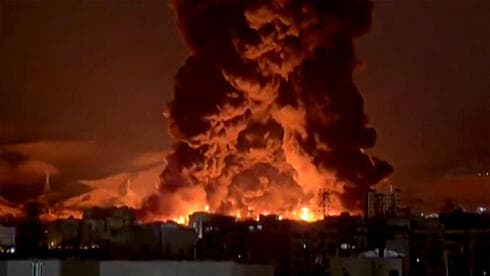
US obliterates military targets on Iran’s Kharg Island, Trump warns
13 sources compared
US Deploys About 2,500 Marines to Middle East After Iran Attacks Gulf Shipping
33 sources compared
FBI Warns of Iranian Drone Plot Based on Unverified Tip; California Says No Credible Threat
10 sources compared

White House Demands ABC Retract Report Claiming Iran Sought To Launch Drone Attacks On California
11 sources compared