
Iran Threatens Persian Gulf Water by Targeting Desalination Plants With Missiles and Drones
Key Takeaways
- Hundreds of Gulf desalination plants supplying millions lie within range of Iranian missiles and drones
- Analysts warn water, not oil, may be the resource most at risk from strikes
- Damage to desalination plants could leave major Gulf cities without potable water
Desalination under threat
The Boston Globe reports that missiles and drones tied to the Iran war are already curtailing energy production across the Persian Gulf and analysts warn that water, not oil, may be the resource most at risk in the energy-rich but arid region.
“As missiles and drones curtail energy production across the Persian Gulf, analysts warn that water, not oil, may be the resource most at risk in the energy-rich but arid region”
The article says “hundreds of desalination plants sit along the Persian Gulf coast, putting individual systems that supply water to millions within range of Iranian missile or drone strikes,” and warns that “but the infrastructure that keeps Gulf cities supplied with drinking water may be equally vulnerable.”
This positions desalination infrastructure as a direct target with the potential to disrupt urban water supplies across the Gulf.
Dependency on desalination
The Globe highlights how dependent Gulf states are on desalination to sustain populations: in Kuwait about 90% of drinking water comes from desalination, roughly 86% in Oman and about 70% in Saudi Arabia.
The piece stresses that “without them, major cities could not sustain their current populations,” underscoring the humanitarian stakes if coastal plants are damaged.
Analyst Michael Christopher Low is quoted describing the region as “saltwater kingdoms” and calling desalination a “manmade fossil-fueled water superpower,” framing desalination as both an achievement and a vulnerability.
Technical vulnerability explained
The article explains the technical basis for that vulnerability: most Gulf desalination uses reverse osmosis, which “removes salt from seawater — most commonly by pushing it through ultra-fine membranes” to produce freshwater that sustains cities, hotels, industry and some agriculture.
“As missiles and drones curtail energy production across the Persian Gulf, analysts warn that water, not oil, may be the resource most at risk in the energy-rich but arid region”
Because plants are concentrated along the coast, a strike on physical infrastructure or on the power and fuel supplies that run the facilities could quickly cut potable water access for large populations.
The Globe calls the system “both a monumental achievement of the 20th century and a certain kind of vulnerability.”
Regional economic context
The Globe also situates the water threat within wider economic and security disruptions from the Iran war: it notes that for many outside the Middle East the main concern has been energy prices, since “the Gulf produces about a third of the world’s crude exports and energy revenues underpin national economies.”
The piece says fighting has already “halted tanker traffic through key shipping routes and disrupted port activity, forcing some producers to curb exports as storage tanks fill,” suggesting that attacks on desalination would add a critical humanitarian dimension to already severe economic impacts.
The article references the outbreak of war beginning Feb. 28 and implies early signs of risk to infrastructure.
More on Iran
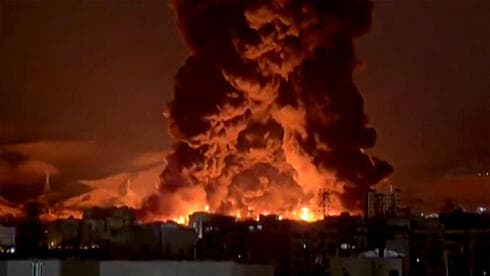
US obliterates military targets on Iran’s Kharg Island, Trump warns
13 sources compared

US Deploys About 2,500 Marines to Middle East After Iran Attacks Gulf Shipping
33 sources compared
FBI Warns of Iranian Drone Plot Based on Unverified Tip; California Says No Credible Threat
10 sources compared

White House Demands ABC Retract Report Claiming Iran Sought To Launch Drone Attacks On California
11 sources compared