
Iran Threatens Ships in Strait of Hormuz With Naval Mines and Suicide Drones
Key Takeaways
- U.S. intelligence identifies at least ten Iranian naval mines in the Strait of Hormuz.
- Iranian mines and suicide drones threaten shipping through the Strait of Hormuz.
- Counts of mines vary: at least ten to a dozen identified.
Mines and escort risk
Commercial ships are reluctant to traverse the Strait of Hormuz even with a US military escort because of the “high” safety risk Iran’s suicide drones and naval mines pose, experts told the New York Post.
“Again, the dilemma of naval mines in the depths of the Strait of Hormuz surfaces, described by The Telegraph as a dangerous strategic gap in American military planning, caused by underestimating the reality of the advanced mines Iran planted after the start of the US-Israeli war 83 days ago”
The Post said the US moved to take control of the waterway through “Operation Freedom,” but the mission lasted less than two days with two American ships sailing through before President Trump halted the operation in favor of diplomacy.

The Post also reported that Iran has repeatedly threatened to attack any ship that tries to cross the strait, and it quoted retired Rear Adm. Mark Montgomery warning that “The American people would not be happy if Iran actually hit one of our native ships doing this.”
In the same reporting, the Post said the challenge for the US is that “what the US Navy accepts is risk to send ships through tends to be different than what the merchant ships do,” as escort missions would remove the distance advantage against Iranian drones.
At least 10 mines
US intelligence identified at least 10 Iranian mines in the Strait of Hormuz, CBS News reported on Wednesday citing US officials with knowledge of the matter, and the figure reflected “the most recent military mapping of the strategic waterway.”
The Jerusalem Post said the US Navy has spent weeks clearing a route in the strait meant for safe passage of commercial ships, and it added that the US warned transiting the normal route could be “extremely hazardous” due to mines laid by Tehran.
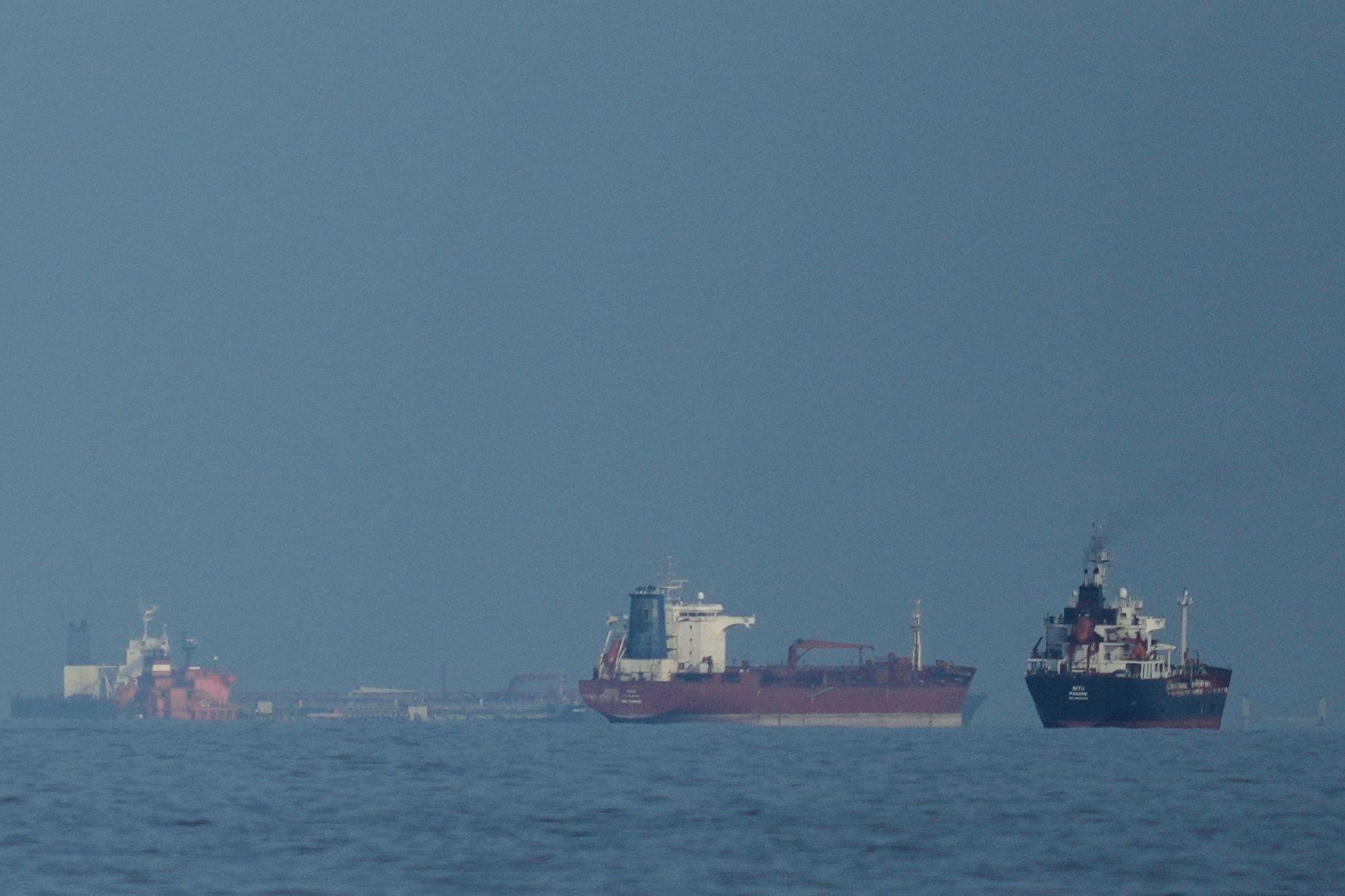
The i24NEWS report said the Pentagon displayed a graphic indicating Iran laid new mines in the strait on April 23, and it described the latest assessment as coming as Trump paused a planned strike on Iran citing “serious negotiations.”
In the same i24NEWS account, the report said Iran announced it was working with Oman to create a joint “mechanism” to control traffic through the strait’s shipping lanes, as the intelligence assessment unfolded against a tense diplomatic backdrop.
Mine-clearing timeline and stakes
The i24NEWS and other reporting framed mine-clearing as a time-consuming, high-risk task, with the New York Post describing the need for continuous air defense operations, surveillance, mine countermeasure missions, electronic warfare support and sustained naval deployments under persistent drone and missile attacks.
The New York Post quoted BIMCO saying “a mine clearance effort will most likely be needed to fully re-open the Strait,” and it said BIMCO added that it is likely to take “several weeks.”
In a separate account, the Al-Jazeera Net report said military estimates suggest clearing a small minefield may take between 21 and 53 days, while cleansing hundreds of mines could take months, and it cited the Telegraph reporting Pentagon officials told Congress that removal could take up to six months.
The stakes were described in energy terms in i24NEWS, which said before the conflict began roughly 20 percent of global oil, or some 15 million barrels of crude per day, flowed through the strait, and it added that disruption drove up energy costs with the average price of a gallon of gasoline in the United States now at $4.50, up more than $1.50 since the war began.
More on Iran

Iran Condemns Donald Trump’s One Shot Threat Against Ali Khamenei Funeral Leaders
11 sources compared
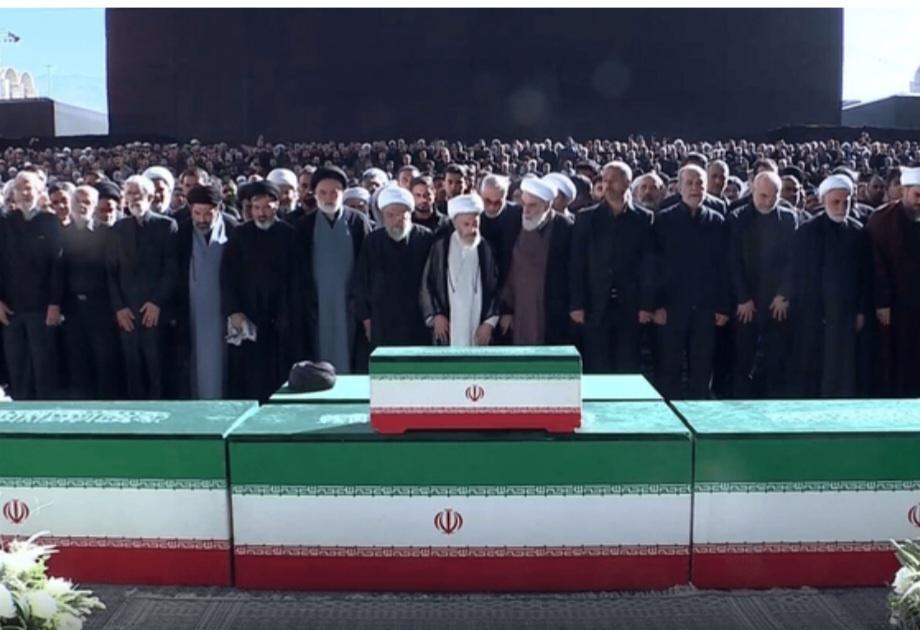
Iran Holds Week Of Ceremonies For Ayatollah Ali Khamenei Funeral In Tehran After US-Israeli Airstrike
12 sources compared

Emmanuel Macron Expected To Visit Damascus To Reinforce Economic Cooperation With Syria
24 sources compared

Trump Tells Axios Netanyahu Knows Who the Boss Is Ahead of White House Meeting
18 sources compared