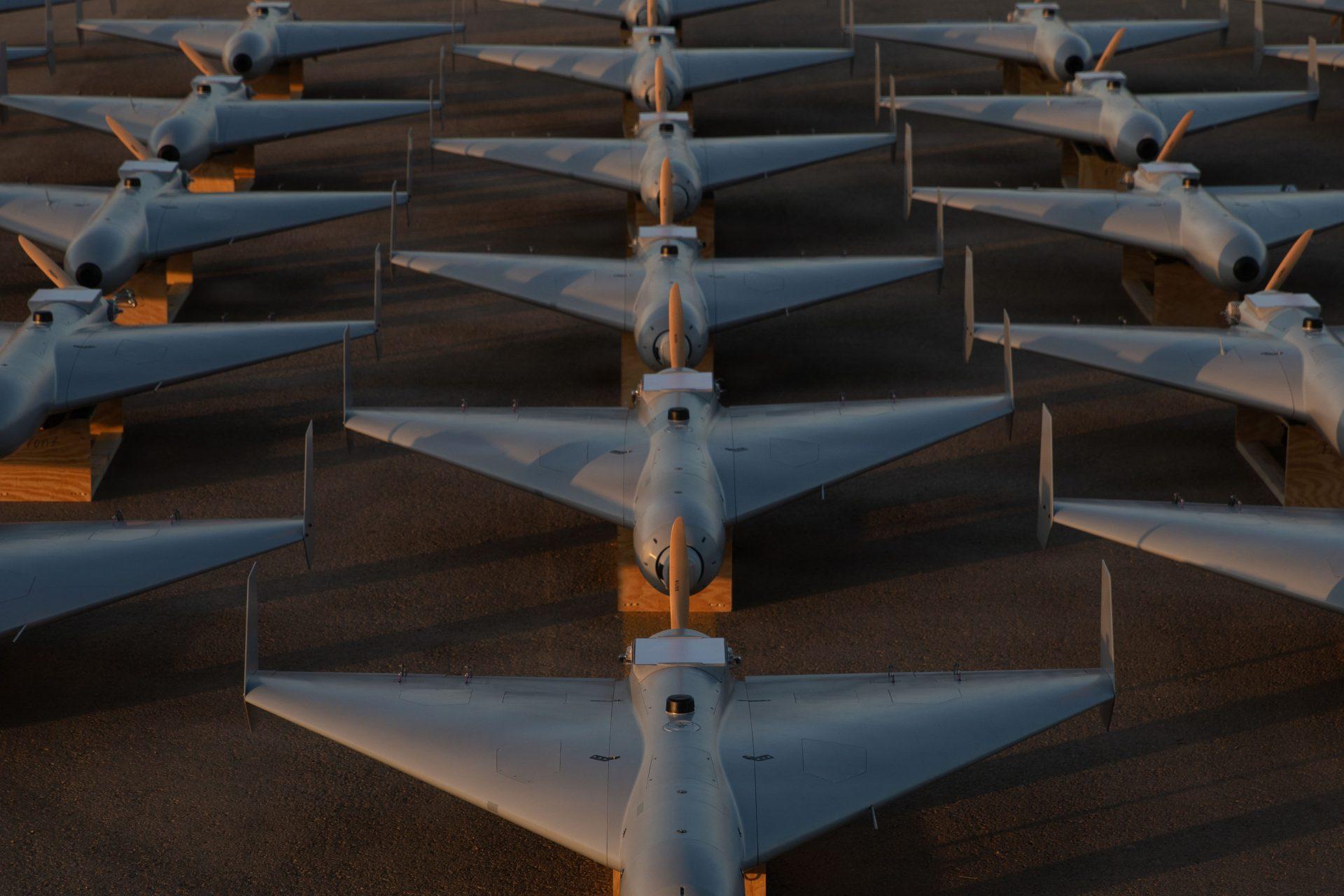
US Intelligence Says Iran Rebuilt Drone Production Faster Than Expected During April Ceasefire
Key Takeaways
- US intelligence says Iran restarted drone production during the six-week ceasefire, faster than expected.
- Iran's drone production network resumed, signaling rapid rebuilding of its military-industrial base.
- Multiple sources familiar with U.S. intelligence corroborate rapid drone program rebuilding.
Faster Drone Rebuild
U.S. intelligence assessments cited by CNN say Iran is rebuilding parts of its military infrastructure faster than Washington initially expected, including restarting some drone production during the six-week ceasefire that began in early April.
“CNN's Zachary Cohen joins CNN News Central with his reporting with Natasha Bertrand on Iran's effort to rebuild its military capabilities”
A U.S. official told CNN that "The Iranians have exceeded all timelines the IC had for reconstitution," as intelligence officials reportedly believe Iran could restore portions of its drone attack capability within six months.

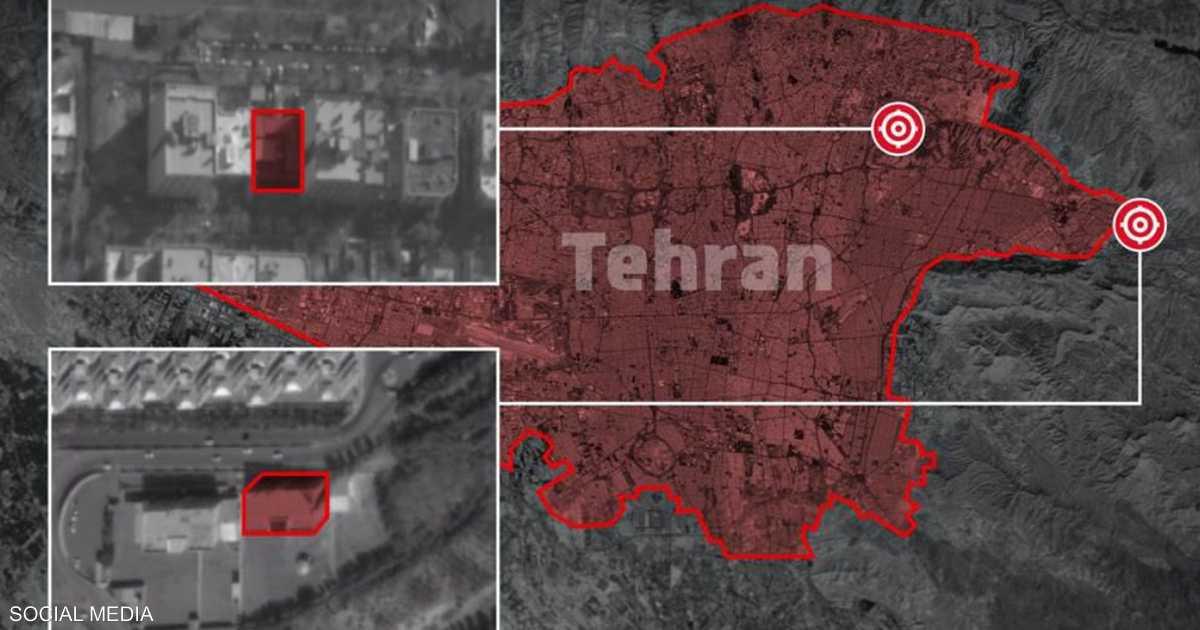
The assessments also complicate U.S. and Israeli strike claims, with Adm. Brad Cooper telling Congress that Operation Epic Fury "significantly degraded Iran's ballistic missiles and drones while destroying 90% of their defense industrial base, ensuring Iran cannot reconstitute for years."
CNN reported that updated estimates place the survival of Iran’s missile launchers closer to two-thirds, after earlier assessments had put the figure at around 50%.
The rebuilding pace is framed as a potential factor if negotiations break down and military operations resume, with CNN reporting that Tehran still maintains thousands of drones, roughly half of its pre-war UAV inventory, along with portions of its maritime cruise missile capability.
Talks Via Pakistan
As U.S. intelligence assessments focus on Iran’s recovery, Reuters reported that a Pakistani source shared with the U.S. a revised proposal from Iran to end the conflict, while peace talks appeared to remain stalled.
The Pakistani source told Reuters, "We don't have much time," adding that both countries "keep changing their goalposts," when asked if it would take time to close gaps.
Iran’s Foreign Ministry spokesperson Esmaeil Baghaei confirmed that Tehran’s views had been "conveyed to the American side through mediator Pakistan," according to Reuters.
The same reporting placed the ceasefire context around April, describing a two-week ceasefire effort and subsequent developments in which talks in Islamabad failed to produce a lasting agreement.
In parallel, CNN’s reporting on the rebuilding timeline described a six-week ceasefire that began in early April, with Iran restarting parts of its drone production network just weeks after fighting paused.
What’s at Risk Next
U.S. officials and intelligence assessments in the reporting frame the stakes as whether Iran can quickly reconstitute capabilities, with CNN reporting that some sources dispute Cooper’s timeline and say some manufacturing capacity may be restored within months rather than a year.
“US intel says Iran recovering military capabilities much faster than expected Early assessments after the war suggested Tehran would take years to restore major capabilities damaged in the US-Israeli bombing campaign”
The DefenseScoop report adds a concrete operational angle, saying the Pentagon selected Shield AI to integrate swarm technology onto the Low-Cost Uncrewed Combat Attack System (LUCAS), a one-way attack drone the U.S. military cloned from an Iranian variant.
Shield AI said its Hivemind software will "serve as the AI pilot for the LUCAS program," enabling groups of drones to coordinate, maneuver, and adapt together in real time.
In the political arena, the reporting also describes U.S. Senate scrutiny of the legal basis for striking Iran, with Senator Tim Kaine of Virginia saying, "We were asked to fund a budget of 1.5 trillion dollars, but we asked the Department of Justice to justify the Office of Legal Counsel's opinion on this war."
Meanwhile, the Middle East Monitor report linked the rapid recovery assessments to regional threat concerns, warning that Iran could still pose a major threat to regional allies if President Donald Trump decides to resume military operations.
More on Iran
Hikmat Al-Hijri Demands Accountability, Rejects Negotiation Over July 2025 Truce Violations in Suwayda
11 sources compared

Iran Threatens Ships in Strait of Hormuz With Naval Mines and Suicide Drones
10 sources compared

Maria Zakharova Says Russia Will Help Iran And U.S. Implement Enriched Uranium Agreements
20 sources compared
Trump Says U.S. Opposes Strait of Hormuz Tolls, Vows To Retrieve Iran Uranium
27 sources compared