1News
1NewsInternet blackout in Iran as protesters heed exiled prince's call
 9News.au
Street protests erupt in Tehran as nationwide anti-government turmoil spreads
 Aaj English TV
Trump briefed on military options for Iran, as protests continue: US media reports
 ABC
ABCIran warns US troops and Israel will be targets if America strikes over protests
 ABC7 Los Angeles
Iran protests: Death toll in crackdown on demonstrations spikes to at least 538, activists say
 abcnews.go
Iran supreme leader signals crackdown coming as protesters are 'ruining their own streets' for Trump
 Al Jazeera
Iran’s army pledges to defend national interests after US backs protesters
 Al Jazeera
Trump will not meet Iran’s ‘Crown Prince’ Pahlavi as protests intensify
 Al Jazeera
Iran warns US it will retaliate against any attack
 Al-Jazeera Net
Khamenei accuses "rioters" of vandalizing public property and threatens "mercenaries".
 albawaba
Israel is ready for a new round of war with Iran
 Algemeiner
Iran Shuts Off Internet as Anti-Regime Protests Intensify Across Country
 AnewZ
AnewZU.S. carries out Syria airstrikes as Trump weighs Iran strike options
 ANI News
As protests rage, NYT report says 'Trump briefed on military options of targeting Iran'
 Asharq Al-awsat - English
Iran Warns US Troops, Israel Will Be Targets if America Strikes
 Asianet Newsable
5 Clear Signs America Will Strike Iran Amid Worsening Anti‑Government Protests & Rising Regional Tensions
 Asianet Newsable
Iran Protests Escalate Into 12th Day: Government Buildings Set Ablaze Amid Internet Blackout
 Associated Press
Iran warns against US strikes as activists say protest death toll reaches 203
 Australian Broadcasting Corporation
Over 40 reported dead in Iran protests amid nationwide internet blackout
 Azat TV
Iran Protests Escalate Amid Internet Blackout: Calls for Regime Change, Casualties Reported
 BBC
BBCMore demonstrations erupt in Iran as rights groups say at least 48 protesters killed
 BBC
BBCHuge anti-government protests in Tehran and other Iranian cities, videos show
 BBC
BBCHuge anti-government protests in Tehran and other Iranian cities, videos show
 BBC
BBCReza Pahlavi, exiled son of Iran's last shah, at centre of protest chants
 BBC
BBCIran protests: 'People are more angry and determined now'
 BBC
BBCIran warns it will retaliate if US attacks as protesters defy crackdown
 bgnes
bgnesHow the Revolutionary Guard Took Over Iran’s Economy and Triggered the Currency Collapse
 Brisbane Times
Trump briefed on military options for Iran, as death toll rises to 116
 Business Standard
Violence in Iran protests kills 116 as demonstrations enter third week
 CatholicVote org
Iran plunges into internet blackout as protests intensify and Trump threatens military action
 CBC
CBCIranian official warns against U.S. strikes as activists say protest death toll reaches 203
 CBC
CBCInternet access and telephone lines cut out after protests erupt in Iran
 CBS News
Iran leader vows regime will "not back down" and says vandals trying to please Trump as web blackout continues
 CBS News
Iranian protests rage as deaths mount and Trump renews warning of possible U.S. intervention
 CBS News
Internet service in Iran cut off or restricted as deadly protests reach a possible tipping point
 Center for Human Rights in Iran
Grave Concern That State Massacre of Protesters is Underway in Iran Amid Internet Blackout
 China Daily
Trump briefed on options for military strikes in Iran: NYT
 CNN
CNNLive updates: Anti-government protests spread in Iran as authorities cut communications
 CNN
CNNLatest on the Trump administration as thousands take part in anti-ICE protests - updates | CNN Politics
 CNN
CNNTrump weighs potential military intervention in Iran
 CNN
CNNProtesters march across Iran Thursday with large crowds in capital
 CNN
CNNLive updates: Iran protesters defy crackdown amid ongoing internet blackout
 Daijiworld
Iran protests turn deadly; over 116 killed as crackdown intensifies, Trump warns of action
 Daijiworld
Iran judiciary issues stern crackdown warning as protests escalate nationwide
 Daily Kos
Day 13 of the Iranian Revolution -- Regime Collapse Now Underway
 Daily Mail
Is Iranian regime about to collapse? Huge crowds scream 'death to the dictator' as deadly riots spread across the country and Trump warns rulers will be 'hit hard' if they kill protesters
 Daily Mail
Trump is 'preparing to STRIKE Iran as he is briefed on multiple options for attacking the country'... as Islamic Republic has promised to hit back
 Daily Pakistan
US forces prepare for possible Iran Strike as tensions reach Boiling Point
 Daily Post Nigeria
Iran shuts down internet, disables phone lines as protest spreads
 Decrypt
Iran’s Internet Traffic Drops to 'Near Zero' as Protests Intensify
 Decrypt
Iran’s Internet Traffic Drops to 'Near Zero' as Protests Intensify
 Devdiscourse
Protests erupt in Iran's capital after exiled prince's call; internet cuts out soon after
 DW
DWIran: Ayatollah warns regime 'won't back down' amid protests
 EA WorldView
Iran Authorities Cut Internet Amid Mass Protests In Cities
 English Bombay Samachar
Iran Plunges Into Internet Blackout After Exiled Crown Prince Reza Pahlavi’s Anti-Khamenei Protest Call Sparks Nationwide Unrest
 EurAsian Times
1979-Like Revolution Erupts In Iran! “Pahlavi Will Return” Slogans Rock Streets; Is Mullah Regime Collapsing?
 Euronews
Iranian protests escalate as authorities cut internet amid crackdown
 Firstpost
Iran Protests Live Updates: US 'stands by’ Iranian people, says Vance as protesters torch govt buildings
 Fox News
Exiled Iranian crown prince urges Trump to help as protests against Islamic regime intensify: 'Man of peace'
 Fox News
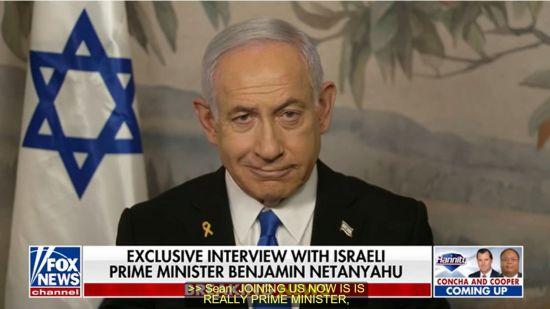
Netanyahu and Rubio discuss US military intervention in Iran amid ongoing nationwide protests: report
 France 24
Anti-government protests spread in Iran: Supreme Leader warns protesters
 Global News
Iran unrest widens as government shuts off internet, protesters start fires
 Global Village Space
Iran leader says protesters are vandals trying to please Trump
 Greeley Tribune
Iran judiciary chief vows there will be ‘decisive’ punishment for protesters
 Gulf News
Escalating threats, spreading protests and rising regional alert levels as Washington weighs options on Iran
 Haaretz
Iranians Reportedly Say Regime Has Killed More Than 200 Protesters Using Live Fire
 Haaretz
Trump Threatens U.S. Intervention in Iran as Protest Death Toll Reportedly Hits 45
 Hindustan Times
Iran protests Live Updates: Attorney General warns of 'enemy of god' charge with death penalty as stir intensifies | World News
 Hindustan Times
Who is Reza Pahlavi, Iran's exiled prince whose call charged anti-Khamenei protest? | World News
 Hindustan Times
Iran protest sees massive escalation, nationwide internet cut as exiled prince's war cry | World News
 i24NEWS
Iran Threatens Retaliation Against Israel, US Bases If Washington Intervenes
 Il Sole 24 ORE
Iran, blood over protests. Trump weighs attack options. Pezeshkian: US and Israel sow chaos
 Inbox.lv
Iran Threatens To Retaliate Against U.S. As Trump Considers Strikes
 India Today
US to strike Iran? Trump says ready to help amid brutal crackdown on protesters
 India Today
Iran Protests Live: Deaths in nationwide unrest cross 200 amid crackdown on demonstrators
 India Today
Internet blackout across Iran after exiled prince's anti-Khamenei protest call
 Irish Examiner
Iran escalates threat against protesters
 Jagonews24
Iran protests escalate as death toll rises, internet access cut
 Khaleej Times
Iran warns Washington it will retaliate against any attack with strikes on Israel, US bases
 Kyiv Post
Protests Swell as Iran Said to Deploy Foreign Forces, Trump Briefed on Action
 L'Unione Sarda.it
Protests in Iran leave more than 100 dead and 2,600 arrested. Tehran: "If the US attacks, we will target their bases."
 LatestLY
World News | As Protests Rage, NYT Report Says 'Trump Briefed on Military Options of Targeting Iran'
 LIGA.net
Reuters: Netanyahu, Rubio discuss possible US intervention in Iran
 Live India
US Weighs Military Options As Iran Tensions Rise
 livemint
Iran Protests LIVE: Amid Trump's 'ready to help' signal, Prez Pezeshkian makes bold claim- ‘US, Israel ordering rioters'
 livemint
Who is Reza Pahlavi? As Iran protests intensify, exiled crown prince pushes for larger crowd against Ayatollah Khamenei
 lnginnorthernbc.ca
The protests in Iran intensify with more than 40 deaths in the country's 31 provinces | International
 lnginnorthernbc.ca
Protests take over Iran in the opposition's biggest show of force in years; country has internet 'blackout'
 Luxembourg Times
Iran shuts down internet in crackdown on escalating protests
 Mathrubhumi English
Will Trump strike Iran as protests turn deadly and Israel goes on high alert?
 Mathrubhumi English
Will Trump strike Iran as protests turn deadly and Israel goes on high alert?
 mezha.net
Iran Protests Escalate Amid Economic Crisis and Government Crackdown
 Mid-day
Iran protests enter third week as death toll rises to at least 116, activists say
 middle-east-online
Iran threatens retaliation against US strikes as Israel goes on high alert
 Minute Mirror
Possible US attack on Iran under discussion, NYT
 MM News
Is Iran on the brink of civil war?
 Moneycontrol
'If they start killing people, we’ll hit them very hard': Trump issues stark warning as Iran protests...
 Moneycontrol
Iran goes dark online as protests hit day 12, deaths mount and Trump warns Tehran: 'We’ll hit them very...
 Moneycontrol
Israel on high alert amid reports of possible US intervention in Iran as protests intensify
 myind.net
Iranian regime shuts down internet as nationwide protests intensify
 MyJoyOnline
Huge anti-government protests in Tehran and other Iranian cities, videos show
 National Council of Resistance of Iran - NCRI
Iran News in Brief – January 9, 2026
 NBC News
Iran shut off from the world as regime struggles to contain escalating unrest
 NBC News
Trump weighs preliminary plans for action on Iran as protests face violent crackdown
 NBC News
Violent crackdown in Iran as Trump warns regime 'we'll start shooting' if more protesters are killed
 NDTV
NDTV"Death To Dictator, Death To Islamic Republic": Fresh Protests In Iran
 NDTV
NDTVVideo | Iran Protest News | Iran Protests Escalate Nationwide Amid Economic Crisis and Rising Death Toll
 NDTV
NDTVVideo | Anti-Khamenei Protests Intensify In Iran, Exiled Prince Reza Pahlavi Gives Rallying Cry
 news.cgtn
Trump briefed on military strike options against Iran, U.S. officials say
 News18
Israel On High Alert For Possibility Of US Intervention In Iran: Reports
 news24online
Iran Protests Highlights: Reza Pahlavi urges Trump to intervene as protests intensify, says 'Mr President...'
 News9live
Iran protests escalate as demonstrators tear down national flag, govt imposes internet blackout
 Newser
Trump Briefed on Options Against Iran, Including Strikes
 Newsweek
Iran Warns of Retaliation as Trump Weighs Military Options
 Newsweek
Trump Warns Cuba: ‘Zero' Oil or Money in Stark Ultimatum
 NewsX
NewsXWhat Is Iran’s ‘Kill Switch’? All You Need To Know About The Cold War Era Tool As Anti-Khamenei Protests Enter Second Week, Killing 116
 NPR
NPRIran warns US troops and Israel will be targets if America strikes over protests as death toll rises
 nzherald.co.nz
Iran protests swell as hundreds of thousands defy regime amid deadly crackdown
 orissapost
‘Will be treated as enemies of God’: Iran’s attorney general warns protesters
 PBS
PBSIranian government threatens further crackdown as protests grow
 Peoples Gazette Nigeria
Iran’s supreme leader accuses protesters of ‘ruining their streets’ to please Trump
 PhotoNews Pakistan
Iran Faces Near-Total Internet Blackout Amid Nationwide Economic Protests
 pragativadi
Iran Protests Escalate Nationwide as Internet Shutdown Deepens Standoff With Clerical Leadership
 PressTV
Leader: Iran will not back down against vandals seeking to please Washington
 ProtoThema English
Uprising against the Mullahs in Iran: Large protests, citizen drives car into Police, the country without internet
 ProtoThema English
Trump “weighs” a strike on Iran: Military not ready, fears of retaliation – "Foreign terrorists" kill civilians & burn mosques, Pezeshkian says
 Radio Free Europe/Radio Liberty
Live Blog: Iran State Media Downplays Scale Of Protests Amid Internet Blackout
 Radio Free Europe/Radio Liberty
Bigger And Bolder: How Iran's Protests Are Gaining Momentum
 Radio Free Europe/Radio Liberty
Iranian Protesters Remain On Streets As Trump, West Step Up Pressure On Tehran
 Radio Free Europe/Radio Liberty
Interview: Iran Is At The 'Beginning Of A Revolutionary Moment'
 RBC-Ukraine
Mass protests sweep Iran: Will regime fall, what it means for Russia and Ukraine?
 Republic World
Who Is Iran's Exiled Prince Reza Pahlavi, Whose Call For Protest Against Khamenei Regime Intensified Widespread Unrest
 Republic World
'USA Ready To Help': Trump Briefed On Probable Military Strikes In Iran As Protests Reach 2-Week Mark
 RNZ
RNZWhy are Iranians protesting and what does it mean for the regime?
 royalnews.ng
Nationwide Protests Escalate in Iran Amid Crackdown by Security Forces
 RTE.ie
NGO says 45 people killed since start of Iran protests, as internet blackout reported
 Sky News
Iran's leaders facing most serious threat since 1979 revolution
 SSBCrack News
Protests Erupt Across Iran Amid Economic Turmoil and Government Crackdown
 SSBCrack News
Nationwide Protests in Iran Reach Two-Week Mark Amid Rising Death Toll and Government Crackdown
 Telangana Today
Iran protests enter third week as deaths rise and tensions grow
 Tempo.co English
Death Toll in Iran Protests Reaches 45 Amid Widespread Crackdown
 Tempo.co English
Death Toll in Iran Protests Reaches 45 Amid Widespread Crackdown
 The Boston Globe
Protests in Iran reach the 2-week mark as authorities intensify crackdown on demonstrators
 The Business Standard
Death toll in Iran protest violence rises to 116 as unrest enters third week
 The Business Standard
Trump 'seriously considering' Iran strike, briefed on options: Report
 The Daily Jagran
'Dead For 47 Years': Iranian Woman’s Bloody Video Goes Viral, Sparks Global Attention amid Nationwide Protests
 The Daily Telegraph
Huge anti-government protests hit Iran
 The Economic Times
Iran Protests Live News Updates: At least 45 dead as protests intensify, regime brings nationwide interne...
 The Economic Times
Iran protests enter third week: Death toll surges to 116 amid crackdown and 2,600 detained, say activists
 The Economic Times
Iran protests enter third week: Death toll surges to 116 amid crackdown and 2,600 detained, say activists
 The Express Tribune
Deadly protests: Iran vows to strike Israel, US bases in region if attacked
 The Guardian
Iran plunged into internet blackout as protests over economy spread nationwide
 The Guardian
Iran protests: brutal crackdown as uprising gathers pace – The Latest
 The Guardian
Growing protests in Iran do not necessarily herald a return to monarchy
 The Guardian
Iran’s supreme leader sets stage for harsher crackdown as protest movement swells
 The Hindu
Iran protests LIVE: State TV breaks silence, claims 'terrorist agents' of U.S. and Israel set fires
 The Hindu
Iran protests LIVE: Iran would target U.S. military, shipping if attacked, says Parliament Speaker
 The i Paper
Why trigger-happy Trump may regret bombing Iran (again)
 The Independent
Iran protests latest: Trump briefed on ‘strike options’ as military tightens grip
 The Independent
Iran protests latest: Tehran says it has arrested 100 ‘armed rioters’ after threatening death penalty
 The Independent
This Iranian uprising could be as pivotal as the French Revolution
 The Independent
Iran regime shuts off internet as mass protests break out in Tehran
 The Indian Express
Video| Large anti-government protests in Tehran and other Iranian cities
 The Indian Express
Iran threatens protesters with ‘death penalty’ charges as 72 killed, over 2,300 detained in govt crackdown
 The Indian Express
Iran Protests 2026 Live Updates: Iran threatens to retaliate against any US attack after Trump briefed on new striking options
 The Indian Express
‘Ali Khamenei has threatened a brutal crackdown’: Reza Pahlavi appeals to Donald Trump amid internet blackout in Iran
 The Indian Express
‘You’d better not start shooting’: Donald Trump warns Iran of US response as protests grow amid internet shutdown
 The Irish Sun
Trump ‘briefed on Iran strike options’ as hundreds feared dead in bloody crackdown on ‘Death to Dictator’ uprising
 The Jerusalem Post
Marco Rubio speaks with Benjamin Netanyahu about Iran, Gaza, and Syria.
 The Jerusalem Post
Iran warns US attack would trigger strikes on Israel
 The Logical Indian
Iran Protests: Buildings Burn in Tehran as Anti-Government Demonstrations Intensify Amid Internet Shutdown
 The Mirror
UK will shed no tears if Iranian regime toppled, minister indicates as Trump considers strike
 The New Region
US military bases, warships ‘legitimate targets’ should Trump intervene in Iran: Parliament speaker
 The Sun
Trump ‘briefed on Iran strike options’ as hundreds feared dead in bloody crackdown on ‘Death to Dictator’ uprising
 The Sunday Guardian
Iran Protests Turn Violent: Mass Arrests & Internet Blackout Follow Fiery Protests
 The Sydney Morning Herald
Trump briefed on military options for Iran, as death toll rises to 203
 The Telegraph
U.S. military warns Trump against strikes on Iran
 The Times of India
Storms claim another life in UK
 The US Sun
Trump 'ready to help' protesters in Iran as regime’s blackout sparks fear of ‘massacre’ and US considers military plan
 The US Sun
Trump ‘briefed on Iran strike options’ as hundreds feared dead in bloody crackdown on ‘Death to Dictator’ uprising
 The War Zone
Days Of Rage, Nights Of Flames Across Iran
 The Whistler Newspaper
Protests: Iran Warns U.S., Israel Of Retaliation If Trump Strikes
 thefederal
US, Israeli troops will be targeted if they strike, warns Iran
 thefederal
Israel on ‘high alert’ as Trump weighs military options amid Iran protests
 TheNiche
Iran anti-Islamic Republic protests escalate, spread to 111 cities nationwide
 Time Magazine
What to Know About Iran’s Protests—and Trump’s Threat of U.S. Intervention
 Time Magazine
Iran Threatens To Retaliate Against U.S. As Trump Considers Strikes
 Times of India
Trump To BOMBARD Iran Anytime Now? Khamenei 'PANICS' As US Military Puts Attack Options On Table
 Times of India
‘Powerful, standing European military’: EU floats idea of 100,000-strong joint force; aims to cut relianc
 Times of India
‘Legitimate targets’: Iran warns US of retaliation; Israel on high alert — will Trump order a strike?
 Times of India
Iran simmers: Over 100 killed as protests intensify; what military options is US considering?
 Times of India
Iran protests live: Trump says US ‘ready to help’ as Iran cracks down on protests
 tovima
Israel on High Alert as U.S. Signals Possible Iran Intervention
 Tribune India
Israel on 'high alert' for possibility of US intervention in Iran
 UNILAD
Iran makes chilling threat to US and Israel if Trump attacks as at least 116 killed in deadly protests
 upday News
Iran kills 45 protesters, cuts internet as uprising enters day 12
 voz.us
Mass protests erupt in Iran, internet cut off: Trump threatens to 'hit the regime hard'
 WebProNews
Iran Imposes Nationwide Internet Blackout Amid Deadly Protests
 WION
WIONIsrael on high alert as it contemplates US intervention in Iran, says report
 WION
WIONStudent revolts, green movement, Mahsa Amini uprising: Iran’s biggest protests since the Islamic Revolution
 WRAL
WRALIran plunged into internet blackout as nationwide anti-government turmoil spreads
 www.israelhayom
Iran: If the US attacks we’ll retaliate against Israel
 www.israelhayom
Iran faces unprecedented protests as regime shuts down internet
 ایران اینترنشنال
Trump briefed on new options for striking Iran - NYT
 ایران اینترنشنال
Millions of Iranians take to the streets as protest death toll hits 42
 ایران اینترنشنال
Nationwide internet outage hits Iran as evening protests ramp up
 ایران اینترنشنال
US strike, if it happens, would seek to topple Iran’s government, analyst says
 ایران اینترنشنال
Trump backs Iran protesters, calls them ‘brave people’
 아시아경제
아시아경제Israel on High Alert Over Possible U.S. Intervention in Iran