Iran07 February, 20262 min read
Iran Threatens to Strike U.S. Military Bases in Middle East If Trump Orders Attack
This article is an automated aggregation of coverage from news outlets. Our editorials offer in-depth analysis curated by the NewsCord team.
Iran will strike U.S. military bases in the Middle East if Trump orders attack Iran's missile program and uranium enrichment are non‑negotiable red lines in talks
7 outlets told this the same way.
Outlets did split on Iran Reviews US Negotiation Proposals As Pakistan And Qatar Mediate Strait Of Hormuz Dispute →
Iran's threat to U.S. bases
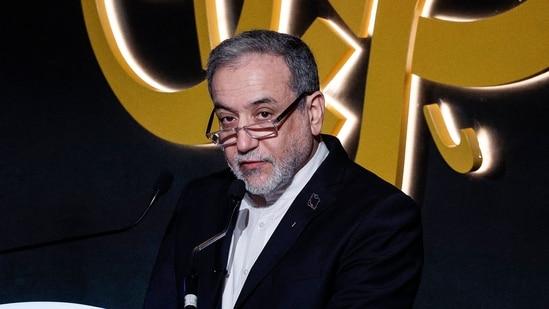
Iran's foreign minister, Abbas Araghchi, warned the White House in an Al Jazeera interview that Tehran would strike U.S. military bases in the Middle East if President Trump ordered an attack, while insisting Iran would not target U.S. soil or neighboring countries.
“Iran warned the White House it would strike US military bases in the Middle East if President Trump orders an attack, but said it would not target American soil or neighboring countries, Iranian Foreign Minister Abbas Araghchi told Al Jazeera on Feb. 7.”
Araghchi's warning, given amid indirect nuclear talks in Muscat, was couched as a regional-focused retaliation targeting U.S. forces in the region rather than American territory or adjacent states, and was framed as a defensive response to any future aggression.
Iran nuclear and missile talks
The warning came during indirect nuclear talks in Muscat, which Araghchi described as a good start, and both sides agreed a second round should take place soon. Iran signaled willingness to negotiate on enrichment levels but rejected U.S. demands to renounce uranium enrichment entirely.
Tehran insists on its legal right to enrich on its soil and has called zero enrichment unacceptable. Iran also repeatedly ruled out negotiating limits on its ballistic missile programme, describing it as a non-negotiable defensive matter.

U.S. pressure on Iran
Tensions have risen as U.S. economic and military pressure increased alongside the talks. The U.S. conducted fighter-jet flights over the Arabian Sea, shot down an Iranian drone that approached the USS Abraham Lincoln, and assembled a carrier strike group described by officials as a "massive armada." President Trump described the Muscat talks as "very good" while also signing an executive order to threaten tariffs on countries doing business with Iran and sanctions on shipping entities aimed at curbing oil exports.
“Military tensions have risen as well — the US flew fighter jets over the Arabian Sea, shot down an Iranian drone that approached the USS Abraham Lincoln, and built up what officials called a 'massive armada' including the carrier strike group.”
Media framings of Iran
Sources show differing priorities and framings beyond immediate brinkmanship. Iranian outlets and many Asian sources stress Iran’s legal rights, red lines on missiles and enrichment, and demands for verifiable sanctions relief. Western mainstream outlets foreground U.S. pressure, sanctions, and the security justification for the military posture.
Reporting also diverges on domestic context, with Hindustan Times citing competing casualty tallies from Iranian authorities and rights groups over post‑protest deaths. PressTV and Yeni Safak concentrate on Iran’s diplomatic stance and insist that talks proceed without threats.
