
Iran-US-Israel War Forces EU to Impose Emergency Energy-Bill and Renewables Measures
Key Takeaways
- Iran war triggered an energy crisis disrupting global oil and gas supplies
- EU is preparing emergency measures on household energy bills and renewables
- Leaders warn easing US sanctions could let Russia fill energy supply gaps
Scope of sources
Available source material does not explicitly link an Iran–US–Israel war to concrete EU emergency measures; the only substantive reporting in the provided snippets focuses on calls to suspend sanctions on Russian energy and on exemptions granted to Hungary and Slovakia.
“Continue without accepting Use of Cookies This site uses cookies or other technical trackers and, with your prior consent, also profiling cookies or other tracking tools, shared with our 972 partners, to show you relevant ads based on your interests and to improve and tailor our services accordingly, as well as to monitor visitor behavior patterns”
The Guardian reports that “He also urged the EU to suspend sanctions on Russian energy,” and notes that “Hungary along with Slovakia already have exemptions from EU restrictions on Russian gas imports.”
The same passage adds that those countries “more recently got a one-year exemption from US-imposed sanctions in exchange for commitments to buy liquefied natural gas from the US,” suggesting diplomatic wrangling over energy policy but not directly naming the Iran–US–Israel conflict as the driver in these excerpts.
Economic impact in EU
The Guardian snapshot indicates immediate economic pressures in Europe from higher oil and gas prices: the Sweden-based carrier SAS said it would introduce a temporary price increase “due to soaring oil prices.”
Ireland is reported to be facing concern over “the soaring cost of heating oil,” with natural gas “only available in about a third of homes” and “many rural properties reliant on paraffin for hot water.”
The Guardian also notes that the Irish coalition government “is resisting calls for immediate intervention,” which frames a domestic political reluctance to deploy emergency fiscal measures even as energy costs bite households.
Policy and diplomacy
On policy responses, the Guardian excerpt signals discussions about sanction-suspension and tailored exemptions rather than a single pan‑EU emergency package: it quotes appeals to suspend sanctions on Russian energy and records that specific member states won carve-outs.
“Continue without accepting Use of Cookies This site uses cookies or other technical trackers and, with your prior consent, also profiling cookies or other tracking tools, shared with our 972 partners, to show you relevant ads based on your interests and to improve and tailor our services accordingly, as well as to monitor visitor behavior patterns”
The mention that exemptions were secured “in exchange for commitments to buy liquefied natural gas from the US” points to transactional diplomacy shaping energy measures.
The snippet’s reference to “Other EU states” (incomplete in the excerpt) implies variation in member-state positions rather than uniform adoption of emergency energy-bill or renewables mandates in these passages.
Source limitations
The provided material is limited and contains gaps: none of the supplied snippets explicitly describes measures titled an “emergency energy‑bill” or specific renewables mandates enacted because of an Iran–US–Israel war.
The Fanpage.it excerpt instead covers digital advertising and profiling practices rather than geopolitics.
Because the source set here is small and narrowly focused, it is not possible from these texts alone to confirm the user’s headline claim or to present broader perspectives (for example, West Asian outlets or additional EU institutional statements) that would be needed to verify causation and the full scope of measures.
More on Europe

Unknown Attackers Kill French Soldier in Erbil, Macron Says
11 sources compared

Unidentified Attacker Plants Explosive at U.S. Embassy Entrance in Oslo; Oslo Police Investigate Possible Terrorism
12 sources compared

U.S. and Israel Kill Iran's Supreme Leader, Trigger Regional War
49 sources compared
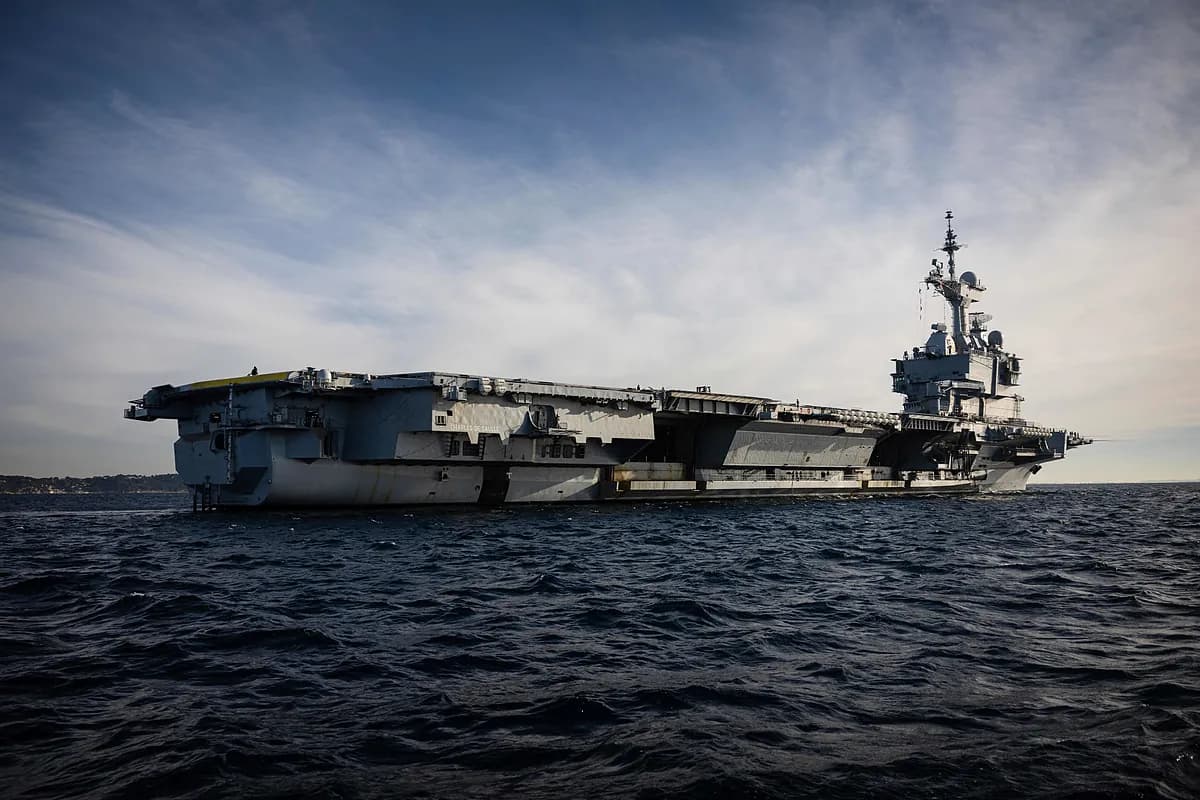
France Deploys Warships To Eastern Mediterranean After Drone Strike On Cyprus
11 sources compared