
Iran Vows Retaliation After Israel Strikes Largest Gas Facility
Key Takeaways
- Israel strikes Iran's South Pars gas field, the world's largest, co-managed with Qatar.
- Iran vows retaliation against Gulf energy sites after the strike.
- Iranian gas supply to Iraq stops; about 3,100 MW offline.
Major Gas Field Strike
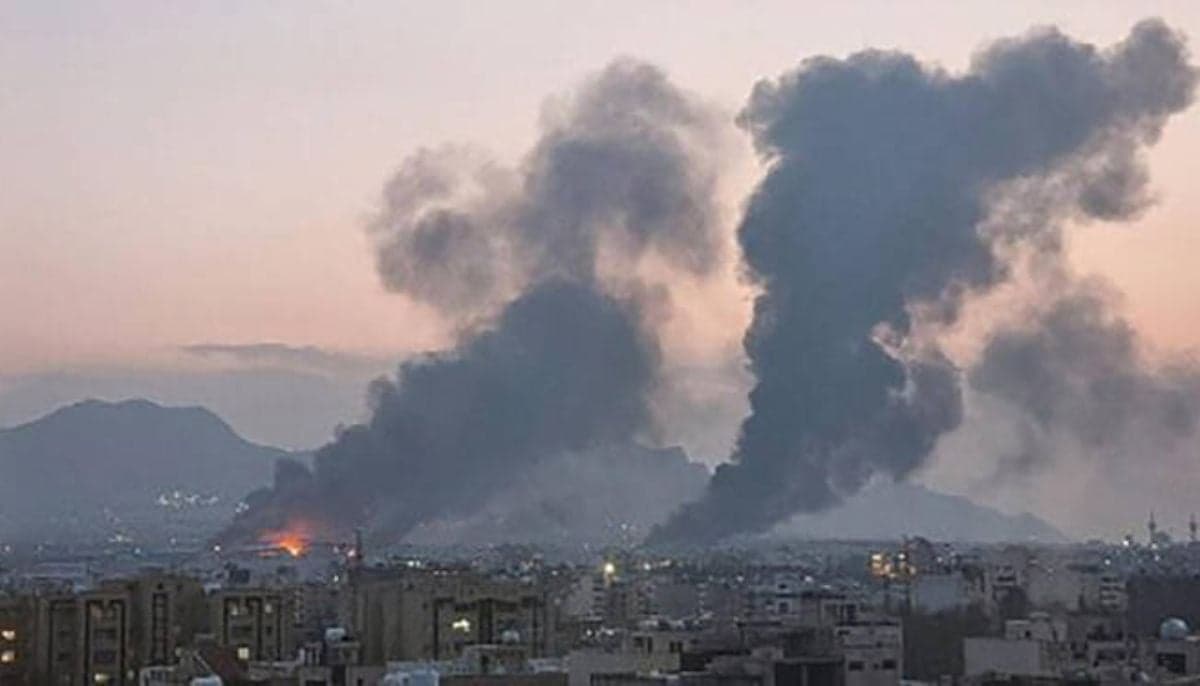
Israel conducted a major airstrike on Iran's South Pars gas field, the world's largest natural gas reserve, on Wednesday March 18, 2026.
“Qatar, which shares the offshore field with Iran, strongly condemned the attack”
The attack targeted gas processing infrastructure in Asaluyeh in southern Bushehr province, causing massive fires and disrupting approximately 70% of Iran's domestic gas supply.
According to Israeli officials cited in The Times of Israel, the strike was carried out with US approval and coordination, though neither country officially acknowledged responsibility.
The attack represented the first reported strike on Iran's upstream oil and gas facilities since the US-Israeli bombardment campaign began on February 28, 2026.
Iranian officials had warned that such attacks would lead to 'uncontrollable consequences.'
Iran's Immediate Retaliation
Following the attack on South Pars, Iran swiftly responded by issuing direct threats against energy infrastructure across the Gulf region.
Iran's Islamic Revolutionary Guard Corps (IRGC) issued evacuation warnings for facilities in Saudi Arabia, the UAE, and Qatar.

Iran specifically named targets including Saudi Arabia's Samref Refinery and Jubail Petrochemical Complex, the UAE's Al Hosn Gas Field, and Qatar's Ras Laffan refinery.
Within hours, Iran launched missiles that struck Qatar's Ras Laffan Industrial City, causing extensive damage.
Saudi Arabia reported intercepting four ballistic missiles heading toward its capital Riyadh and thwarting a drone attack on gas facilities.
The UAE suspended operations at two natural gas sites following Iranian strikes.
Global Energy Market Impact
The Israeli strike on South Pars and subsequent Iranian retaliation triggered immediate and significant disruptions to global energy markets.
“Episode details Available for 29 days There is "extensive damage" from missile attacks on the Ras Laffan industrial site, Qatar's state-owned petroleum company says”
Brent crude oil prices jumped dramatically, rising by approximately 6% to nearly $111 per barrel after the strike.
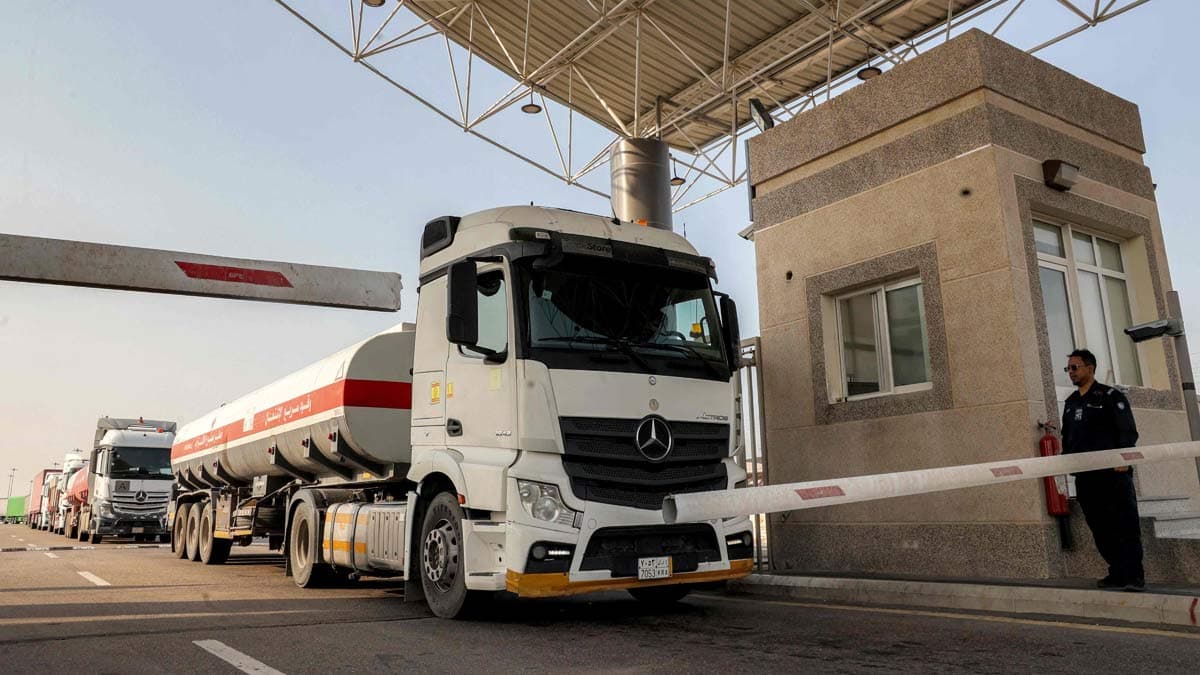
The attack also halted Iranian gas flows to Iraq, which is highly dependent on Iranian energy supplies.
Around 30-40% of Iraq's gas and power needs are traditionally supplied by Tehran.
Energy analysts warned that the conflict was now targeting the 'economic core' of the region.
The South Pars field makes up around a third of the world's largest reservoir of natural gas and produces approximately 100 million cubic meters of gas daily.
Its disruption has had immediate regional and global implications.
Diplomatic Fallout
The escalation prompted strong condemnations from regional Gulf states and significant diplomatic fallout.
Qatar's foreign ministry spokesman Majed al-Ansari condemned the initial Israeli strike as a 'dangerous and irresponsible step'.

Qatar called the Israeli strike 'a direct threat to global energy security.'
After Iran's retaliatory strike on Ras Laffan, Qatar expelled Iranian military and security attachés and their staff.
Qatar declared them 'persona non grata' and demanded their departure within 24 hours.
The UAE also condemned the Israeli strike, warning it represented 'a dangerous escalation'.
US President Donald Trump called Iran 'the NUMBER ONE STATE SPONSOR OF TERROR'.
US officials clarified they approved the specific strike but did not want further attacks on Iranian energy infrastructure.
Strategic Escalation
The attack on South Pars represents a significant strategic escalation in the Iran-Israel-US conflict.
“The economic fallout was immediate”
It shifts the focus from targeting leadership structures to directly attacking economic and energy infrastructure.
The 18-day war had initially focused on dismantling Iran's leadership structure.
Reports indicated the killing of high-ranking officials like Esmaeil Khatib and former Supreme Leader Ali Khamenei.
The strike signals a new phase where both sides target the 'economic core' of the region.
Energy analysts warn of potential prolonged global energy supply disruptions.
Iranian officials have warned of 'uncontrollable consequences' that 'could engulf the entire world'.
The conflict has already killed over 3,000 people in Iran, 900 in Lebanon, and 13 US troops.
More on Iran

Israel strikes Iran's Pars gas field as Tehran vows revenge
14 sources compared
Trump threatens to blow up South Pars gas field if Iran attacks Qatar again
10 sources compared
UAE Halts Habshan Gas Facility Operations After Debris From Intercepted Missiles
10 sources compared

Iran Threatens Gulf Energy Facilities After Israel Strikes South Pars Gas Field
11 sources compared