Iran Walks Out Of Burgenstock Talks After Trump Threatens Military Action, Strait Of Hormuz Closed
Key Takeaways
- Burgenstock talks in Switzerland include US and Iranian delegations with mediators.
- Israel and Hezbollah reportedly agreed to a ceasefire during the period.
- Lebanon expelled the Iranian ambassador; Hezbollah denounced the move.
Talks in Switzerland
US and Iranian delegations met with Pakistani and Qatari mediators in Burgenstock, Switzerland, as they sought to convert a fragile memorandum of understanding into a broader political settlement, with Iran’s Press TV saying the talks concluded for the night at about 10 p.m. on June 21.
Iran’s Tasnim news agency said Tehran’s delegation walked out of the meeting in protest to US President Donald Trump’s latest threats of military action, while Tasnim added that messages continued to be exchanged through Qatari and Pakistani mediators.
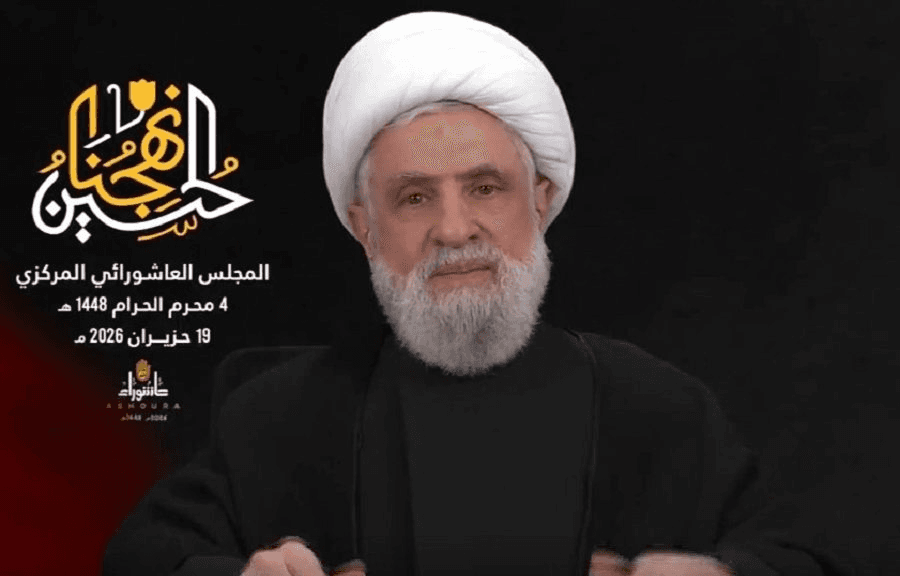
Iran’s top negotiator Mohammad Baqer Qalibaf, who is leading Iranian diplomats in Tehran’s talks with the United States, warned Washington: "We do not take American threats into account," and said "our armed forces are ready to respond to them in a different manner."
The same exchange unfolded as Trump threatened to hit Iran "very hard again" over its "proxies" in Lebanon, and the article places the talks between US Vice President JD Vance and Iranian representatives at Burgenstock on June 21.
In parallel, the Radio Free Europe/Radio Liberty report says Iran’s military announced it was again closing the Strait of Hormuz to all shipping in response to cease-fire violations in Lebanon, while the Times of Israel reported Iran’s central military command claimed the strait was closed again.
Hezbollah, Hormuz, and reactions
The Times of Israel reports that the US military denied the strait was shuttered, with US Central Command spokesperson Navy Captain Tim Hawkins telling Reuters: "Iran does not control the Strait of Hormuz."
In the same report, JD Vance told Fox News he saw no evidence that Hormuz was closed and suggested Iran was diverting vessels from sailing into naval mines, saying, "We know those straits have a lot of mines in them."

Radio Free Europe/Radio Liberty frames the diplomatic track as running alongside the Israeli-Lebanese conflict, noting that Israeli Defense Minister Israel Katz said Israeli troops remained free to take action in a security zone extending about 10 kilometers into southern Lebanon.
The Independent adds that Israeli warplanes and drones hit multiple locations in the south and the Bekaa Valley, while an Israeli military official said Hezbollah fired more than 50 projectiles at Israeli forces in southern Lebanon overnight.
The Independent also quotes far-right national security minister Itamar Ben Gvir responding to the Iran deal with: "All of Lebanon must burn!" while the Radio Free Europe/Radio Liberty report quotes Qalibaf warning that "No matter what they say, we are the ones who act," as talks continued in Switzerland.
What’s at stake next
The Times of Israel says the deal signed by US President Donald Trump and Iranian counterpart Masoud Pezeshkian aims to end a conflict that began on February 28, and it provides for the reopening of the Strait of Hormuz and a 60-day negotiation period on broader issues including Tehran’s nuclear program.
Radio Free Europe/Radio Liberty describes how the talks are meant to transform a fragile wartime memorandum into a broader political settlement, while also pointing to the Strait of Hormuz and the Israeli-Lebanese conflict as major fault lines.
The Britannica explainer places the wider war context around Operation Epic Fury, saying it began on February 28, 2026, and concluded on May 5, with nearly 900 strikes in 12 hours launched by US and Israeli forces.
Britannica further states that after more than five weeks of fighting, the United States and Iran agreed on April 7–8 to a ceasefire that included Israel, and it says mediators announced a memorandum of understanding intended to bring the conflict to a formal end within 60 days of its signing on June 14.
In the immediate political aftermath, the Radio Free Europe/Radio Liberty report quotes Qalibaf warning Washington that "They would do better to be careful with their statements; our armed forces are ready to respond to them in a different manner," as the article says the first round of talks in Switzerland was still underway and no official word had emerged as midnight approached in Burgenstock.
More on Iran

Trump Threatens Tehran as JD Vance Meets Mohammad Bagher Qalibaf in Switzerland Talks
18 sources compared

JD Vance Holds US-Iran Talks in Switzerland as Trump Threatens Strikes Over Hormuz
12 sources compared

Iran’s Qalibaf Urges US To Be Cautious After Trump Threats
10 sources compared
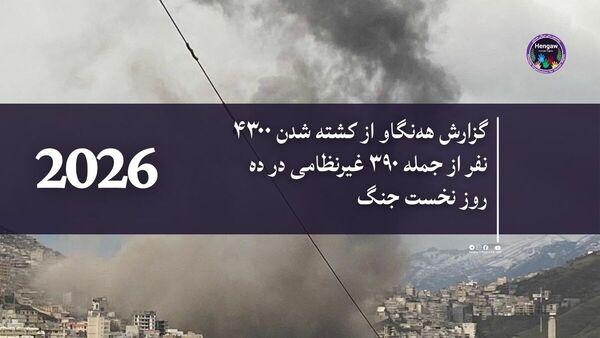
U.S. and Israel Attack Iran, Killing 1,394 Civilians, Human Rights Groups Say
15 sources compared