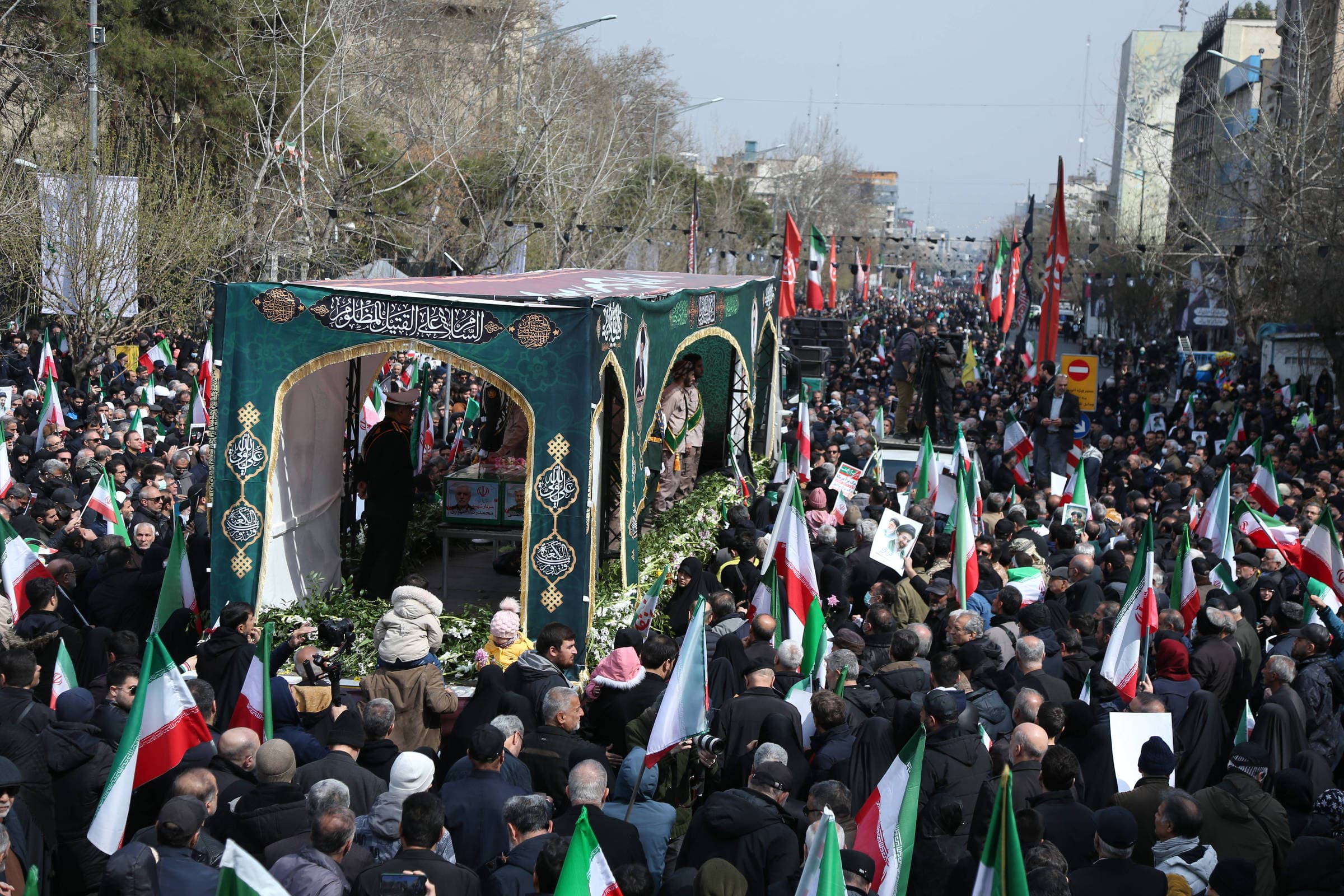
Iran wants reparations and guarantees to end the war; the conflict ends 'when I want,' says Trump
Key Takeaways
- Masoud Pezeshkian demanded recognition of Iran's rights and payment of reparations to end the war
- The conflict began 12 days earlier by the United States and Israel
- Donald Trump said the conflict ends 'when I want'
Pezeshkian's demands
Iranian President Masoud Pezeshkian said on Wednesday (11) that the war in the Middle East will only end if the country’s "legitimate rights" are recognized and there is a "payment of reparations" to the theocracy for the damage caused in the conflict, which began 12 days ago by the United States and Israel.
“Iranian President Masoud Pezeshkian said on Wednesday (11) that the war in the Middle East will only end if the country’s "legitimate rights" are recognized and there is a "payment of reparations" to the theocracy for the damage caused in the conflict, which began 12 days ago by the United States and Israel”
Pezeshkian asked in a post on X for "firm international guarantees against future aggressions."
The article says this is the first time any sort of term has been set by the Iranian president for ending the war.
The piece also notes a key obstacle: those who attacked are not interested in terms other than, in Donald Trump’s words, unconditional surrender, making reparations and future safeguards appear pointless.
U.S. claims and objectives
Donald Trump told Axios that "there is practically nothing left to attack" in Iran and that "when I want it to end, it will end," adding that "the war is going very well. We are far ahead of schedule. We caused more damage than we thought possible, even within the original six-week [period for the end of attacks]."
Later he said, "We won. Let me say one thing: we won. We never want to say we won prematurely, but we won. In the first hour, the war had already ended."
The article says those statements contradict his own administration’s guidelines and highlights that there is little clarity about U.S. objectives or when the White House will consider them achieved.
Trump and administration spokesperson Karoline Leavitt have framed U.S. goals as preventing Iran from building a nuclear weapon, destroying productive capacities of ballistic missiles, destroying the Iranian Navy and weakening Tehran’s allied groups, and both have spoken of forcing the Iranian regime into an "unconditional surrender."
Nuclear issue and impact
The article links Pezeshkian’s reference to "legitimate rights" to Iran’s nuclear program, noting that preventing Tehran from having the bomb is one of the apparent "casus belli" for both Trump and Prime Minister Binyamin Netanyahu.
“Iranian President Masoud Pezeshkian said on Wednesday (11) that the war in the Middle East will only end if the country’s "legitimate rights" are recognized and there is a "payment of reparations" to the theocracy for the damage caused in the conflict, which began 12 days ago by the United States and Israel”
It states that Iran has 441 kg of enriched uranium near weapons-grade levels, enough for up to 15 less-effective bombs, and argues that unless Iran gives up the program and that material it is unlikely to get anything from the aggressors.
The piece also says Trump alternates threats to obliterate the regime with promises of a shorter war in part to calm the oil market after the effective closure of the strait through which a fifth of the world’s oil production passes.
Domestic politics and military
The article describes a domestic power struggle in Iran that complicates Pezeshkian’s position: it says he was part of the triumvirate that oversaw the succession of Supreme Leader Ali Khamenei, who was killed on the first day of the war, but that he operates in the shadow of Ali Larijani, head of the country’s Security Council.
It reports Larijani is linked to the Revolutionary Guard and maneuvered to have Khamenei’s son, Mojtaba, elected by a collegium of clerics quickly and apparently opaquely, and that Mojtaba has not appeared publicly because, the government says, he was injured alongside his father.
The article adds that Pezeshkian was further sidelined after he apologized on Saturday (8) for Iranian forces’ retaliatory attacks against Arab countries with American bases in the Persian Gulf and sought a diplomatic opening but was rebuffed by the military, which continued to launch missiles and drones across the region.
It concludes by noting that on Wednesday the Revolutionary Guard said it will fight "until the shadow of war is lifted" over Iran, and that Defense Minister Israel Katz said the war will continue "without any time limit."
More on Iran
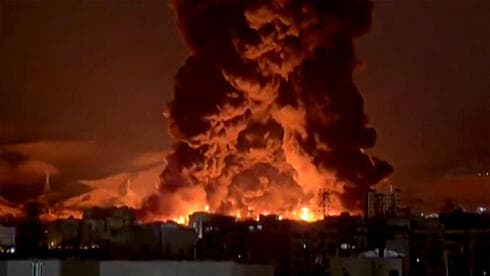
US obliterates military targets on Iran’s Kharg Island, Trump warns
13 sources compared
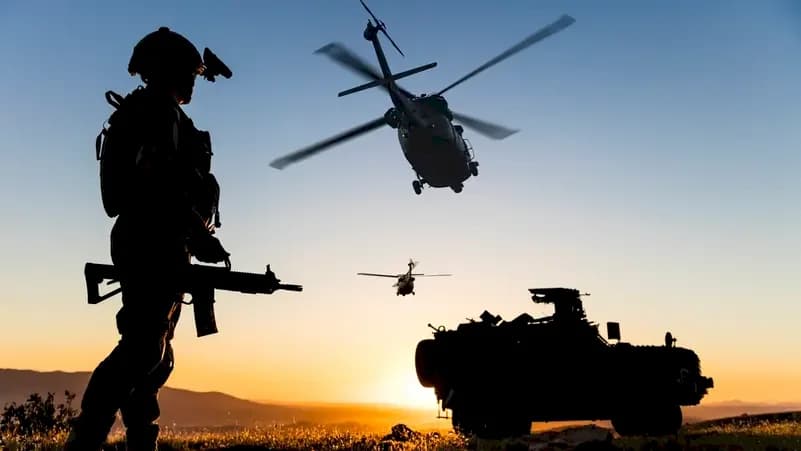
US Deploys About 2,500 Marines to Middle East After Iran Attacks Gulf Shipping
33 sources compared
FBI Warns of Iranian Drone Plot Based on Unverified Tip; California Says No Credible Threat
10 sources compared

White House Demands ABC Retract Report Claiming Iran Sought To Launch Drone Attacks On California
11 sources compared