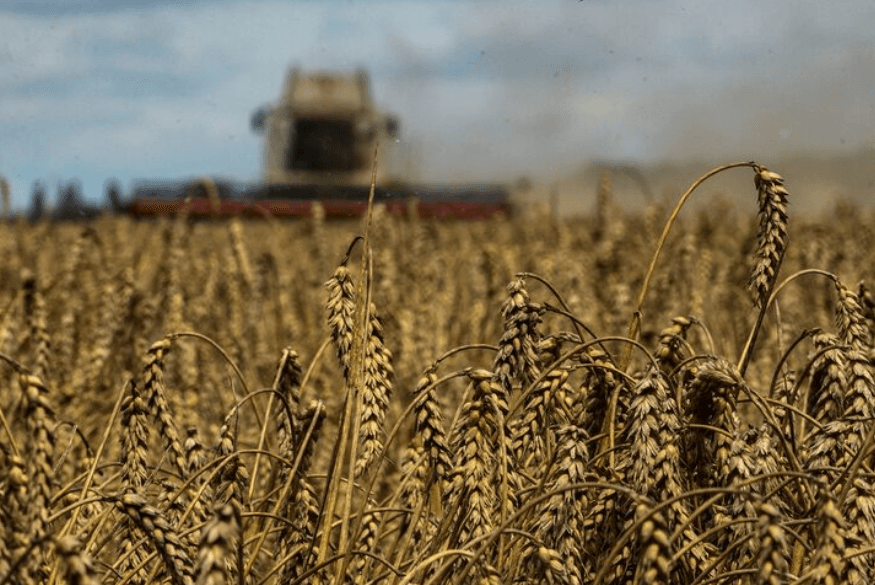
Iran War And Strait Of Hormuz Closure Disrupt Oil And Fertilizer Supplies For India And Sri Lanka
Key Takeaways
- Iran war and Hormuz disruption cut oil and fertilizer supplies to India, Sri Lanka.
- Fertilizer shortages push up farming costs and threaten food security in India and Sri Lanka.
- Global food supply risks escalate as Asia's farmers face fuel and fertilizer cost spikes.
Strait of Hormuz Fallout
The war in Iran and the closure of the Strait of Hormuz have disrupted oil and fertilizer supplies, triggering broad concern among farmers in India and Sri Lanka.
“Democracy Dies in Darkness By Rebecca Tan and Wilawan Watcharasakwej SUPHAN BURI, Thailand — She has gone over the math for weeks”
In Punjab, Gurvinder Singh said his anxiety about a conflict thousands of miles away has become “suffocating” as he fears for his season’s rice crop.

The Independent Arabic reported that Iran’s decision to block one of the world’s most important shipping routes, the Strait of Hormuz, in response to American and Israeli strikes that targeted it more than a month ago has pushed the world into a cycle of concern about oil and gas supplies.
The same report said the World Food Programme estimates that 45 million additional people could face acute food insecurity if the conflict does not end by June.
Costs Squeeze Rice Farmers
Al Jazeera net said the energy crisis driven by the war on Iran is moving into a more impactful phase as its fallout shifts from markets to food security.
Bloomberg, as quoted by Al Jazeera net, said fields ready for harvest were left unharvested and farmers were considering delaying planting for the next season because input costs had doubled or even tripled.
Maximo Torero, the chief economist at the UN’s Food and Agriculture Organization, warned that “Profit margins are razor-thin, which means farmers will plant less,” and said the shortage of inputs “will not be solved unless ships resume passing through the strait.”
Al Jazeera net added that Asia has been particularly affected by an almost complete closure of the Strait of Hormuz, a major conduit for fuel and fertilizer supplies.
What Happens Next
Al Jazeera net projected that rice production in the Philippines—the world’s largest importer—could fall by about 10% this year, equivalent to about two million tonnes of a projected output of 20.3 million tonnes.
“Energy crisis driven by the war on Iran is moving into a more impactful phase, as its fallout shifts from markets to food security, at a time when one of the world's most essential commodities is at risk of supply disruption”
The outlet said officials warn that this decline will be evident in the upcoming harvest season between September and October, heightening concerns about supply pressures.
In Thailand, Al Jazeera net reported that some farmers left their crops in the field because the cost of harvesting has become high, while others hesitate to start planting the new season without price guarantees.
In the Philippines, one farmer told Al Jazeera net, “We have no option... we must take the risk and replant,” as the crisis forces millions working in the sector to continue farming despite the risks.
More on Iran
US-Iran Agreement Restarts Strait of Hormuz Shipping, Kpler Shows 172 Vessels Crossing
13 sources compared

Naftali Bennett Says Israel Smuggled Starlink Receptors Into Iran To Aid Anti-Government Protesters
12 sources compared
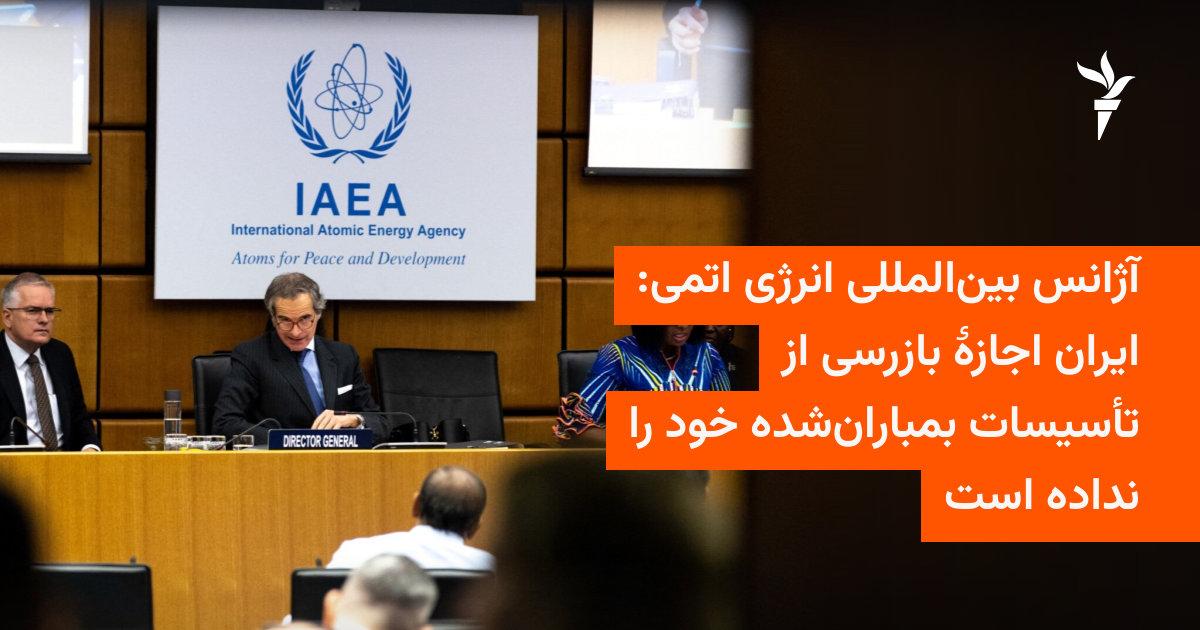
Iran Denies New Nuclear Inspection Commitments After JD Vance Says IAEA Talks Could Start Today
30 sources compared

Masoud Pezeshkian Meets Pakistan Leaders, Pledging Deeper Iran-Pakistan Ties And Regional Peace
18 sources compared