
Iran war timeline: civilians bear brunt of US and Israel’s weeks-long campaign
Key Takeaways
- US and Israel launched attacks on Iran to remove nuclear threat, destroy missiles, depose regime.
- Campaign has lasted nearly a month.
- Iranian civilians are increasingly bearing the brunt of the campaign.
Intro and war framing
It is approaching a month since the US and Israel launched their attacks on Iran , arguing they were acting to remove the country’s nuclear threat, destroy its ballistic missile capability and free the Iranian people of a tyrannical theocratic regime.
“It is approaching a month since the US and Israel launched their attacks on Iran , arguing they were acting to remove the country’s nuclear threat, destroy its ballistic missile capability and free the Iranian people of a tyrannical theocratic regime”
Yet it is Iranian civilians who are increasingly bearing the brunt of Israel and US’s campaign.
Here’s what we know about the impact war is having on the Iranian public.
Civilian casualties and initial strikes
The start of the war 28 February-7 March At least 175 people were killed, the majority of them children, by a Tomahawk missile strike on an Iranian school on the first day of Israeli-US bombing.
US investigators reportedly believe American forces are responsible .
A strike on Shajareh Tayyebeh school during the US-Israeli bombing campaign killed up to 175 people on the first day of the war.
Photograph: Anadolu/Getty ImagesOn the same day, 20 people, including teenage girls playing volleyball, were killed after an attack that hit a sports hall in Lamerd, on Iran’s south coast, Iranian authorities said.
Gandhi hospital, in Tehran, suffered extensive damage in strikes the day after, in what the World Health Organization chief, Dr Tedros Adhanom Ghebreyesus, described as an “extremely worrying” incident.
Historic sites including the Unesco world heritage site Golestan Palace and the ancient Grand Bazaar in Tehran, along with shops and cafes across the country, were also significantly damaged in the first week of bombing ordered by the US president, Donald Trump, and Israel’s prime minister, Benjamin Netanyahu.
Attacks on civilian sites are illegal under international law.
Where they accept responsibility, Israel and the US argue that the devastation is incidental to strikes on nearby military or strategic targets.
The UN’s refugee agency said 100,000 people fled the Iranian capital, Tehran, in the first 48 hours of attacks.
Environmental and cultural damage
8-15 March Residents of Tehran reported black clouds and “black rain” on 8 March, describing downpours contaminated with toxic pollutants, a day after Israel said it had bombed fuel depots near the capital.
“It is approaching a month since the US and Israel launched their attacks on Iran , arguing they were acting to remove the country’s nuclear threat, destroy its ballistic missile capability and free the Iranian people of a tyrannical theocratic regime”
The WHO warned that the environmental impacts of attacks on oil infrastructure could have severe health effects on children, older people and people with pre-existing medical conditions.
Meanwhile, Iran’s ministry of culture and heritage reported that Israeli airstrikes had damaged culturally significant buildings in the city of Isfahan , which is known for its historic Islamic architecture, including Ali Qapu Palace, Chehel Sotoun and Jameh Mosque.
Fire breaks out in Shahran oil depot following US and Israeli attacks in Tehran, shrouding the city in black smoke.
Photograph: Anadolu/Getty ImagesThe buildings, which the Iranian authorities said had been flying blue flags signalling their protected status, were hit hours after the third-century Shapur Khast castle, in western Iran, suffered structural damage.
More than 40,000 civilian buildings, including 10,000 homes in Iran, were damaged in airstrikes in the first fortnight of the war, the Iranian Red Crescent Society, a humanitarian NGO, said on 14 March, adding that they had received 70,000 calls from people seeking “mental health support, guidance … and counselling”.
Humanitarian impact and rights concerns
16-21 March The UN human rights chief, Volker Türk, warned on 18 March that densely populated urban areas, along with major energy facilities, were coming under attack across the Middle East, meaning many people were observing Eid in “hardship, uncertainty, and fear”.
The office of the UN high commissioner for human rights said civilians faced disruptions in electricity supply, and shortages of medicine, baby formula and fuel, while housing complexes, medical facilities, shops, courthouses, Unesco world heritage sites, energy installations and about 500 schools had been hit by US-Israeli missiles in Iran.
Air strikes have damaged the Unesco-listed Chehel Sotoun palace in Isfahan.
Photograph: Social Media/ReutersThe UN understands that the Iranian regime has continued its repression against citizens, with political prisoners facing harsher conditions, critics being arrested, and internet access restricted.
Inflation in Iran is said to be at its highest levels since the second world war, exacerbating the cost of living crisis that triggered the protests that preceded the war , putting basic foods out of reach for many.
The Iranian government raised the minimum wage by 60% on 20 March in response.
On Saturday 21 March, Iran’s state broadcaster said more than 1,500 people had been killed in Iran since the war began.
More on Iran

President Trump Says Iran Deal Within Reach Amid Talks With Senior Iranian Official
10 sources compared

Trump Approves Iran Operation After Netanyahu Presses for Joint Strike on Khamenei
12 sources compared

President Donald Trump orders ICE officers deployed to airports amid DHS shutdown.
227 sources compared
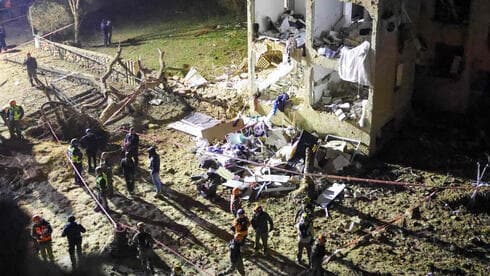
Iranian Missiles Strike Israel; Officials Report 180 Injured Amid Conflicting Casualty Figures.
12 sources compared