
Trump Approves Iran Operation After Netanyahu Presses for Joint Strike on Khamenei
Key Takeaways
- Trump approved U.S.-Israeli operation to strike Iran's Supreme Leader Khamenei after Netanyahu pressed for action.
- Decision came less than 48 hours before the U.S.-Israeli attack on Iran began.
- Trump and Netanyahu knew from intelligence that Khamenei and top deputies would meet in Tehran.
Intelligence Opportunity
Less than 48 hours before the U.S.-Israeli strike on Iran began, Prime Minister Benjamin Netanyahu spoke by phone to President Donald Trump about launching the complex military operation.
“Less than 48 hours before the US-Israeli attack on Iran began, Prime Minister Benjamin Netanyahu spoke by phone with President Donald Trump about the reasons for launching a complex and far-reaching war that the American leader had once campaigned against”
Both leaders were aware of intelligence revealing a rare opportunity to target Iranian Supreme Leader Ayatollah Ali Khamenei and his key lieutenants at a compound in Tehran.
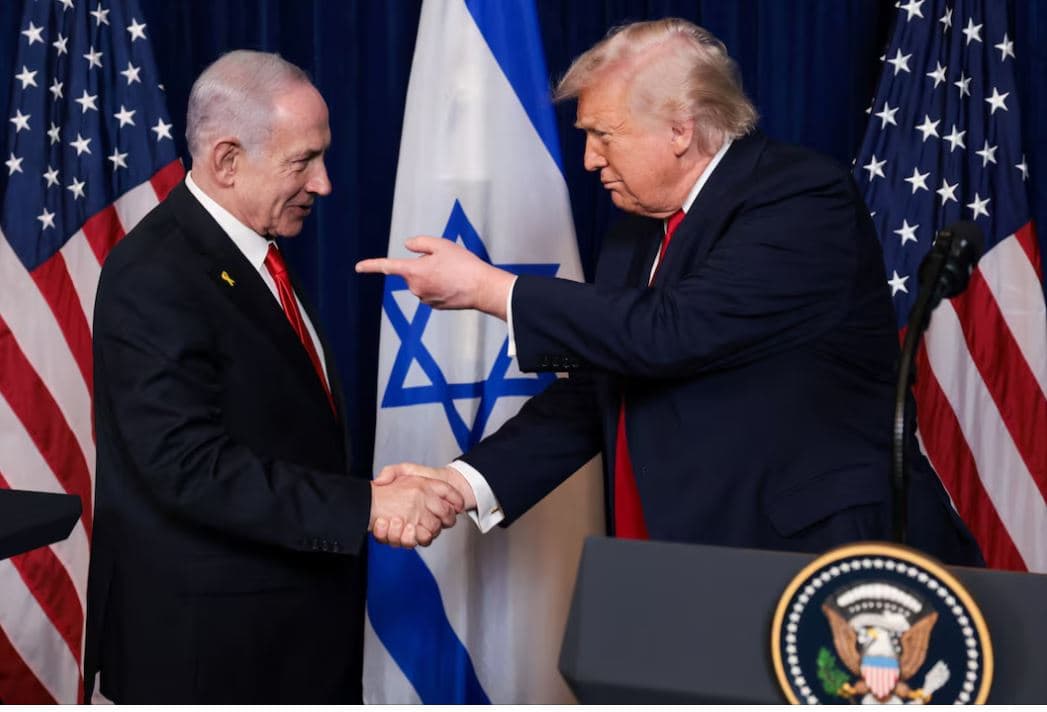
The intelligence briefing indicated Khamenei and his aides would be vulnerable to what officials described as a 'decapitation strike' – a tactic traditionally used by Israelis but less commonly by the United States.
However, new intelligence suggested the meeting had been moved forward from Saturday night to Saturday morning, creating an urgent timeframe for action that both leaders needed to consider immediately.
Netanyahu's Pressure
Netanyahu, who had been advocating for this operation for decades, pressed Trump to capitalize on the intelligence window by arguing that there might never be a better chance to kill Khamenei and avenge previous Iranian efforts to assassinate Trump.
The Israeli leader brought up a 2024 murder-for-hire plot allegedly orchestrated by Iran when Trump was a candidate, which the Justice Department had tied to Iran's desire for revenge after the killing of their top commander Qassem Soleimani.

By the time of the critical phone call, Trump had already approved the idea of a U.S. military operation against Iran but had not yet decided on the timing or circumstances for American involvement.
This left the final decision hanging in the balance as intelligence indicated the window for action was rapidly closing.
Decision Catalyst
The phone call between the two leaders served as Netanyahu's final argument to Trump, with sources describing it as a catalyst that helped drive the president's decision to approve Operation Epic Fury on February 27.
“Trending: West Asia war Strait of Hormuz Dimona attack IPL 2026 Dhurandhar 2 box office advertisement Trump greenlit Iran strikes after Netanyahu urged joint move to kill Ali Khamenei: Report FP News Desk _•_ March 24, 2026, 08:37:36 IST advertisement Trump approved Iran military operation before a key call with Netanyahu, who pushed for a strike on Khamenei, as intelligence revealed a rare opportunity to target Iran’s top leadership Advertisement”
The U.S. military had been building up its presence in the region for weeks, leading many within the administration to conclude that military action was inevitable, with the only question being timing.
Earlier potential strike windows had been abandoned due to bad weather, but the combination of Netanyahu's persuasive arguments and the intelligence showing a narrowing window to target Iran's leadership proved decisive.
Netanyahu framed the operation as potentially historic, suggesting that eliminating Khamenei could weaken Iran's leadership and potentially trigger internal unrest that could overthrow the theocratic system governing Iran since 1979.
Aftermath Complexity
Despite Trump's public insistence that the decision to strike was his alone, the reporting shows that Netanyahu was an effective advocate whose framing of the operation proved persuasive to the president.
The Israeli leader suggested that Trump could create history by helping eliminate an Iranian leadership long reviled by the West and many Iranians, while also arguing that such a move could potentially lead to regime change.

In the aftermath of the February 28 strike that killed Khamenei, however, the situation has proven more complex than anticipated.
Instead of triggering the mass uprising Netanyahu predicted, Iran's power structure remained intact, with leadership transitioning quickly to Khamenei's son Mojtaba, who is described as holding an even more hard-line anti-U.S. stance than his father.
The conflict has since spiraled, impacting global oil markets and raising fears of a broader regional war, particularly around critical shipping routes like the Strait of Hormuz.
Operation Execution
The operation's execution timeline reflects the urgency created by the intelligence developments and Netanyahu's persuasive arguments.
“Gift this articleShare to FacebookPrint article Article printing is available to subscribers only Print in a simple, ad-free format Subscribe Comments: SaveZen Reading Zen reading is available to subscribers only Ad-free and in a comfortable reading format Subscribe”
The first bombs struck on Saturday morning, February 28, with Trump announcing Khamenei's death that same evening.
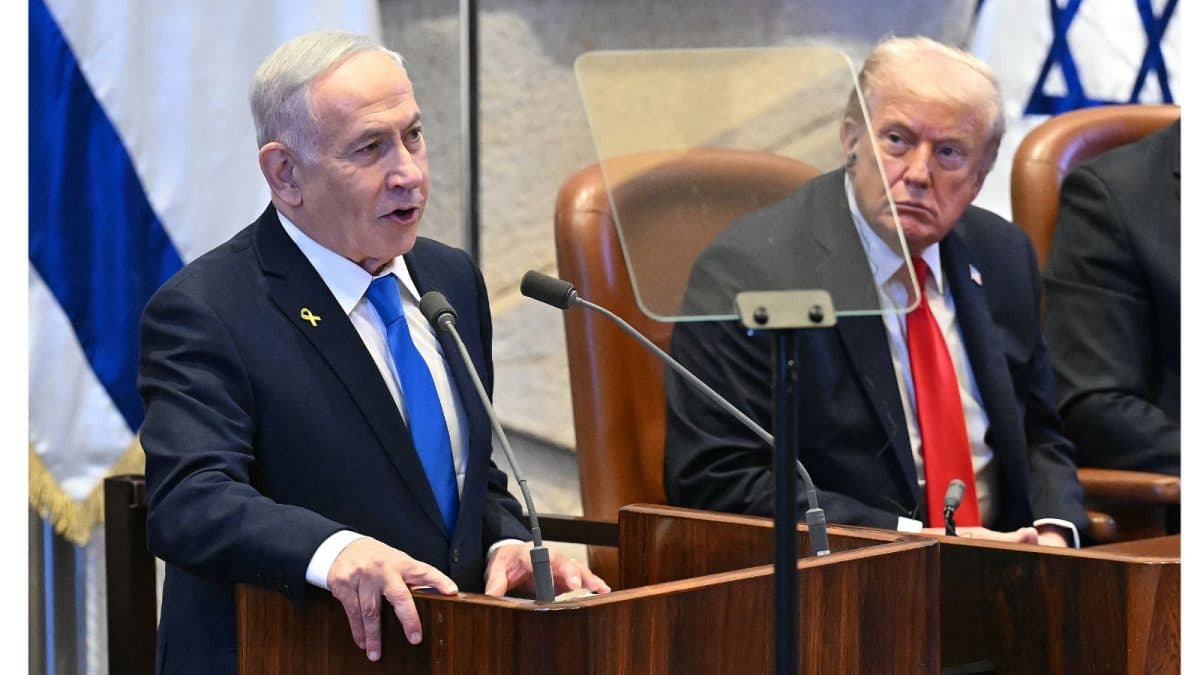
The White House characterized the military operation as designed to 'destroy the Iranian regime's ballistic missile and production capacity, annihilate the Iranian regime's Navy, end their ability to arm proxies, and guarantee that Iran can never obtain a nuclear weapon.'
Netanyahu, in response to claims that Israel had pressured the United States into conflict, dismissed such allegations as 'fake news' during a press conference.
The operation marked a significant escalation in Middle East tensions and demonstrated the complex interplay between U.S. and Israeli strategic interests, with Netanyahu successfully leveraging his relationship with Trump to advance a long-sought military objective against Iran.
More on Iran

US and Israel enter 25th day of war against Iran
12 sources compared

President Trump Says Iran Deal Within Reach Amid Talks With Senior Iranian Official
10 sources compared
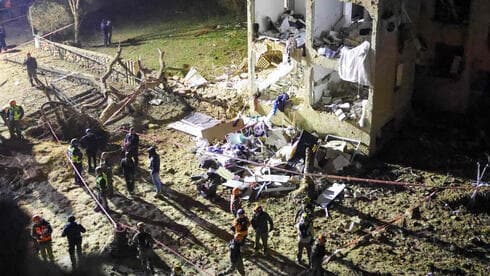
Iranian Missiles Strike Israel; Officials Report 180 Injured Amid Conflicting Casualty Figures.
12 sources compared

Iran Collects $2 Million Transit Fees From Some Vessels Crossing Strait of Hormuz
17 sources compared