
US and Israel Launch War on Iran, Unleash Nearly 900 Airstrikes
Key Takeaways
- US-Israel launched Feb 28, 2026, targeting Iran's nuclear facilities, military infrastructure, and leadership.
- US operation codename Epic Fury; Israeli name varies (Rising or Roaring Lion).
- Trump claimed productive talks with Tehran, prompting a five-day pause on Iranian energy strikes.
Opening Assault
The 2026 Iran War began on February 28 when the United States and Israel launched a massive coordinated operation, dubbed 'Epic Fury' by the US and 'Rising Lion' by Israel.
“Vall explained that Tehran harbours deep suspicion regarding any messaging from Washington, viewing Trump’s claims of peace talks as “manoeuvring” aimed at “winning time””
This unprecedented assault unleashed nearly 900 airstrikes in just 12 hours, targeting Iranian missile systems, air defenses, nuclear facilities, military bases, and leadership positions.

The opening salvo resulted in the deaths of Supreme Leader Ayatollah Ali Khamenei and dozens of top Iranian officials.
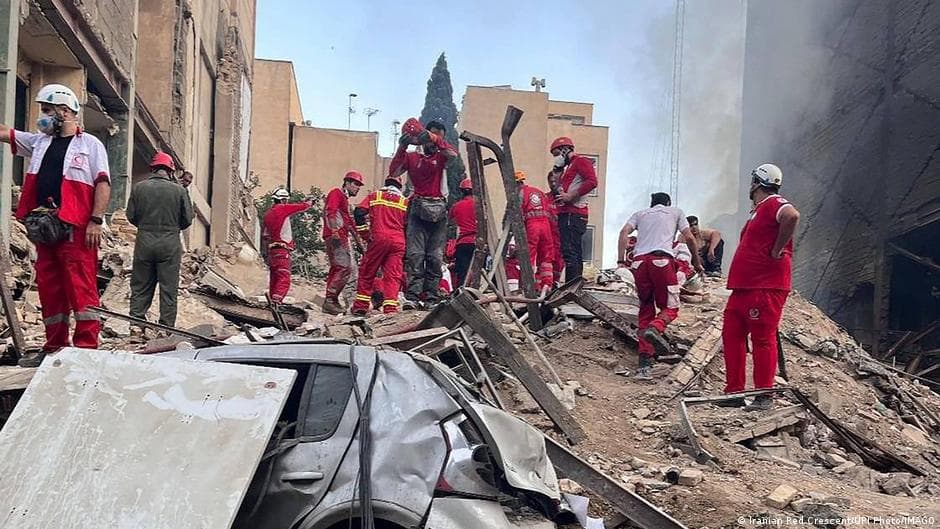
A US Tomahawk strike on a school adjacent to a naval base near Bandar Abbas killed approximately 170 civilians, mostly children.
Iran responded within hours by firing hundreds of ballistic missiles and launching thousands of drones at Israel, US bases in the Gulf, and targets across multiple Gulf states.
The Iranian retaliation immediately disrupted global oil flows by restricting passage through the strategically vital Strait of Hormuz, through which 20% of global oil transit occurs.
Humanitarian Impact
The rapid escalation of the conflict has caused devastating humanitarian and infrastructure damage across the region.
Over the next three weeks, US-Israeli forces conducted sustained air campaigns that destroyed much of Iran's air-defense network, missile production sites, and navy assets.

More than 80,000 civilian sites were reportedly hit, including 260 medical facilities and UNESCO-listed buildings.
This destruction has caused widespread blackouts, fuel shortages, toxic pollution, and over 2,000 total deaths across Iran, Israel, Lebanon, and Gulf states.
The retaliation has reignited fighting with Hezbollah in Lebanon, prompting Israeli strikes that have hit civilian infrastructure including hospitals, airports, and heritage sites.
In Lebanon, Israeli forces targeted seven areas of Beirut's southern suburbs overnight, while a strike on Bshamoun killed at least two people and injured five others.
Strategic Objectives
The US-Israeli military campaign appears driven by strategic objectives aimed at dismantling Iran's military capabilities and regional influence.
“Benzinga does not provide investment advice”
The primary goals include the destruction of Iran's nuclear, ballistic missile, and drone capabilities as part of an overall strategy to degrade the Iranian threat.
According to General Dan Caine, chairman of the Joint Chiefs of Staff, the mission is intended to 'hinder Iran's capacity to exert influence beyond its borders' and prevent power projection and expansionism.
This campaign represents the culmination of years of shadow conflict, including first-ever Iran-Israel missile exchanges in April and October 2024.
A limited 12-day war in June 2025 damaged Tehran's nuclear and ballistic missile programs.
The American Jewish Committee emphasizes that Iran's pursuit of nuclear weapons, long-range ballistic missiles, and global network of terrorist proxies has threatened Israel and destabilized the region for decades.
Economic Impact
The war has triggered severe economic disruptions globally, particularly affecting Asian economies dependent on Middle Eastern oil supplies.
South Korea, which relies on the Middle East for more than 70 percent of its oil, has been particularly hard hit.

The crisis forced the South Korean prime minister to cancel a trip to China to deal with domestic economic fallout.
Japan faces an even more dire situation, as nearly 95 percent of the country's oil flows through the Strait of Hormuz.
The UAE's state energy company ADNOC chief condemned Tehran's blockade of the strategic waterway as 'economic terrorism against every nation,' citing the surge in oil prices.
South Korea's Energy Minister announced public institutions would cut back on passenger car usage and top businesses would be asked to reduce oil consumption.
Peace Negotiations
Despite the ongoing conflict, conflicting claims have emerged regarding potential peace negotiations, with the situation remaining highly fluid.
“What you need to know - Turkey, Egypt and Pakistan reportedly all talking to warring parties - Not clear though who is leading regional mediation efforts - Earlier, President Donald Trump delayed threated strikes on Iran, saying the US was in talks with Iran - Iran had denied that any such negotiations were taking place Here is a roundup of our coverage of the US-Israeli war with Iran and its wider impact in the Middle East on Tuesday, March 24, 2026: South Korea calls for curbs on cars amid fuel crisis South Korea's Energy Minister Kim Sung-whan said public institutions would cut back on their use of passenger cars”
US President Donald Trump claimed that Washington was holding discussions with Tehran and suggested a broader agreement could be reached, stating that 'Iran means business.'
However, Iranian officials firmly rejected these claims, with the Islamic Revolutionary Guard Corps and parliamentary leaders calling the statements 'fake news' and a 'big lie.'
Iranian officials have accused the US of fabricating these claims to manipulate global oil and financial markets and to buy time as more US troops deploy to the region.
Trump had initially issued a 48-hour deadline demanding that Iran reopen the Strait of Hormuz, threatening to 'obliterate' Iranian power plants if Tehran failed to comply.
This deadline was later extended for five days, while Iran appointed Mojtaba Khamenei as the new supreme leader but lost senior official Ali Larijani to an Israeli strike.
More on Iran

President Trump Says Iran Deal Within Reach Amid Talks With Senior Iranian Official
10 sources compared

Trump Delays Strikes on Iran's Power Plants for Five Days
56 sources compared

Trump Approves Iran Operation After Netanyahu Presses for Joint Strike on Khamenei
12 sources compared
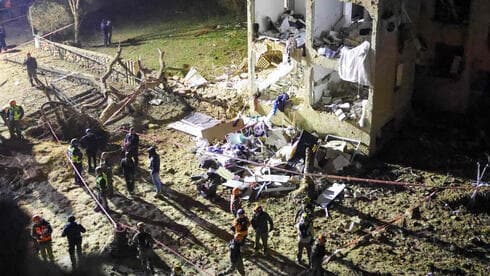
Iranian Missiles Strike Israel; Officials Report 180 Injured Amid Conflicting Casualty Figures.
12 sources compared