
Iran War Triggers U.S. Oil Shock, Pushing Gas Prices Higher
Key Takeaways
- Gas prices rise in the U.S. due to Iran war and tensions.
- Oil shock from Iran war is financially impacting Americans.
- Maryland gas prices surged, with calls for a gas tax suspension.
Market Shock Overview
The Iran war has triggered a severe global oil market shock, with international energy officials describing it as the most significant disruption since the 1973 oil crisis.
“When , Americans consider at least two important things: what the goals are overseas and its impact back home”
The conflict has caused critical energy infrastructure damage across multiple Middle Eastern nations, with attacks on oil and gas sites in the United Arab Emirates, Bahrain, Qatar, Kuwait and Jordan.
The Strait of Hormuz remains effectively closed, further disrupting global oil supply chains.
International Energy Agency Executive Director Fatih Birol stated that the volume of oil supply now offline is already higher than the supply lost during the oil shock of 1973.
Saudi oil officials now project oil prices could exceed $180 per barrel if the war continues into April.
Consumer Economic Impact
American consumers are experiencing direct economic pain from the oil shock, with gas prices rising steadily across the country.
The national average price for a gallon of regular gasoline has climbed from $2.93 one month ago to $3.91 currently, representing a dramatic 98-cent increase in just 30 days.
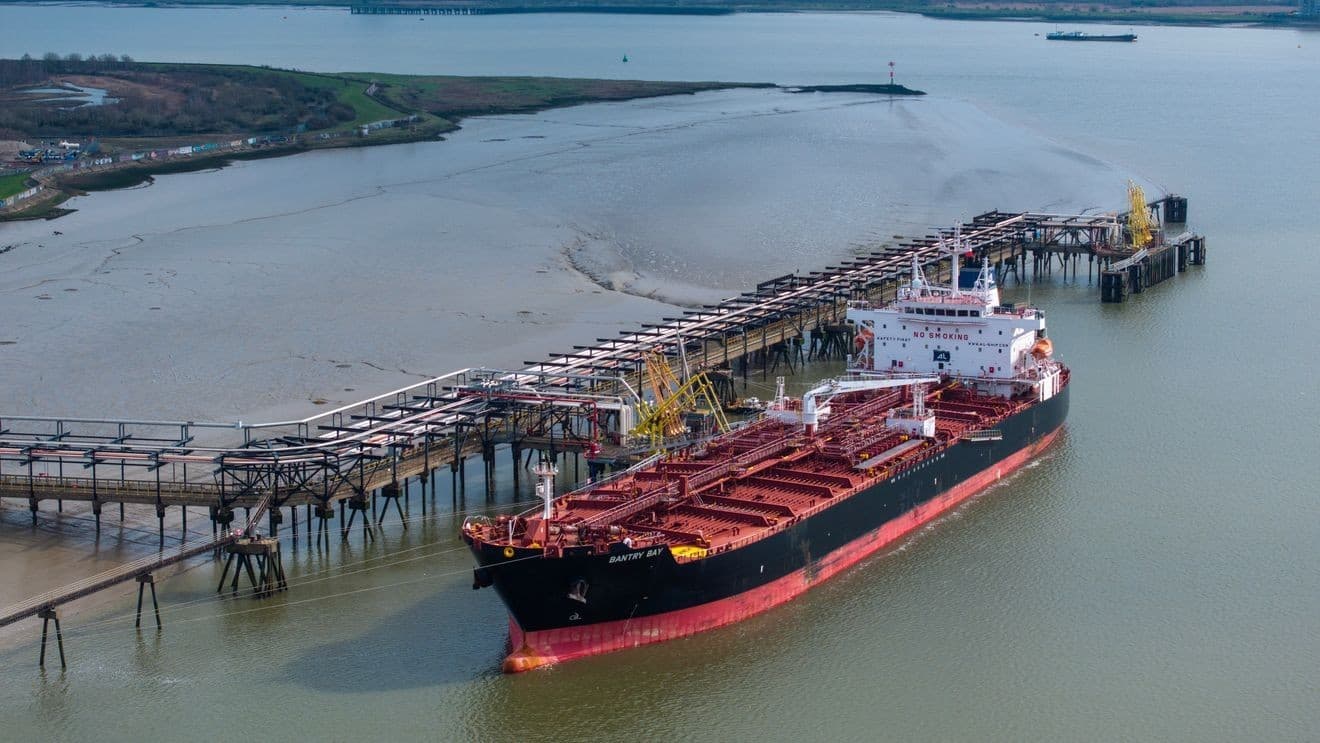
Maryland residents are particularly hard-hit, with the state's gas tax ranking seventh-highest in the U.S. at over 46 cents per gallon.
A Reuters/Ipsos poll reveals that 55% of Americans report the war's effect on gas prices has impacted their overall finances.
Nearly nine in ten Americans believe prices will continue to rise, according to polling data.
This widespread economic impact is creating financial stress for households across income levels.
Political Response Debate
The economic fallout has sparked intense political debate, particularly at the state level where officials face difficult choices between immediate relief and fiscal responsibility.
“Gas prices in Maryland havesurged in recent weeks, as global tensions and thewar in Irandrive costs higher”
Maryland Republicans are pushing for a 30-day gas tax suspension to provide immediate relief to consumers struggling with soaring prices.
Governor Wes Moore's administration and Democrats warn such a move could strain the state's finances.
This debate occurs as lawmakers work to finalize a $70.8 billion state budget that already faces a $1.4 billion shortfall.
The political divide reflects broader tensions across the country as officials grapple with addressing economic consequences.
President Trump continues to tout administration performance, claiming 'we're doing extremely well in Iran' despite clear evidence of economic pain for most Americans.
Public Opinion Trends
American public opinion toward the Iran war shows growing disapproval and confusion about U.S. objectives, creating a significant gap between the administration's messaging and public understanding.
A CBS News poll indicates that disapproval of U.S. military action in Iran has grown since the start of the war.
The longer people believe the conflict will last, the greater their disapproval becomes.
Most Americans view this as 'a war of choice, not a war of necessity,' according to polling data.
Just over a third believe the conflict will make the U.S. safer even in the long term.
There's widespread uncertainty about U.S. goals, with fewer people believing the administration has clearly explained objectives.
While MAGA Republicans remain supportive of both Trump and the military action, broader public opinion shows deep skepticism.
Global Economic Impact
The global economic implications of the Iran war's oil shock extend far beyond American consumers, with international experts warning of lasting damage to the world economy.
“Poll: Majority of Americans financially impacted by Iran war oil shock WASHINGTON (TNND) — Before beginning his scripted remarks during an event with the Navy football team in the East Room of the White House on Friday, President Donald Trump said, “I want to start by saying we’re doing extremely well in Iran”
The unprecedented nature of this oil disruption - described by the International Energy Agency as exceeding the 1973 oil crisis in scale - threatens to trigger inflationary pressures worldwide.
The closure of the Strait of Hormuz, through which approximately 20% of global oil supplies normally pass, has created a supply crisis that could persist for months.
Saudi Arabia's oil officials have expressed particular concern about the price trajectory.
Projections suggest $180+ per barrel oil prices could become reality by April if the war continues.
This scenario would have devastating effects on developing nations that rely heavily on energy imports.
The situation could further destabilize already fragile global economic recovery efforts.
More on Iran

President Trump Says Iran Deal Within Reach Amid Talks With Senior Iranian Official
10 sources compared

Trump Approves Iran Operation After Netanyahu Presses for Joint Strike on Khamenei
12 sources compared

President Donald Trump orders ICE officers deployed to airports amid DHS shutdown.
227 sources compared

Iranian Missiles Strike Israel; Officials Report 180 Injured Amid Conflicting Casualty Figures.
12 sources compared