Full Analysis Summary
Iran diplomatic warning in Paris
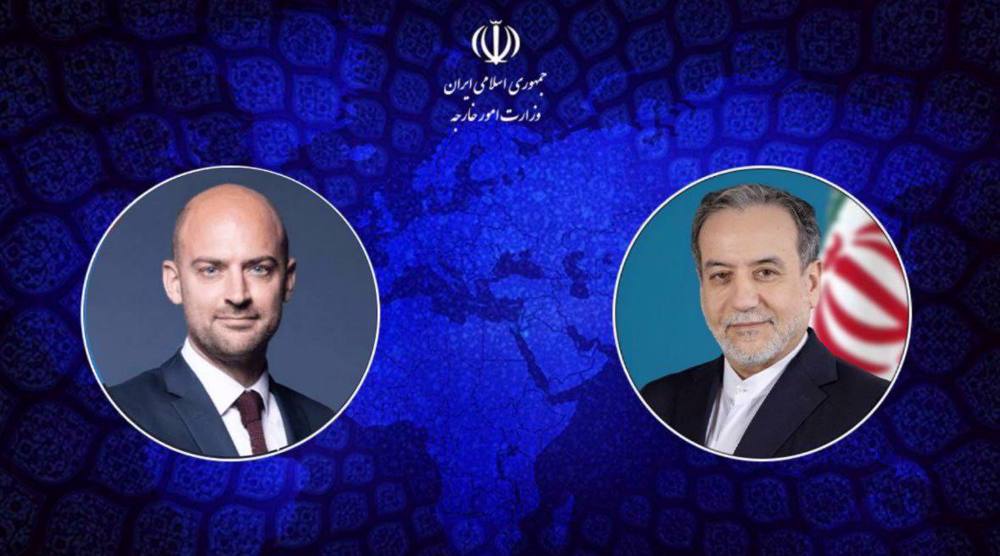
Iran's deputy foreign minister Abbas Araghchi, speaking in Paris at a meeting with his French counterpart Jean-Noël Barrot, warned Iran's adversaries to abandon what he called "overreaching and bullying" tactics and said they must be held accountable.
He cited the U.S. withdrawal from the 2015 JCPOA.
He described an "illegal, unprovoked June attack by Israel and the U.S. on Iran's safeguarded nuclear sites" as an example of such behavior.
He reiterated Tehran's legal right to peaceful nuclear energy and its willingness to engage in serious negotiations for assurances.
Araghchi also emphasized that Iran will not tolerate violations of its sovereignty.
Coverage Differences
Missing comparison sources / single-source perspective
Only PressTV (West Asian) coverage is available for this story. Because no Western Mainstream or Western Alternative sources were provided, direct contrasts in framing, tone, or emphasis between different source types cannot be drawn. The content we have is PressTV’s own reporting of Araghchi’s remarks: it presents the quotes attributed to him (e.g., the “overreaching and bullying” line), describes the U.S. JCPOA withdrawal and the alleged June attack as examples, and frames Iran as asserting legal rights and openness to negotiations. Without other source texts, we cannot validate whether other outlets would label the June incident differently, give alternative context for the JCPOA withdrawal, or emphasize different diplomatic reactions.
Iran diplomacy in Paris
Araghchi delivered his remarks in a bilateral setting in Paris, signaling active diplomacy even as Tehran levels stern warnings.
The meeting with French counterpart Jean-Noël Barrot was used to press for assurances and to underscore Iran’s position that international bodies such as the IAEA should act independently and in accordance with international law and the Nuclear Non‑Proliferation Treaty (NPT).
He also criticized the UK, France and Germany for pushing measures against Iran at the U.N. Security Council and the IAEA, urging those agencies to resist politicization.
Coverage Differences
Missing regional and alternative perspectives
Because only PressTV’s report is available, we cannot compare how European or Western mainstream outlets might frame the Paris meeting (for example, whether they would highlight French diplomatic efforts to de‑escalate, or emphasize Iran’s accusations against the E3). PressTV frames the event as Iran insisting on agency independence and resisting perceived politicization; without other sources, we cannot assess differences in emphasis on diplomatic channels versus allegations of misconduct by Western states.
Tehran's regional posture
Beyond nuclear diplomacy, PressTV's account emphasizes Tehran's regional concerns.
Araghchi condemned Israeli actions against Palestinians and Lebanese and called for protection of Palestinian rights and state sovereignty.
The statement frames Iran's warnings as part of a broader critique of Israeli policies and expresses solidarity with Palestinians and Lebanese.
Coverage Differences
Tone and regional emphasis (unable to contrast)
With only the West Asian PressTV source, we see a clear regional emphasis—linking Iran’s nuclear and sovereignty grievances to Palestinian and Lebanese issues. Absent Western Mainstream or Alternative reporting in the provided materials, we cannot show how other outlets might balance or separate Iran’s nuclear claims from its regional political critiques; PressTV’s framing ties them together as part of a continuity of Iranian grievance and advocacy.
Iran's Assertive Diplomatic Tone
The reported remarks are assertive: Iran frames its demands in legal terms (the right to peaceful nuclear energy and the NPT), accuses others of illegal actions, and calls for accountability while offering negotiations and consultations.
PressTV highlights both confrontational language—phrases like 'overreaching and bullying' and 'must be held accountable'—and the diplomatic overture of willingness to negotiate and continue bilateral consultations, portraying Tehran as both defiant and open to dialogue.
Coverage Differences
Narrative balance (certainty about dual-track posture)
Because only PressTV’s reporting is available, the presentation of Iran as simultaneously defiant and open to negotiations is a single-source narrative. We cannot compare whether other outlets would emphasize one side more than the other (e.g., portray Iran as primarily conciliatory/diplomatic or primarily confrontational). PressTV’s text itself contains both elements: allegations of illegal acts and an insistence on legal rights plus an offer to negotiate.