
Iran Warns Israeli Attack on Beirut Triggers Full-Scale Resumption With U.S.
Key Takeaways
- CIA/US intelligence says Iran can withstand Hormuz blockade for months.
- CIA analysis shows Iran retains about 70% of its missiles.
- Ceasefire talks remain fragile with no tangible progress.
Talks stall, Lebanon flares
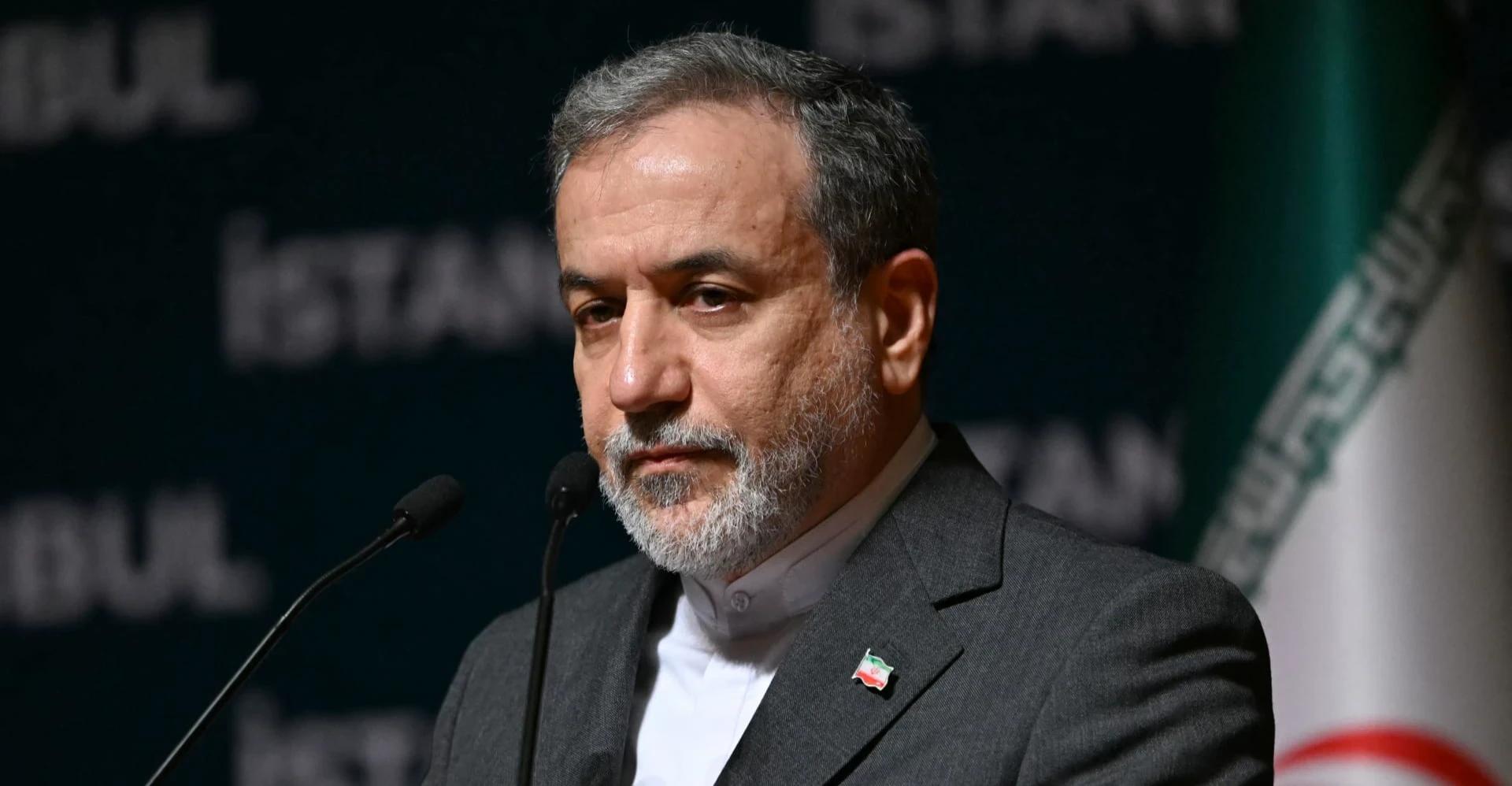
Iran’s negotiations with the United States showed “no tangible progress,” Iranian Foreign Minister Abbas Araghchi said, while warning that any Israeli attack on Beirut would trigger a “full-scale resumption” of the U.S.-Iran conflict.
In Lebanon, the Israel-Lebanon ceasefire renewal was contingent on Iran-backed Hezbollah ceasing fire and on Hezbollah operatives leaving part of southern Lebanon, but Hezbollah rejected the truce that included “pilot” security zones inside Lebanon where the Iranian-backed militant group would be banned.
The dispute over ceasefire terms unfolded as Israeli strikes continued in southern Lebanon, with CBS News reporting that overnight strikes killed seven people in the city of Tyre, citing a source from Lebanon’s civil defense.
Lebanon’s state-run National News Agency reported mass displacement from villages named in Israeli warnings, and CBS News said it subsequently reported a strike on one of the villages, Arqoun.
Against that backdrop, the U.N. said its aid appeal for Lebanon had been more than doubled to nearly $640 million over six months, warning that “The humanitarian crisis in Lebanon is severe and deteriorating.”
War powers and visas
In Washington, the U.S. House approved a war powers resolution to halt U.S. military action against Iran, with the roll call recorded as 215-208, and House Democratic Leader Hakeem Jeffries of New York saying, “This reckless and costly war of choice needs to end today.”
House Speaker Mike Johnson said he spent three hours at the White House with President Donald Trump as Trump called on allies to help reopen the Strait of Hormuz for commerce, and Johnson said, “The entire world has an interest in the Strait of Hormuz being reopen for commerce.”

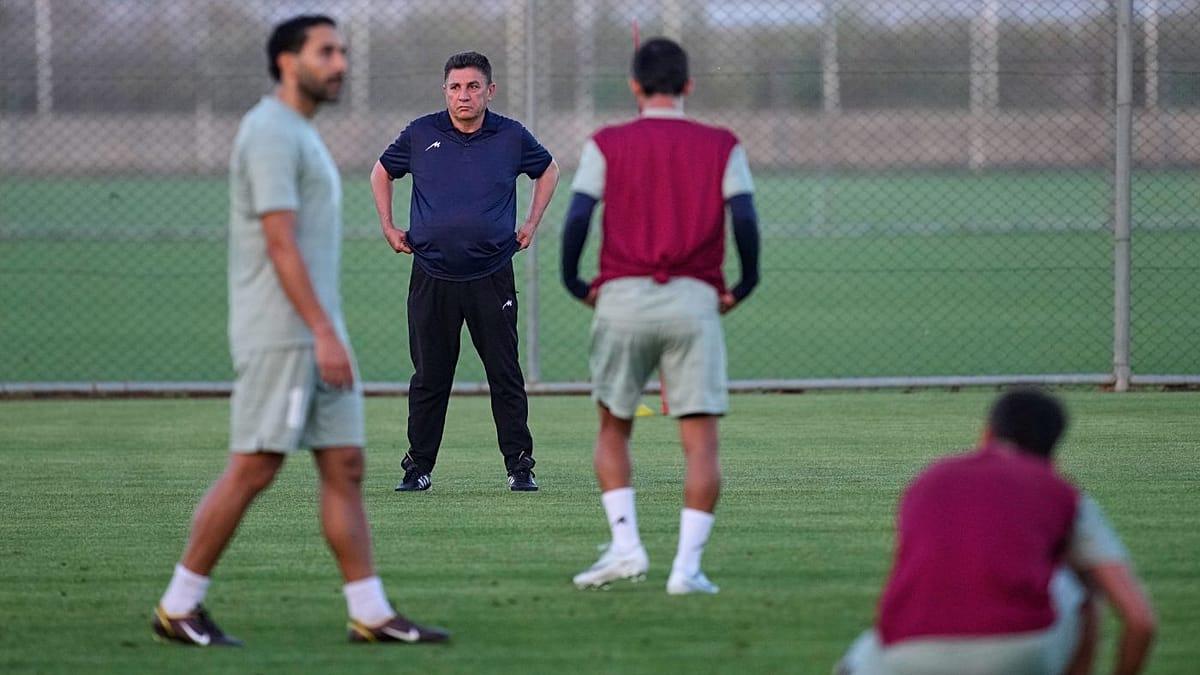
Separately, Reuters reported that a White House official told Reuters that players on Iran’s World Cup soccer team had received their visas to travel to the United States, with the visas granted overnight after Iran’s ambassador to Mexico, Abolfazl Pasandideh, said late on June 4 that the team had not received required allowances.
The Reuters report said Iran switched the team’s planned training base from Tucson, Arizona, to Tijuana, Mexico, due to visa issues, and that the team was scheduled to fly from Turkey to Spain on June 6 before traveling on to Tijuana, most likely on June 7.
An update in the same Reuters item said U.S. Ambassador to Turkey Tom Barrack confirmed in a message on X on June 5 that Iran’s soccer squad had been granted visas to play in the World Cup.
Assets, unity, and escalation
A senior Iranian official, Mohsen Rezaee, said in a CNN interview published by Kurdistan24 that the release of $24 billion in frozen Iranian assets remains central to negotiations, describing it as a crucial test of trust and saying, “The ball is in Trump’s court.”
Rezaee said Iran is seeking a phased release, with $12 billion becoming available after an interim agreement and the remaining $12 billion released at a later stage, while warning that a breakdown could lead to renewed instability beyond the Persian Gulf.
In a separate account of the assets issue, Iran’s frozen funds were described as including oil revenues accumulated in foreign banks after the United States withdrew from the 2015 nuclear agreement in 2018, with Iranian officials estimating that more than $100 billion in assets remain inaccessible.
Iran’s Supreme Leader Mojtaba Khamenei, in a message read during ceremonies marking the anniversary of the death of Ruhollah Khomeini, warned that the “enemy” was waging “hybrid war” focusing on “the people’s endurance and miscalculations by officials,” and called for national unity.
Khamenei also said, “Any action that causes public pessimism and disillusionment amounts to assisting the enemies of this country and its people,” as the message was framed around resisting pressure from the United States and Israel.
More on Iran
Iran Accuses United States of Blocking World Cup Staff Before 2026 Campaign
13 sources compared
Iran's Araghchi Rebukes Lebanon President Joseph Aoun, Urges Him to Confront Israel
25 sources compared
US Downs Seven Iranian Missiles Over Kuwait and Bahrain After IRGC Strikes US Bases
13 sources compared

Pentagon Raises Israel Espionage Threat To Critical Over Iran Negotiations, Targeting Steve Witkoff
10 sources compared