Iran-Israel19 January, 20262 min read
Iran Warns It Will Treat Any Attack On Supreme Leader Khamenei As Declaration Of War
This article is an automated aggregation of coverage from news outlets. Our editorials offer in-depth analysis curated by the NewsCord team.
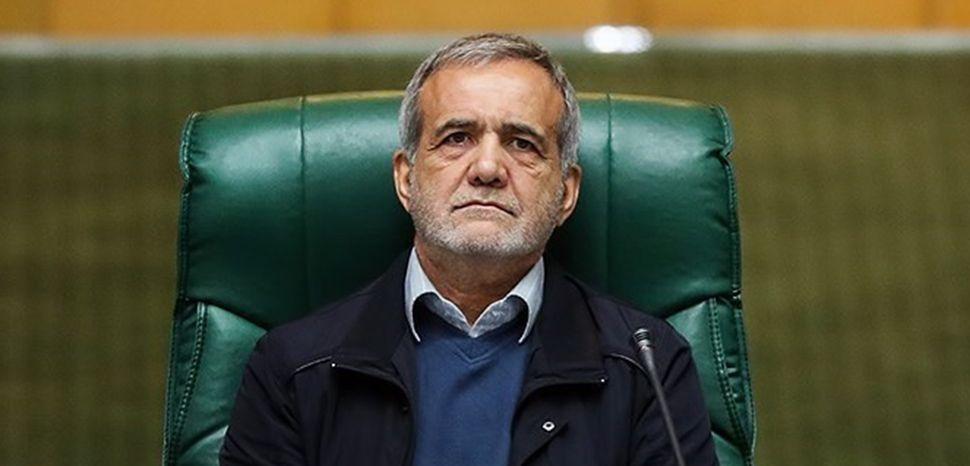
Iranian President Masoud Pezeshkian warned any attack on Ayatollah Ali Khamenei equals declaration of war Warning responded to U.S. President Donald Trump’s remarks and speculation about removing or targeting Khamenei

20 outlets told this the same way.
Outlets did split on U.S. Intercepts Iran Message Activating Sleeper Cells After U.S.-Israel Strike Kills Khamenei →
Iran warning after Trump remarks
Iranian President Masoud Pezeshkian warned on X that any attack on Supreme Leader Ayatollah Ali Khamenei would be 'tantamount to an all-out war'.
“Iranian President Pezeshkian warned that any U.S. strike would provoke a ‘harsh and regrettable’ response from Tehran and said an attack on Supreme Leader Ayatollah Ali Khamenei would be ‘tantamount to an all‑out war.’”
He promised a 'harsh and regrettable' response to what he called unjust aggression.
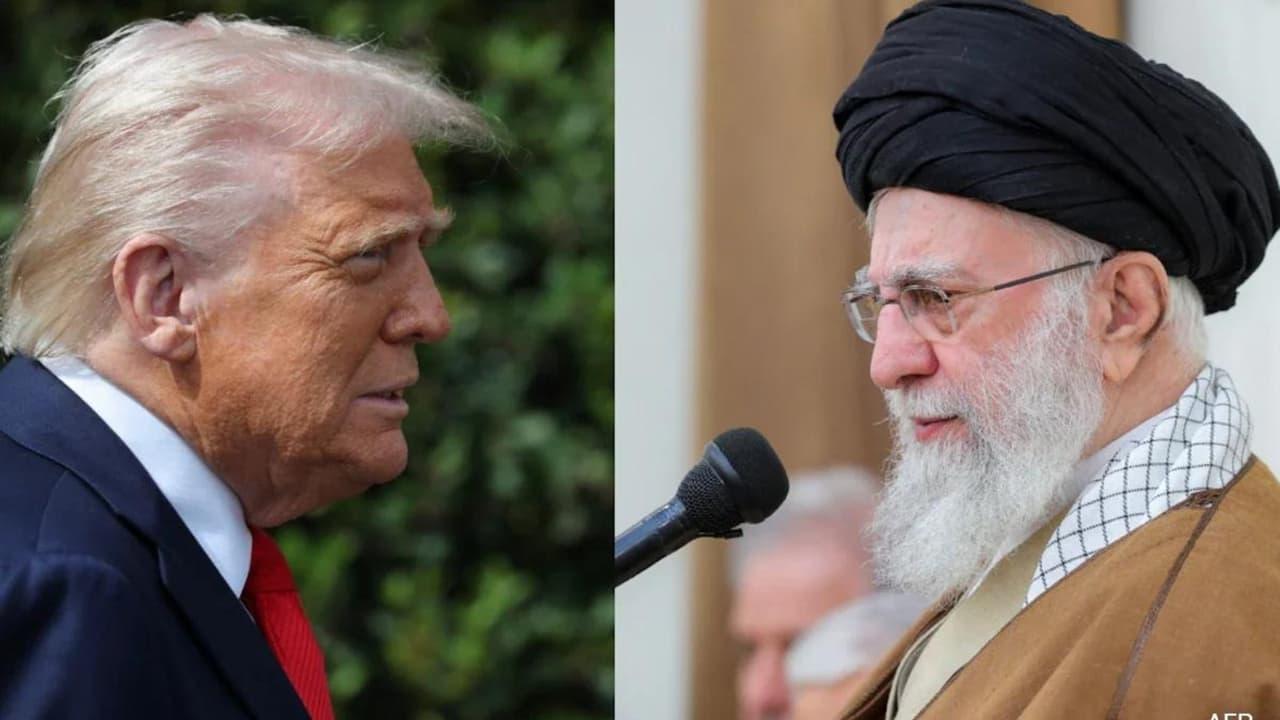
The statement was widely framed as a direct response to recent comments by former U.S. President Donald Trump urging 'new leadership' in Iran and suggesting possible intervention if protesters were harmed.
Several outlets relayed Pezeshkian's exact language and linked it to Trump's Politico interview calling for an end to Khamenei's nearly 40-year rule.
Observers said the remarks marked a serious escalation in Tehran's rhetoric amid nationwide unrest.
Protests and casualty estimates
The warning comes amid a wave of nationwide protests that began in late December over economic hardship and have widened into broad anti-government demonstrations. Reports across outlets document sharply different casualty and arrest figures, underscoring disputed estimates of the crackdown's human cost.
Official and semi-official tallies vary, with a regional Iranian official cited by Reuters putting the death toll at about 5,000, including roughly 500 security personnel. Rights groups and a Sunday Times doctors' report offer differing figures, with HRANA reporting 3,308 (later 3,919) deaths and the Sunday Times report claiming at least 16,500 protesters killed and 330,000 injured.
Internet restrictions during protests
Information flow inside Iran has been heavily disrupted. Multiple outlets report a roughly 10-day nationwide internet blackout that began in early January, followed by a partial and heavily filtered restoration that hampered independent verification of events on the ground. Monitors and reports cited across the coverage say services were cut and later returned in stages, corresponding with limited external reporting and allegations that the government sought to control the narrative as security forces suppressed demonstrations.
“Internet access in Iran was disrupted again after a brief, heavily filtered restoration of limited services, Netblocks said, reducing the flow of on‑the‑ground updates.”
Media narratives on Iranian unrest
Tehran’s official narrative, reflected in many regional and Asian outlets, stresses U.S. hostility, sanctions, and foreign interference as root causes of the unrest and frames external criticism as provocation. Several sources quote Iranian officials blaming the United States and Israel for fomenting violence and linking sanctions to economic hardship. Western outlets report these claims but typically juxtapose them with rights groups’ accounts of state repression, concerns about prosecutions and executions, and the use of harsh charges like moharebeh (meaning 'waging war against God').
Protests: domestic and international
The international and domestic fallout includes hacked state TV broadcasts urging security forces not to fire on protesters.
“Hackers briefly disrupted Iranian state television satellite broadcasts early Monday, airing footage backing the country’s exiled crown prince and urging security forces not to 'point your weapons at the people.'”
It also includes widespread arrests and threats of swift trials.

Vocal calls abroad have emerged both in solidarity with demonstrators and for tougher responses.
Activists staged rallies in diaspora hubs while former U.S. President Trump renewed threats of intervention.
Coverage differs on emphasis, with some outlets highlighting hackers and diaspora rallies.
Other outlets focus on judicial warnings and alleged executions.
All coverage portrays an elevated risk of further escalation between Tehran and foreign critics as well as intensified domestic repression.