
Iran Warns UAE Over U.S. Bases, Citing Missile Strikes Near Manama
Key Takeaways
- Iran denies targeting the UAE, blames the United States for attacks.
- Iran condemns UAE hosting US bases and complicity with hostile powers.
- UAE reports new Iranian attacks amid rising Gulf tensions.
Bases, missiles, and retaliation
Iran’s conflict with the United States has been framed by multiple outlets around attacks tied to Gulf basing, with one report describing “Smoke rises after Iran carried out a missile strike on the main headquarters of the U.S. Navy’s 5th Fleet in Manama in retaliation against US-Israeli attacks.” The same account places U.S. forces across “Saudi Arabia, the United Arab Emirates, Qatar, Bahrain, Kuwait, and Oman,” and argues that Iranian strikes have “exposed the limits of American missile-defense systems.” In a separate report, Iran’s Foreign Ministry condemned the UAE for hosting U.S. military bases and equipment, saying Abu Dhabi’s rulers have adopted “a behavior that contradicts the very principle of good neighborliness.” The dispute is also linked to the Strait of Hormuz, where one account says the UAE claimed it had repelled “six Iranian missile attacks” while a separate report says the IRGC Navy warned vessels that “the only safe passage through the Strait of Hormuz is the corridor previously announced by the Islamic Republic of Iran.”
Gulf states diverge
Middle East Eye’s analysis argues that Gulf states face pressure from an “Israeli-Emirati axis,” warning that if U.S. Marines land on Iran’s islands in the Strait of Hormuz they would become “sitting ducks for drones and missiles.” It also describes opposition inside Washington to a regime-change approach, quoting that “Rubio called it bullshit, Ratcliffe called it a farce.” In a different account, Middle East Eye reported that the UAE told the United States it is prepared for a long Iranian war and quoted an American official saying Foreign Minister Sheikh Abdullah bin Zayed Al Nahyan told Marco Rubio that “the UAE is prepared for the war to continue for up to nine months.” The same report says Gulf states have taken different stances, noting that the UAE intercepting “341 ballistic missiles and 1,748 drones” contrasted with Qatar’s “Ras Laffan refinery” hit affecting “17 percent of its gas production.”
Ceasefire day and next moves
As the ceasefire between Iran and the United States entered its “twenty-eighth day,” one report says tensions in the Strait of Hormuz peaked and the United Arab Emirates claimed to have repelled “six Iranian missile attacks.” It also quotes Marco Rubio announcing that Washington would propose a draft resolution in the Security Council to defend freedom of navigation, adding that the draft calls for “stopping attacks, for Iran to refrain and to collect tolls in the Strait of Hormuz.” The same report includes a warning from the KHATAM AL-ANBIYA Central Command that “If any action against Iranian islands, ports and shores is taken from Emirati soil, we will deliver a crushing and remorseful response.” In parallel, the Middle East Monitor account says Iran has made “the expulsion of American forces one of its stated demands,” while the UAE Foreign Minister Sheikh Abdullah bin Zayed is quoted saying “What we witnessed was not a neighborly disagreement. It was a deliberate assault on the sovereignty and economic vitality of our nations.”
More on Iran
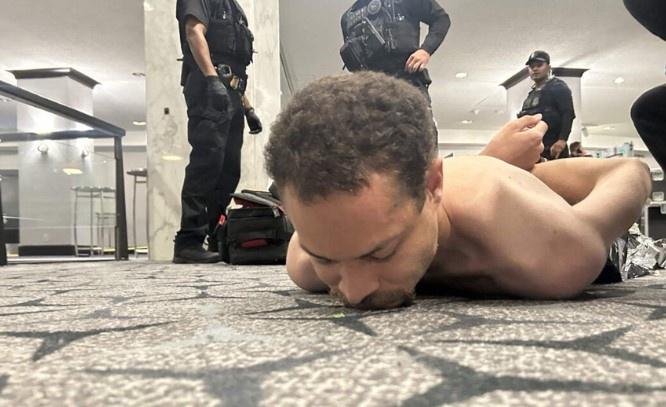
Trump Threatens Iran With Higher-Level Strikes as U.S. Pauses Project Freedom in Strait of Hormuz
21 sources compared
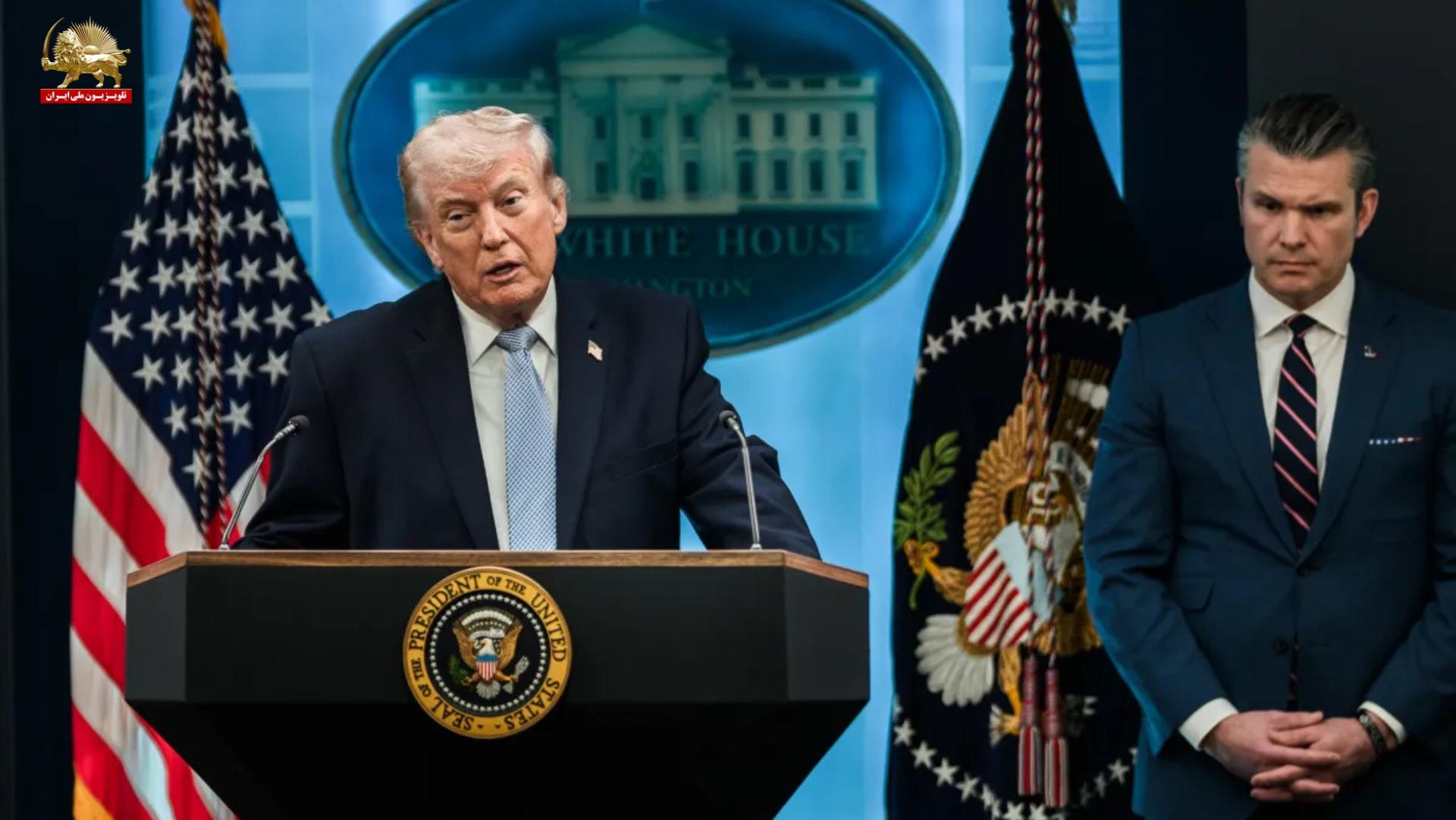
US and Iran Near One-Page MOU to End War, White House Expects Iran Response in 48 Hours
17 sources compared
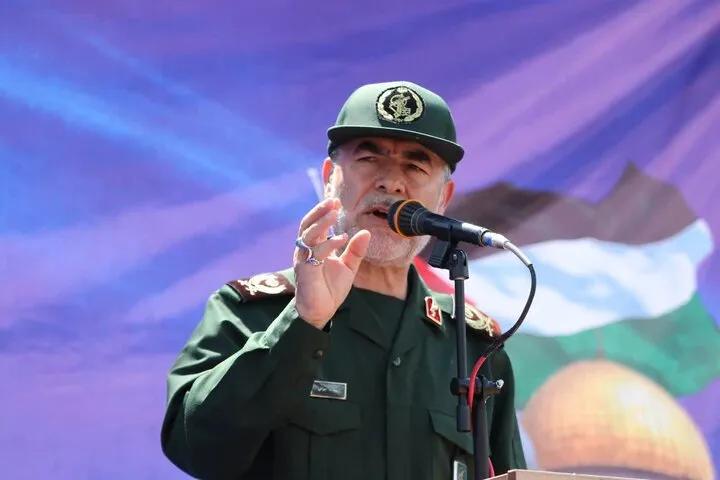
IRGC Navy Says Strait Of Hormuz Safe Passage Will Be Ensured If Threats Neutralized
13 sources compared
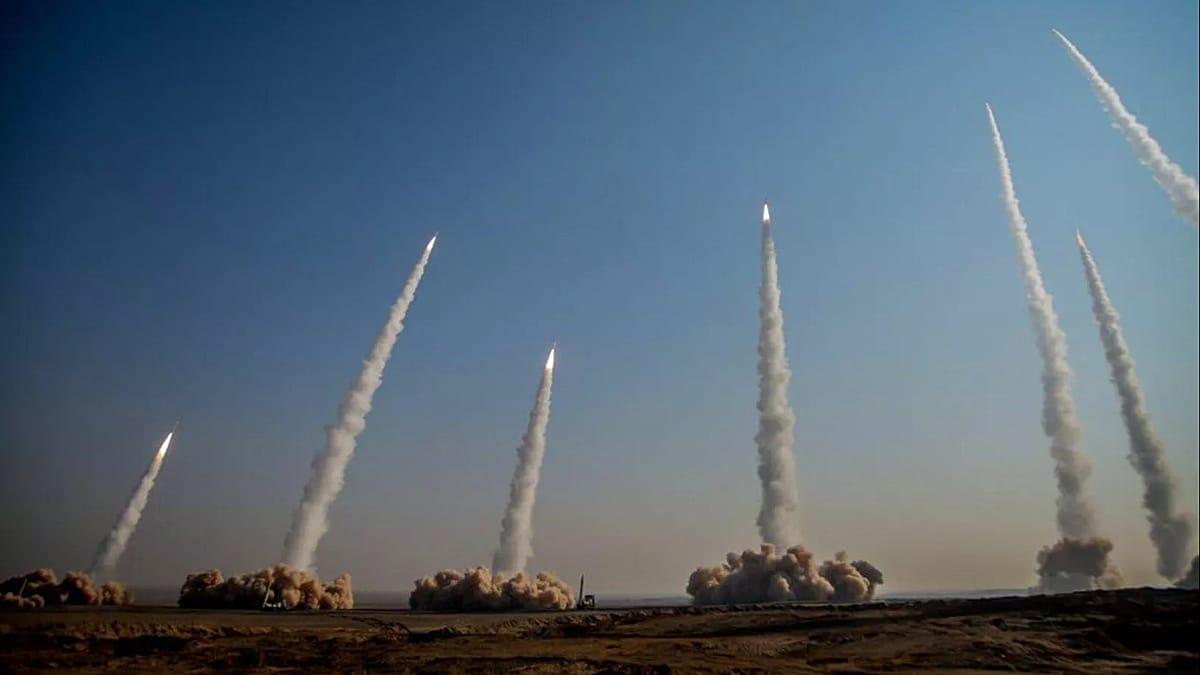
Thirty U.S. Democrats Demand Marco Rubio Acknowledge Israel’s Undeclared Nuclear Weapons Program
21 sources compared