
IRGC Navy Says Strait Of Hormuz Safe Passage Will Be Ensured If Threats Neutralized
Key Takeaways
- IRGC Navy says Hormuz passage guaranteed once aggressor threats are neutralized.
- Ships are complying with new Hormuz transit regulations.
- Transit requires Iran's permission; only IRGC may authorize passage.
Hormuz Transit Pledge
Iran’s Islamic Revolutionary Guard Corps (IRGC) Navy said safe passage through the Strait of Hormuz would be ensured if “the aggressor’s threats” are neutralized and “new protocols” are in place.
“Iran says ships complying with new Hormuz transit regulations IRGC Navy says ‘safe, stable passage’ through strait will be ensured under new protocols Şahin Demir 06 May 2026•Update: 06 May 2026 Istanbul Iran’s Islamic Revolutionary Guard Corps (IRGC) Navy said Wednesday ships are complying with new transit regulations set by Tehran in the Strait of Hormuz”
In an IRGC post on X on Wednesday, the force thanked captains and shipowners in the Persian Gulf and Gulf of Oman for complying with Iran’s Strait of Hormuz regulations.

The IRGC said, “With aggressor’s threats neutralized & new protocols in place, safe, stable passage through the Strait of Hormuz will be ensured.”
The announcement came hours after the United States suspended a short-lived naval escort operation through the waterway, with the IRGC framing the change as conditioned on Iran’s own procedures.
Designated Corridor and Warnings
Iran’s IRGC Navy also tied transit to compliance with designated routes, warning that deviations would be treated as unsafe and could prompt “decisive action.”
Anadolu Ajansı reported that the IRGC Navy urged vessels to use only designated routes when transiting the Strait of Hormuz, and said on X that “any deviation would face firm action.”
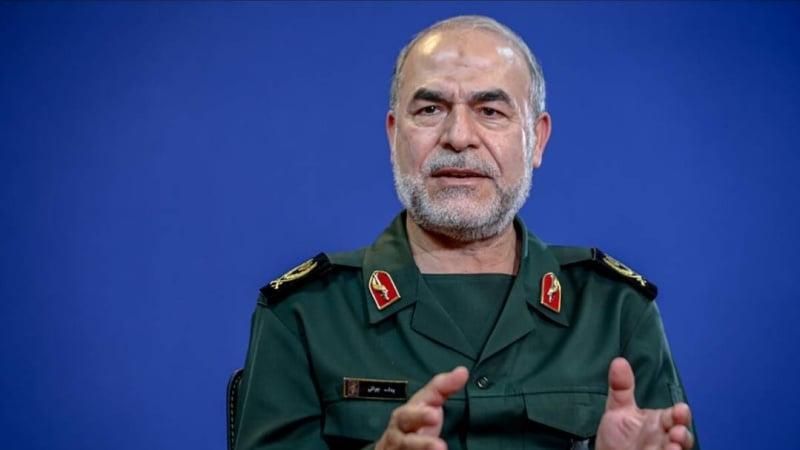
The Economic Times quoted the IRGC warning that “the only safe route to pass through the Strait of Hormuz is the corridor previously announced by Iran.”
In a separate account, Anadolu Ajansı said the IRGC deputy for political affairs, Yadollah Javani, stated that maritime transit would take place only with Iran’s authorization and that any vessel seeking to pass must obtain permission from Iran’s armed forces.
Diplomacy, Blockade, and Standstill
The IRGC’s transit message arrived as the United States continued a blockade of Iranian ports while pausing Project Freedom, with the Whistler Newspaper saying Washington expected a response from Tehran within 48 hours on key points of a proposed agreement.
“Tehran, IRNA – The Islamic Revolution Guards Corps (IRGC)’s Navy Force has announced that the safe passage through the Strait of Hormuz will be ensured if the aggressor’s threats are neutralized”
The Whistler Newspaper also reported that Iran’s Foreign Minister Abbas Araghchi traveled to Beijing on Wednesday for talks with his Chinese counterpart Wang Yi, with China calling a complete cessation of hostilities a matter of “utmost urgency.”
The Jerusalem Post reported that on Monday there were “no signs of increased vessel traffic through the Strait,” and said Hapag-Lloyd stated transit for its vessels remained impossible due to a lack of clarity over secure passage procedures.
It added that BIMCO’s Jakob Larsen said, “Without consent from Iran to let commercial ships transit safely through the Strait of Hormuz, it is currently not clear whether the Iranian threat to ships can be degraded or suppressed.”
More on Iran
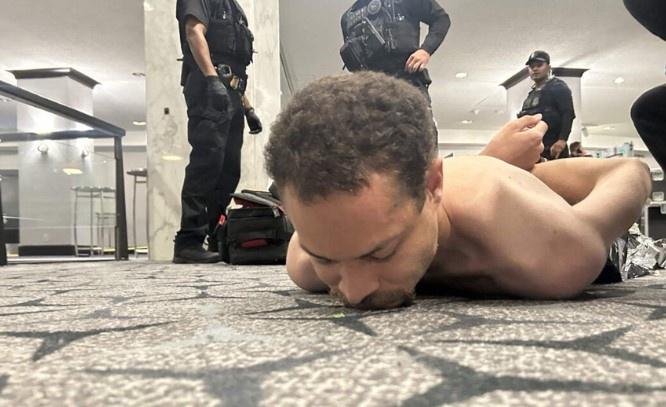
Trump Threatens Iran With Higher-Level Strikes as U.S. Pauses Project Freedom in Strait of Hormuz
21 sources compared
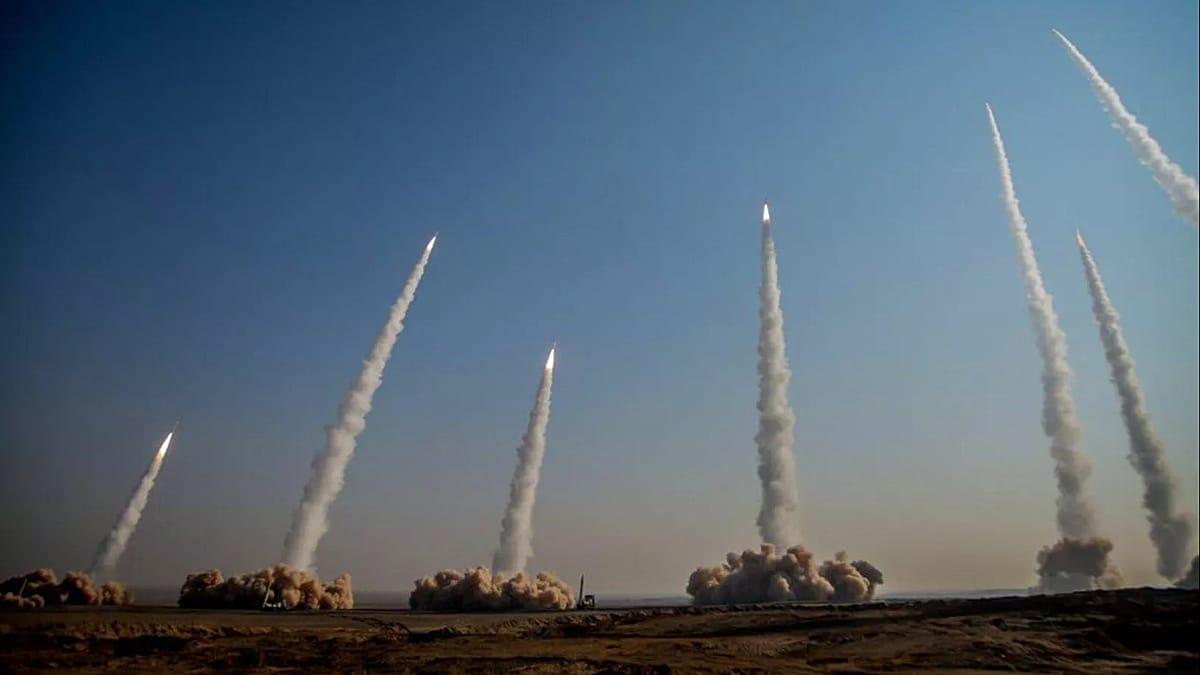
Thirty U.S. Democrats Demand Marco Rubio Acknowledge Israel’s Undeclared Nuclear Weapons Program
21 sources compared
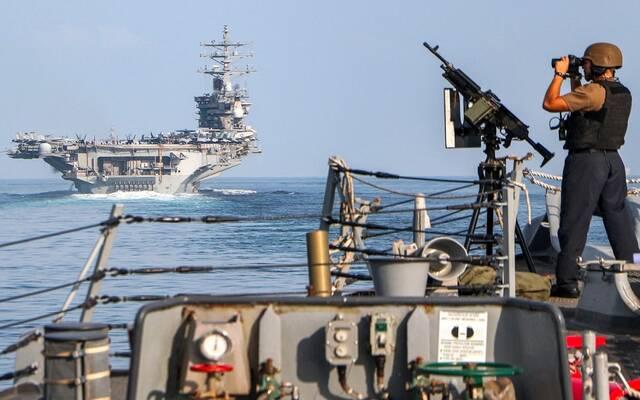
U.S. Navy F/A-18 Super Hornet Disables Iranian-Flagged M/T Hasna After Blockade Breach Attempt
26 sources compared

Iranian Airstrikes Damage Or Destroy 228 Structures at U.S. Bases, Washington Post Satellite Review Finds
12 sources compared