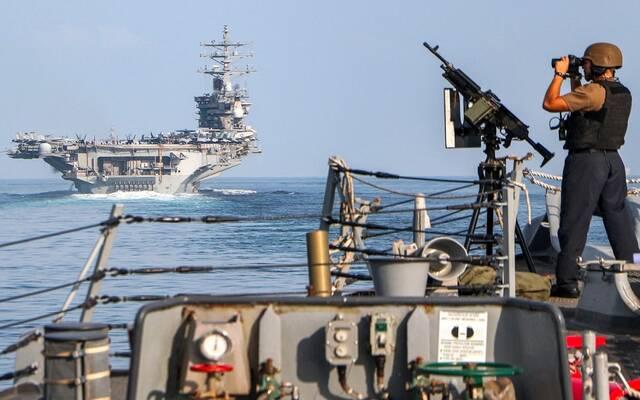
U.S. Navy F/A-18 Super Hornet Disables Iranian-Flagged M/T Hasna After Blockade Breach Attempt
Key Takeaways
- U.S. forces fired on and disabled the Iranian-flagged M/T Hasna in the Gulf of Oman.
- Hasna attempted to breach blockade on May 6, 2026, en route to an Iranian port.
- Warnings were issued before action, and the rudder was struck by an F/A-18.
Hasna Disabled
The U.S. military disabled an Iranian-flagged unladen oil tanker, M/T Hasna, after it attempted to breach the U.S. naval blockade, according to U.S. Central Command. CENTCOM said the tanker transited in international waters toward an Iranian port on the Gulf of Oman and that the crew failed to heed multiple warnings. The U.S. disabled the tanker’s rudder by firing several rounds from a 20 mm cannon gun of a U.S. Navy F/A-18 Super Hornet launched from USS Abraham Lincoln. The Hill reported that “The U.S. blockade against ships attempting to enter or depart Iranian ports remains in full effect,” while WRAL said the fighter jet shot out the rudder as the tanker tried to breach the blockade.
“US military says it fired on Iranian-flagged oil tanker in the Gulf of Oman after it tried to breach blockade US military says it fired on Iranian-flagged oil tanker in the Gulf of Oman after it tried to breach blockade ByThe Associated Press May 6, 2026, 5:25 PM 1:33 Headlines from ABC News LiveCatch up on the developing stories making headlines”
Trump Pressure, Tehran Review
The Hasna disabling came as President Donald Trump sought to pressure Tehran into reaching a deal to end the war, with the Islamic Republic saying it was reviewing the latest American proposals. WRAL quoted Trump’s threat that “If they don’t agree, the bombing starts,” as he tied any settlement to opening the Strait of Hormuz. The Hill reported that Trump warned the U.S. military could resume bombing inside the country if the deal falls through, and it also described Defense Secretary Pete Hegseth saying the Pentagon was ready to restart kinetic action if Iran would not “follow through.” WRAL added that a spokesman for the Iranian Foreign Ministry, Esmaeil Baghaei, told state TV that Tehran had “strongly rejected” U.S. proposals reported by Axios but was still examining the latest proposed agreement.
Blockade, Talks, and Fallout
CENTCOM said the blockade effort has already redirected 52 commercial vessels to turn around or return to port since it began last month, and the Hill described the Hasna incident as part of that enforcement. WRAL said the attack occurred as Iran and the U.S. are officially in a ceasefire, while Trump threatened a new wave of bombing if a deal is not reached that includes opening the critical Strait of Hormuz. The Hill reported that the disabling of Hasna came as the Trump administration announced the end of “Project Freedom,” an effort to escort tankers through the Strait of Hormuz, and it also said reports surfaced that Washington and Tehran are closing in on a framework of a deal. In parallel, WRAL reported that China’s foreign minister Wang Yi called for a comprehensive ceasefire after meeting Iran’s top envoy, saying his country was “deeply distressed” by the conflict.
More on Iran
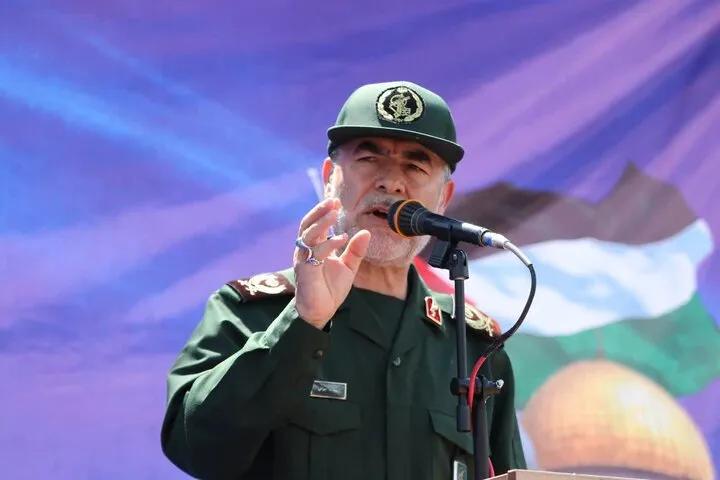
IRGC Navy Says Strait Of Hormuz Safe Passage Will Be Ensured If Threats Neutralized
13 sources compared
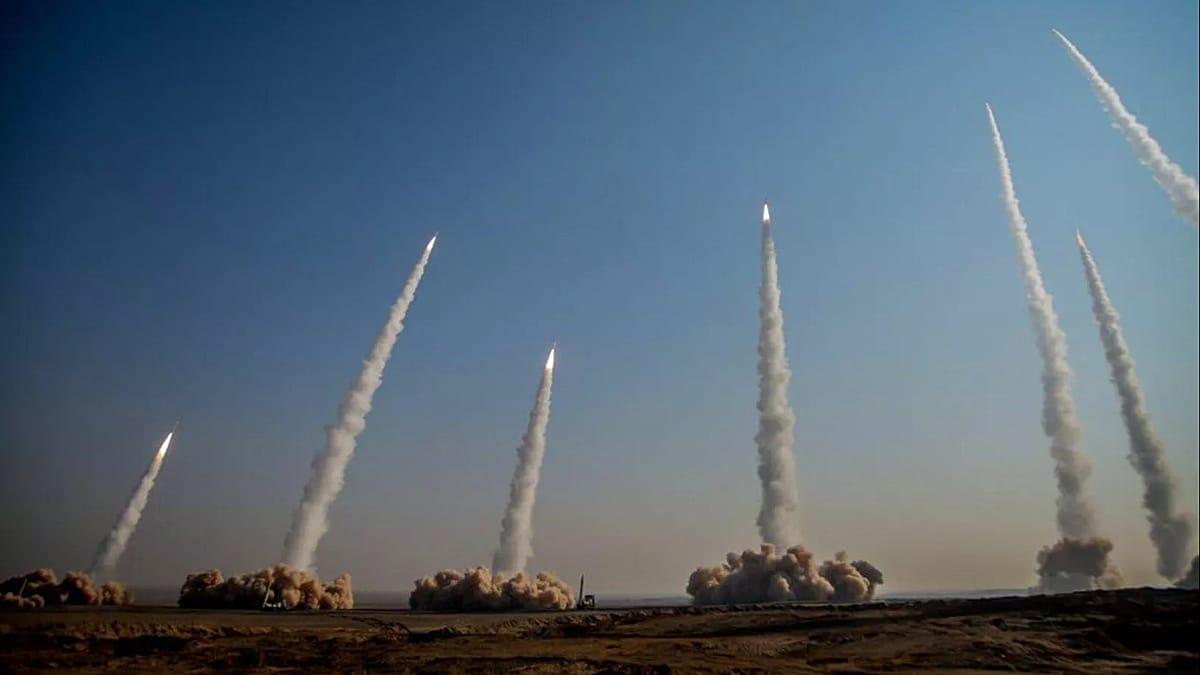
Thirty U.S. Democrats Demand Marco Rubio Acknowledge Israel’s Undeclared Nuclear Weapons Program
21 sources compared

Iranian Airstrikes Damage Or Destroy 228 Structures at U.S. Bases, Washington Post Satellite Review Finds
12 sources compared
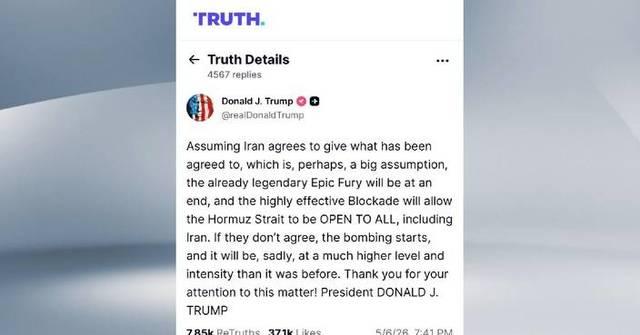
Trump Threatens Much Higher Bombing Against Iran If Peace Deal Is Not Reached
19 sources compared