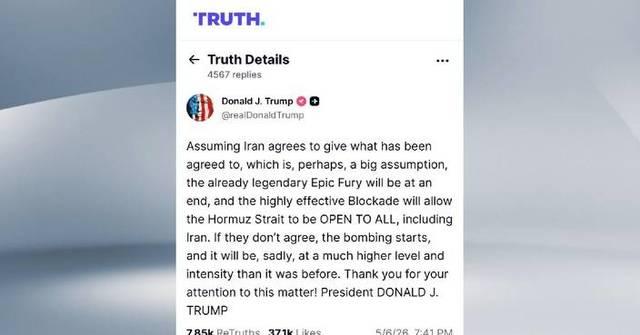
Trump Threatens Much Higher Bombing Against Iran If Peace Deal Is Not Reached
Key Takeaways
- Trump threatened to bomb Iran at a much higher level if no peace deal.
- The threat followed reported progress toward ending the war and reaching a peace agreement.
- Trump paused Hormuz operations during talks as negotiations progressed.
Ultimatum and talks
U.S. President Donald Trump threatened to intensify airstrikes against Iran if a peace deal is not reached, writing on Truth Social that "If they don't agree, the bombing starts" and warning it would be at a "much higher level and intensity than it was before." Tehran, through a senior military advisor to Iran's Supreme Leader, Mohsen Rezaei, said Iran would not let the United States exit the crisis without paying a price, adding that Tehran "will certainly obtain its rights and compensation." The United States and Iran are reportedly close to agreeing a one-page memo to end hostilities, with Axios reporting that the framework would include a moratorium on nuclear enrichment and U.S. lifting of sanctions. The same reporting also tied any deal to lifting restrictions on transit through the Strait of Hormuz, where the U.S. imposed a blockade after talks between Iranian and U.S. delegations in Islamabad on April 11-12 ended without an agreement.
“Trump threatens to bomb Iran at much higher level if peace deal not reached - Global Times WORLD / AMERICAS Trump threatens to bomb Iran at much higher level if peace deal not reached By Xinhua Published: May 06, 2026 08:42 PM US President Donald Trump said on Wednesday that if Tehran does not agree to a peace deal with Washington, US forces will resume bombing "at a much higher level and intensity than it was before"”
Reactions and conditions
As Trump paused a short-lived effort to guide ships through the Strait of Hormuz, Iran said it was reviewing a new proposal from Washington, while a Reuters source close to mediators in Pakistan said, "We will close this very soon. We are getting close." The BBC reported that expectations were tempered by Trump's own caveats, including his warning that a deal was a "big assumption" and that bombing would resume at a "much higher level and intensity" if it was not agreed. In parallel, Iran's most senior negotiator, Mohammad Bagher Ghalibaf, said in a voice message that Washington was seeking surrender through "a naval blockade, economic pressure and media manipulation." French President Emmanuel Macron told Masoud Pezeshkian that attacks on Emirati civilian infrastructure and ships near the Strait of Hormuz were "unjustified," and called on both the U.S. and Iran to immediately lift the blockade without any conditions.
What is at stake
The stakes of the next steps are framed in the sources as both military and economic, with the Strait of Hormuz central to shipping and energy flows. The Hill reported that Iranian military threats against commercial vessels from nonallied countries and the laying of mines in the strait, including on April 23, coincided with oil and gas price increases, while it also said the U.S. Navy began a blockade of Iranian ports last month and later started to escort ships. Reuters reported that Iran was reviewing the U.S. proposal to end the war while key demands remained unaddressed, keeping the outcome uncertain even as negotiations were described as close. In the event of failure, Trump reiterated that "the bombing starts" and that it would be at a "much higher level and intensity than it was before," while the BBC noted Trump said it was "too soon" to send senior U.S. officials for another in-person round of talks in Islamabad.
“Skip to main content May 5, 2026 - World Trump suspends Hormuz operation, claims progress on Iran deal Barak Ravid email (opens in new window) sms (opens in new window) facebook (opens in new window) twitter (opens in new window) linkedin (opens in new window) bluesky (opens in new window) Add Axios as your preferred source to see more of our stories on Google”
More on Iran
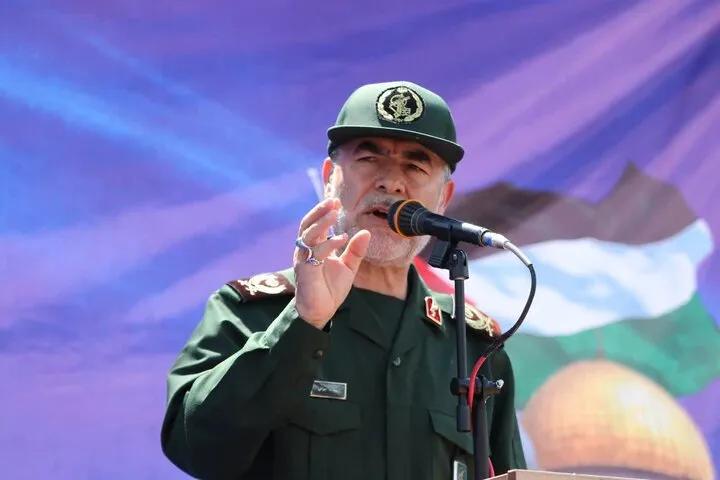
IRGC Navy Says Strait Of Hormuz Safe Passage Will Be Ensured If Threats Neutralized
13 sources compared
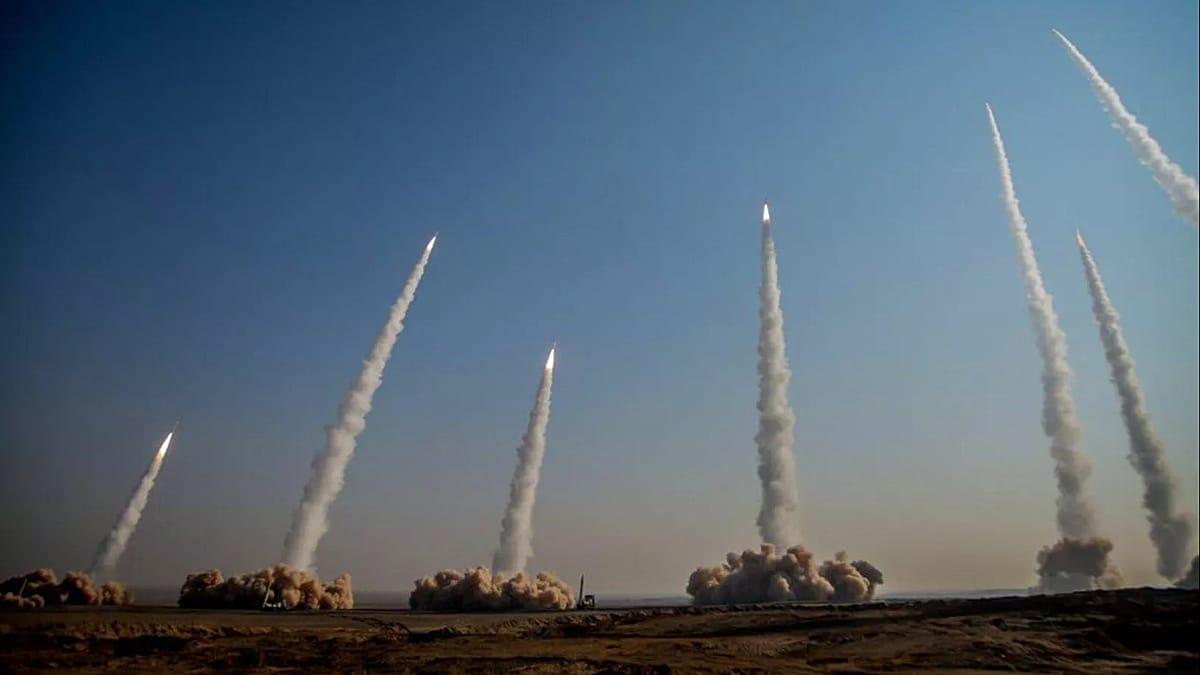
Thirty U.S. Democrats Demand Marco Rubio Acknowledge Israel’s Undeclared Nuclear Weapons Program
21 sources compared
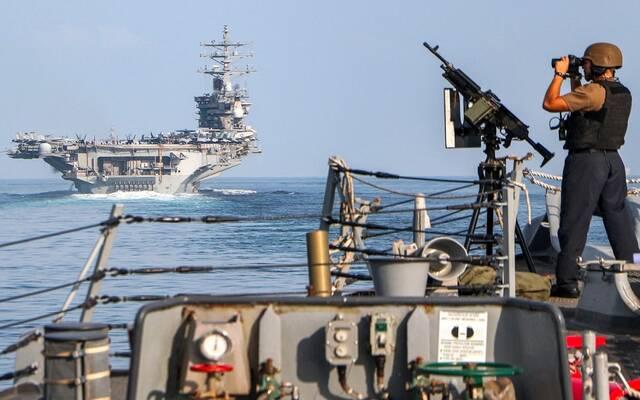
U.S. Navy F/A-18 Super Hornet Disables Iranian-Flagged M/T Hasna After Blockade Breach Attempt
26 sources compared

Iranian Airstrikes Damage Or Destroy 228 Structures at U.S. Bases, Washington Post Satellite Review Finds
12 sources compared