Full story
Caspian strike sparks retaliation
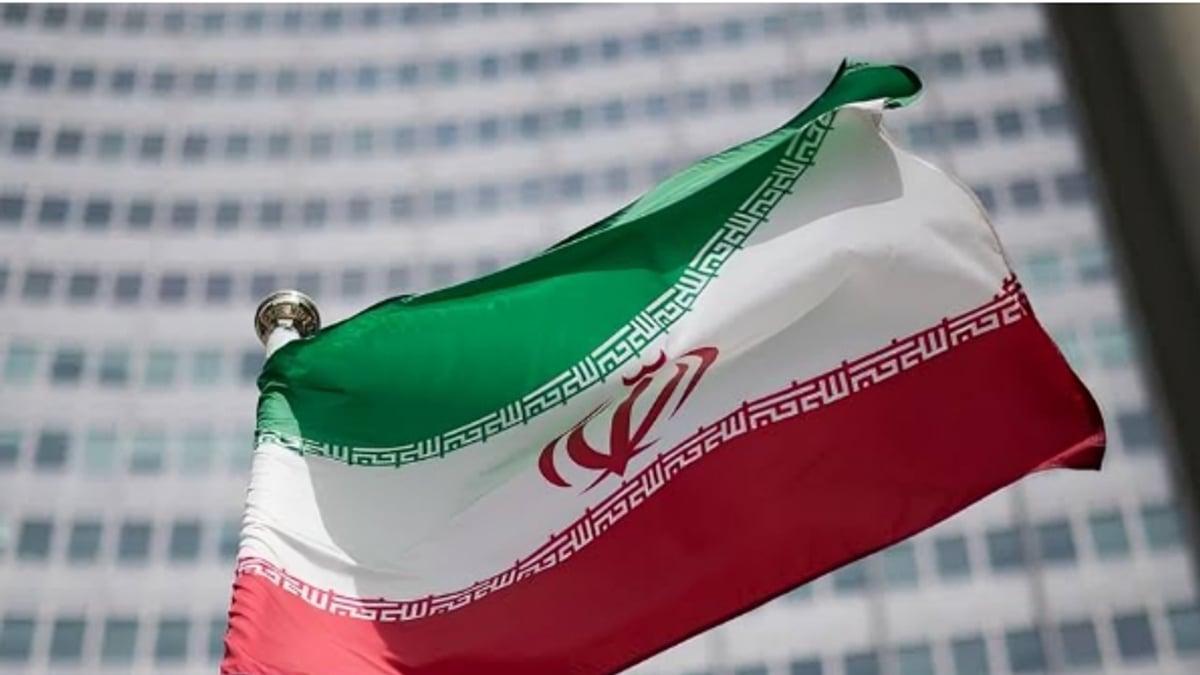
Iran warned Ukraine of retaliation after a Ukrainian attack on an Iranian commercial vessel in the Caspian Sea, with Iran’s Foreign Minister Abbas Araghchi saying the strike “cannot go unanswered” and calling it a violation of the United Nations Charter.
Araghchi said the attack on Saturday caused the commercial vessel “to explode, killing one sailor and injuring several others,” according to Iran’s Ministry of Foreign Affairs, while Ukraine said it had targeted a Russian warship and vessels used for transporting Iranian-linked military cargo in the Caspian Sea.
Ukraine’s President Volodymyr Zelenskyy said on X that Ukraine achieved “very strong results” with long-range strikes in the Caspian Sea, including against “vessels used in military cargo shipments involving Iran, as well as a warship.”
Iran summoned Ukraine’s charge d’affaires in Tehran over the strike, protesting what it called a “hostile and criminal act,” and Russia’s Foreign Minister Sergey Lavrov offered condolences over the sailor’s death while stressing the need to “put an end to such adventures by the Kyiv regime.”
Threats, summoning, and messaging
Iran’s Foreign Ministry spokesman Esmail Baghaei said, “Ukraine’s dangerous adventurism will certainly not go unanswered by us,” as the Ukrainian Chargé d’Affaires in Tehran was summoned to the foreign ministry over the incident.
In a post on X early on Monday, Ebrahim Azizi, head of parliament’s National Security and Foreign Policy Commission, warned, “Any attack on Iran always comes with a cost, and that remains true today; the US and Israel are well aware of this.”

Ukraine’s messaging framed the strikes as part of long-range capability, with Zelenskyy writing that targets included “ships that were involved in transporting military cargo from Iran, as well as a warship,” and CNN reported that Ukraine’s security service subsequently identified a Russian missile boat.
CNN also reported Iran’s counterclaim that one of its commercial vessels carrying a cargo of iron was struck, killing one seafarer and injuring three others, while the ship sailed from the Russian port of Astrakhan to Anzali in Iran.
What the conflict could become
The Caspian Sea dispute is tied to broader Iran-Russia military cooperation, with CNN describing the Caspian as “a vital artery” in the relationship between Iran and Russia and noting that Russia received its first batches of Iranian Shahed attack drones via the Caspian early in its war with Ukraine.
“Iran’s Foreign Minister Abbas Araghchi has said a deadly Ukrainian attack on an Iranian commercial vessel in the Caspian Sea “cannot go unanswered”, calling it a violation of the United Nations Charter”
CNN reported that Ukraine’s drone attacks on vessels and energy infrastructure in the Caspian at the weekend were intended as a demonstration of long-range capabilities and a goal of damaging industries that support Russia’s war effort, while also reflecting a recognition that Iran supplies Russia with weapons.
The Guardian said Iran’s denunciation of the Ukraine attack on the ship coincided with Zelenskyy’s comments that Russia was passing its satellite observations in the Middle East to Iran to enable it to direct strikes in the region, and it quoted Zelenskyy’s X post about “very strong results with long‑range strikes in the Caspian Sea.”
DW reported that Zelenskiy ordered Ukraine’s intelligence service to share information on Russia’s assistance to Iran, namely satellite images of Gulf states and U.S. bases there, and it cited Farzaneh Rostami saying it would be impossible for the Islamic Republic to have obtained information about three CIA facilities in the Middle East and hit exactly those facilities without satellite coordination and access to new navigational data.