Iran Warns U.S. Forces After Trump Pledges to Guide Ships Through Strait of Hormuz
Key Takeaways
- Iran warns U.S. forces to stay out of Hormuz and threatens retaliation.
- Trump pledges to guide stranded ships through Hormuz as a humanitarian effort.
- U.S. operation involves about 15,000 personnel and 100+ aircraft to coordinate passages.
Trump launches “Project Freedom”
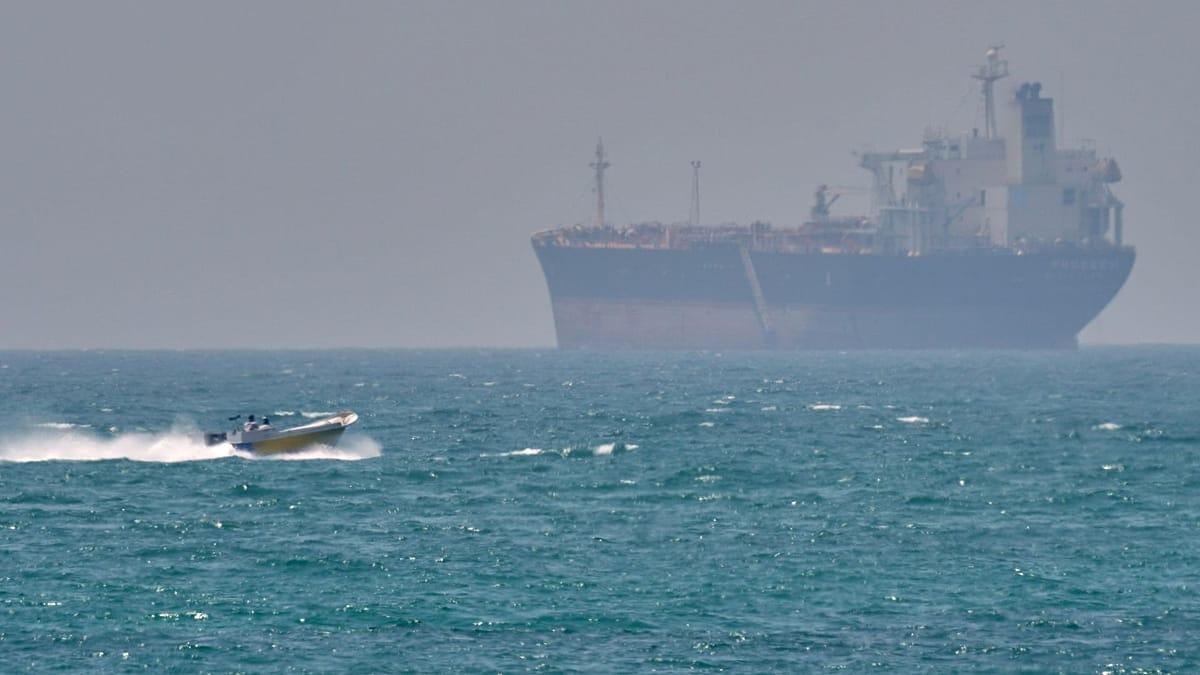
President Donald Trump said the United States would begin guiding ships through the Strait of Hormuz starting Monday, framing the effort as a “humanitarian gesture” requested by other countries whose vessels, crews and supplies have been stuck for weeks.
“Iran’s military has warned the United States Navy to stay out of the Strait of Hormuz after President Donald Trump said the US will “help free up” ships stuck in the Gulf”
The Washington Post reported that Iran’s military warned it would strike U.S. forces if they attempted to approach the strait after Trump’s announcement.

NBC News described Trump’s plan as a bid to free ships that have been “locked up” and unable to transit the key trade route amid the maritime standoff between Tehran and Washington.
The BBC likewise said the United States would on Monday begin trying to free merchant ships stranded by Iran’s closure of the key shipping channel, and quoted Trump saying “Project Freedom” was a “humanitarian gesture.”
In the same reporting, the BBC said Centcom stated “Some 15,000 US service personnel, guided-missile destroyers and more than 100 aircraft would be involved,” while also adding that the U.S. blockade of Iranian ports would continue.
Trump’s own social media framing emphasized that “countries from all over the world” had asked the U.S. for help, and he described the affected ships as “merely neutral and innocent bystanders.”
Across the coverage, the operational details remained unclear even as the mission was set to begin, with NBC News noting that many details remained unclear and the BBC saying Trump “did not provide further details on how the operation would be managed.”
Iran threatens attack and coordination
Iran responded to Trump’s announcement with warnings that U.S. forces should not approach or enter the Strait of Hormuz and that any such move would be met with attack.
NBC News quoted Major General Pilot Ali Abdollahi warning that “We warn that any foreign armed force, especially the aggressive military of America, should they intend to approach or enter the Strait of Hormuz, will be subjected to attack,” and it described Iran quickly pushing back with statements and a new map to reassert control.
The BBC reported that Iran’s military said it had prevented American and Israeli “enemy destroyers” from entering the strait on Monday, following Iran’s warning it will attack any foreign forces if they enter the strait, “especially, the aggressive US army.”
The Washington Post similarly described Iran’s military as warning it will strike U.S. forces if they attempt to approach the Strait of Hormuz.
In parallel, Reuters reporting relayed Iran’s unified command message that “We have repeatedly said the security of the Strait of Hormuz is in our hands and that the safe passage of vessels needs to be coordinated with the armed forces,” and it added the warning that “We warn that any foreign armed forces, especially the aggressive U.S. Army, will be attacked if they intend to approach and enter the Strait of Hormuz.”
The same Reuters account said Iran’s unified command told commercial ships and oil tankers to refrain from any movement that was not coordinated with Iran’s military.
NBC News also reported that Iran’s military command cautioned that passage must be carried out in coordination with Tehran, and it described Iran as issuing a new map and “a flurry of statements” to reassert control.
Claims of attacks and denials
As the U.S. effort was set to begin, the reporting described competing claims about whether Iranian actions had struck or prevented U.S. vessels.
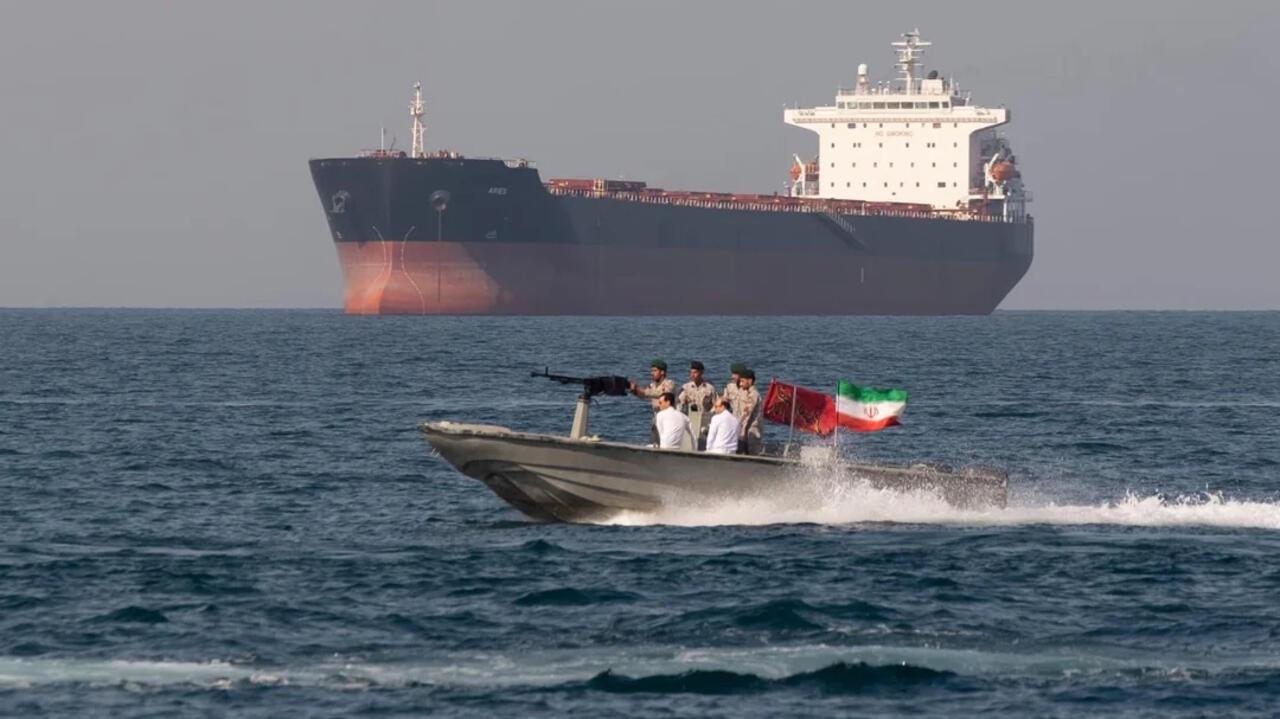
NBC News said Tehran claimed it had stopped a U.S. destroyer from entering the strait, quoting an army public relations statement carried by Tasnim that “the entry of enemy American-Zionist destroyers into the vicinity of the Strait of Hormuz was prevented.”
NBC News also reported that the U.S. military said that “no U.S. Navy ships have been struck,” responding to Iranian state media claims that two missiles had hit a U.S. warship near the entrance to the strait.
Reuters, as carried by U.S. News & World Report, said Iran claimed it had forced a U.S. warship to turn back from entering the Strait of Hormuz on Monday, while a U.S. official denied a report that it had been struck by Iranian missiles, and it added that Reuters could not independently verify the reports.
Reuters further said Iran’s semi-official Fars news agency claimed “two missiles had hit the warship near the port of Jask at the southern entrance to the strait,” and it immediately noted the denial by Axios journalist Barak Ravid.
The BBC and Australian Broadcasting Corporation both referenced a tanker hit by an “unknown projectile” in the strait, with the BBC saying the UK Maritime Transportation Operation reported the crew were safe and the incident occurred as the U.S. “guide” effort was announced.
The Australian Broadcasting Corporation said the incident occurred “78 nautical miles north of Fujairah, in the United Arab Emirates,” and it reported that all crew were reported safe.
Stranded ships, mines, and rerouting
The U.S. guidance effort was described as operating in a high-risk environment where Iran has imposed tight controls on shipping and where mines and attacks have been part of the backdrop.
NBC News said the Joint Maritime Information Center established an “enhanced security area” to the south of usual shipping routes and advised vessels to consider routing via Oman territorial waters because usual routes should be considered “extremely hazardous due the presence of mines that have not been fully surveyed and mitigated.”
NBC4 Washington reported that on the first day the U.S.-led Joint Maritime Information Center advised ships to cross the strait in Oman’s waters and set up an “enhanced security area,” while also warning that the initiative left open whether shipping companies and insurers would feel comfortable given Iran’s firing on ships and vowed to keep doing so.
Reuters, as carried by U.S. News & World Report, said Iran has blocked nearly all shipping into and out of the Gulf apart from its own since the start of the war, cutting off around a fifth of the world’s oil and gas shipments and sending oil prices soaring by 50% or more.
The BBC said Iran’s closure of the channel left thousands of sailors stranded on some 2,000 ships trapped by the blockade and that about 20% of the world’s oil and liquefied natural gas usually passes through the strait.
NBC News also described crews as running low on food and other necessities and quoted a sailor who told NBC News the security situation left him unable to sleep, spending nights on the deck watching rockets fly over his head.
The BBC added that the U.S. blockade of Iranian ports would continue and that the temporary ceasefire began on 8 April, while also noting that the move came as the two countries worked on agreeing on a permanent peace plan.
Ceasefire, peace talks, and stakes
The stakes described by the sources centered on whether the new U.S. operation would unravel a fragile ceasefire and how it would affect negotiations between Washington and Tehran.
NBC4 Washington said the effort to revive traffic risks unraveling the fragile ceasefire that has held for more than three weeks, and it described Trump’s warning that Iranian efforts to block ships “will, unfortunately, have to be dealt with forcefully.”
The BBC reported that the move came as the two countries observe a temporary ceasefire that began on 8 April and as they work on agreeing on a permanent peace plan, while also quoting that any interference would be “dealt with forcefully.”
Iran’s officials warned that U.S. interference would violate the ceasefire: NBC News quoted Ebrahim Azizi warning that any American interference in the strait will be considered a “violation of the ceasefire,” and it also reported that Iran’s parliament’s National Security and Foreign Policy Committee head posted the warning on X late Sunday.
The BBC also said Iran’s closure of the channel has seen fuel prices rise globally and left thousands of sailors stranded, and it reported that about 20% of the world’s oil and liquefied natural gas passes through the strait.
In the diplomatic track, NBC News said Tehran was reviewing the latest U.S. counterproposal and that mediator Pakistan facilitated the transfer of 22 Iranian sailors from the “Touska” container ship seized by U.S. forces, while the BBC said Iran’s 14-point peace plan called for the U.S. to lift sanctions, end the naval blockade, withdraw forces from the region, and cease all hostilities including Israel’s offensive in Lebanon.
The BBC further reported that the proposal called for an agreement between the two warring sides to be reached within 30 days and that Iranian state media added the proposal urged the two sides to focus on “ending the war” rather than extending a current ceasefire.
More on Iran

Trump Announces Project Freedom To Guide Stranded Ships Out Of Strait Of Hormuz Monday
19 sources compared
Iran Claims It Struck U.S. Navy Vessel Near Strait of Hormuz, CENTCOM Denies
19 sources compared
Iran Destroys 74 Missiles And 117 Drones In Bahrain, Bahrain Defence Forces Say
10 sources compared
Iranian Media Claims Two Missiles Hit US Frigate Near Strait of Hormuz, Washington Denies
29 sources compared