
Iran Warns US It Cannot Impose Its Will as Strait of Hormuz Reopens, Then Closes
Key Takeaways
- Iran says the US cannot impose its will or block Strait of Hormuz.
- Iran rejects Trump's claims about Hormuz and enriched uranium as false.
- Iran demands a framework before resuming US talks; no date yet.
Hormuz dispute flares
Iran’s deputy foreign minister Saeed Khatibzadeh said the United States “cannot impose their will” and block the Strait of Hormuz after Iran’s military declared the waterway closed again, according to Firstpost.
Speaking on the sidelines of the Antalya Diplomacy Forum in southern Türkiye, Khatibzadeh said: “Americans cannot impose their will to do a siege over Iran while Iran, with good intention, is trying to facilitate safe passage through the Strait of Hormuz,” as reported by Firstpost.
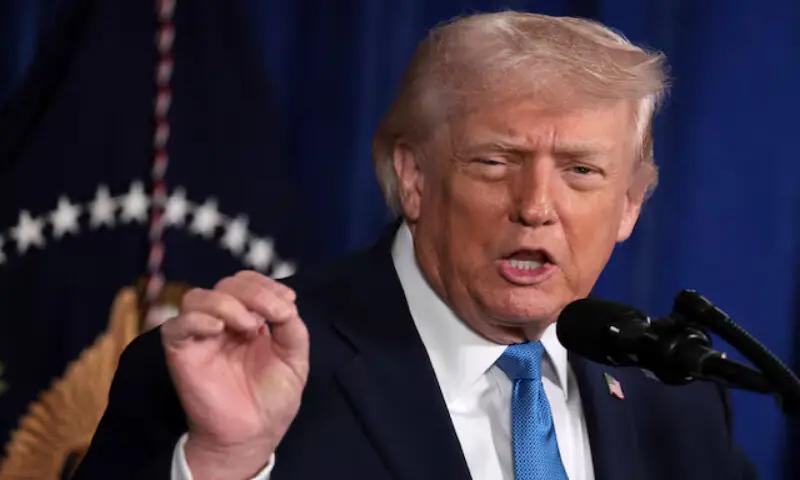
He added that the US president “talks too much” and often contradicts himself, telling journalists: “The American side tweets a lot, talks a lot. Sometimes confusing, sometimes, you know, contradictory,” in the same account.
Firstpost said Iran’s military announced the Strait of Hormuz had been placed back under strict control hours after being briefly reopened, and that state media framed the move as a response to the continuing US naval blockade of Iranian ports.
The article also described the strait as carrying “roughly a fifth of the world’s oil and liquefied natural gas,” and said the reopening had briefly eased global market concerns.
Al Jazeera similarly reported that Iran closed the Strait of Hormuz again until the US lifts the blockade of its ports, hours after Trump said he was optimistic of a deal with Tehran.
In parallel, Al Jazeera’s day-50 explainer said the Strait was reopened earlier on Saturday subject to conditions aligned with the Lebanon ceasefire and previously coordinated maritime routes, underscoring how quickly the situation has shifted.
Talks delayed over framework
Iran’s refusal to set a date for renewed talks with the United States is tied, in the sources, to a demand that the two sides first agree on a “framework of understanding,” with Hormuz tensions and ceasefire disputes complicating diplomacy.
Kurdistan24 reported that Saeed Khatibzadeh said “no date is set for the next round of negotiations with the United States,” emphasizing that “a framework of understanding must be agreed before talks can resume.”

The outlet quoted Khatibzadeh on the Antalya forum sidelines: “We are now focusing on finalizing the framework of understanding between two sides. We don't want to enter into any negotiation or meeting which is doomed to fail, and which can be a pretext for another round of escalation,” and added that “Until we agree the framework, we cannot set the date.”
Daily Sabah carried the same core message, reporting Khatibzadeh told journalists: “Until we agree on the framework, we cannot set the date,” and that “We do not want to enter into any negotiation or meeting that is destined to fail and could serve as a pretext for another round of escalation.”
Daily Sabah also said Pakistan’s military chief and prime minister concluded separate visits aimed at ending the Iran war, with Field Marshal Asim Munir leaving Tehran and premier Shehbaz Sharif headed home from Türkiye, and that Munir met Iran’s top leadership and peace negotiators during a three-day visit to Tehran.
Al Jazeera’s day-50 explainer described Trump’s position that there are no “sticking points” left for a deal while insisting the blockade will remain until any agreement is “100 percent complete,” contrasting it with Iran’s pushback on negotiations.
In the same Al Jazeera account, Iran’s foreign ministry rejected claims by Trump that Tehran had agreed to transfer its enriched uranium stockpile “anywhere,” and said it would not impose “traditional” transit fees while drafting a law to charge ship owners for “securing the strait.”
Ceasefire conditions and accusations
The sources describe a dispute over whether the United States is honoring ceasefire-linked maritime terms, with Iran accusing Washington of sabotage and the US framing its blockade enforcement as compliance-driven.
Kurdistan24 said Iran accused the United States of undermining safe passage terms, quoting Khatibzadeh: “The other side, the American side, tried to sabotage that by saying that it is open except for Iranians.”
The same outlet reported Khatibzadeh’s warning that “if you are going to violate the ceasefire terms and conditions, if Americans are not going to honour their words, there will be repercussions for them.”
Daily Sabah similarly reported that Khatibzadeh accused Washington of attempting to “sabotage” safe passage efforts, and quoted him: “If ceasefire terms are violated and Americans do not honor their commitments, there will be repercussions for them.”
Al Jazeera’s day-50 explainer added that the US naval blockade remains, citing US Central Command (CENTCOM) saying that “21 vessels have complied with orders to turn back from Iranian ports.”
Al Jazeera also reported that Iran said it would allow safe passage for commercial vessels in line with ceasefire arrangements, following a temporary reopening tied to a “10-day ceasefire involving Israel and Lebanon,” while also noting conflicting signals about whether normal shipping conditions had fully resumed.
Firstpost described the back-and-forth over the waterway as adding uncertainty to “already fragile ceasefire conditions in the region,” and said the strait had been reopened a day earlier following a ceasefire linked to the Israel-Lebanon conflict.
Voices: Khamenei and diplomats
Beyond Khatibzadeh, the sources also bring in Iran’s supreme leader Mojtaba Khamenei and regional diplomatic voices warning about escalation into Hormuz.
Firstpost said a statement carried on Mojtaba Khamenei’s Telegram channel warned Saturday that Tehran’s navy was ready to defeat US forces, quoting: Iran’s “brave navy stands ready to make the enemies taste the bitterness of new defeats”.
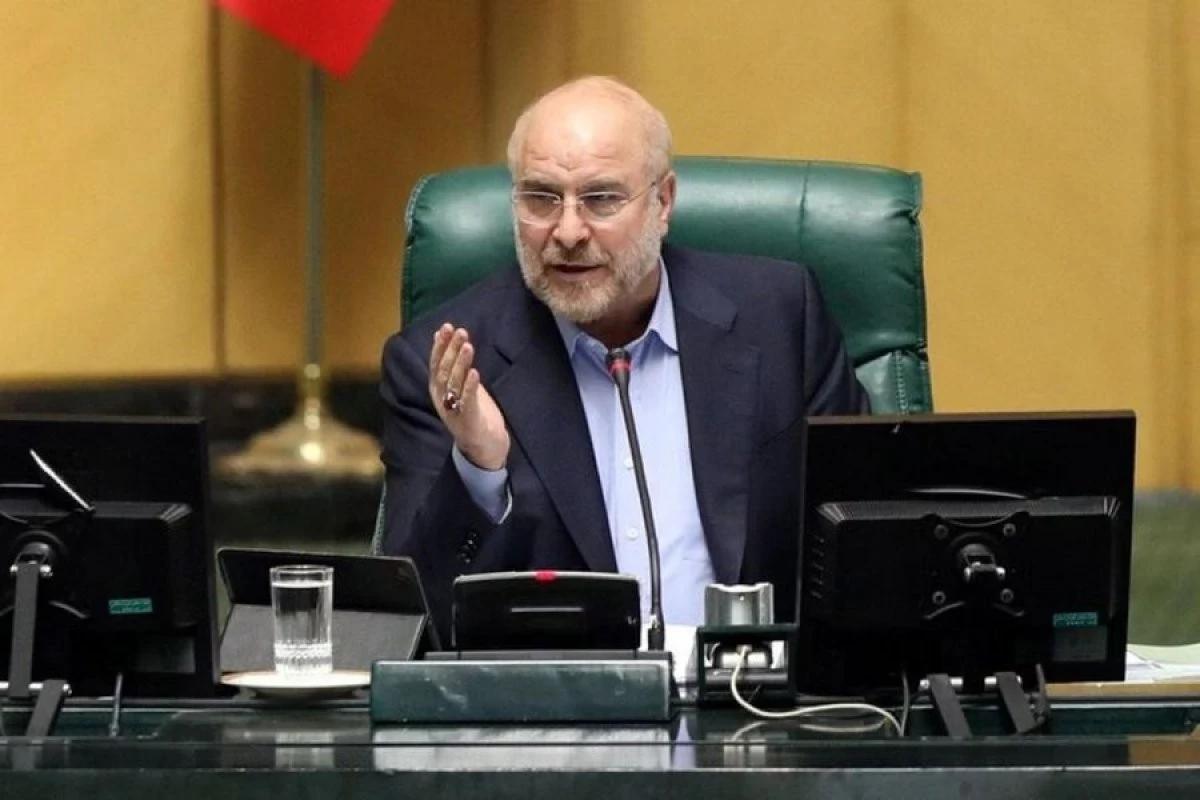
The same Firstpost account tied the comments to the Strait of Hormuz being placed back under strict control, describing the back-and-forth as occurring hours after a brief reopening.
In parallel, Daily Sabah reported that Egypt’s foreign minister Badr Abdelatty told journalists at the Antalya Diplomacy Forum that “Egypt and Pakistan were working "very hard" as mediators to bring about "a final agreement between the United States and Iran",” and added that “We hope to do so (reach an agreement) in the coming days,” while noting “not only us in the region, but the whole world is suffering from the continuation of this war”.
Kurdistan24 described the negotiations as the most senior since the 1979 Islamic Revolution, saying the latest high-level discussions ended in Islamabad last weekend without an agreement, despite Iranian officials describing progress.
Al Jazeera’s explainer also included statements from other governments and leaders, including British Prime Minister Keir Starmer saying France and Britain will lead a multinational effort to safeguard freedom of navigation “as soon as conditions allow,” and Saudi Finance Minister Mohammed Al-Jadaan welcoming Iran reopening the Strait of Hormuz while saying “the situation remains fragile.”
A separate report in فرارو quoted Iraqi and UK foreign ministers warning that dragging the conflict into the Strait of Hormuz would trigger a global economic crisis, with David Lamy saying closing the Strait of Hormuz could create “a severe economic crisis for the United Kingdom and Europe and lead to higher inflation.”
Options, risks, and fallout
The sources lay out competing pictures of what happens next, with Iran emphasizing deterrence and diplomatic conditions while other reports describe economic and military risk.
“If diplomacy with the United States fails, what options does Iran have”
The BBC asked “If diplomacy with the United States fails, what options does Iran have?” and described a negotiation history that included talks beginning February 6 in Muscat, Oman, and five rounds mediated by Oman in April and May 2025, with the sixth round canceled after the start of Israel’s 12-day war with Iran.
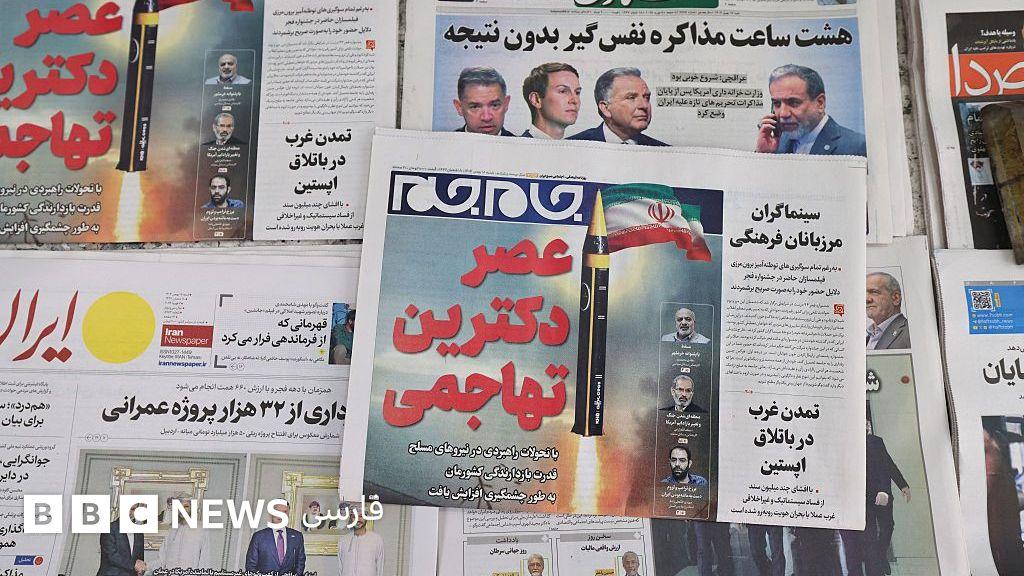
The BBC reported that Donald Trump warned otherwise “bad things” could happen, while also saying Marco Rubio made clear Washington wants the focus of talks not only on Iran’s nuclear program but also “the range of ballistic missiles, Iran’s proxy forces in the region, and how the regime treats the people of Iran.”
The BBC also stated Abbas Araghchi repeatedly rejected negotiations about Tehran’s missile capability and stressed Iran was ready to return to nuclear talks “from a position of equality.”
In the same BBC piece, Iran warned that any attack, regardless of its scale, would be treated as a declaration of war, and it described Iran’s deterrence logic by saying Tehran warned American and Israeli bases and equipment are legitimate targets.
Al Jazeera’s explainer added a concrete economic thread, reporting that Wall Street topped records on Friday after Iran announced the reopening of the Strait of Hormuz, which sent oil prices tumbling from a peak of nearly $120 a barrel to $90.38 for Brent Crude.
Finally, فرارو and the Students’ News Agency report both warned about spillover risks into Iraq, with فرارو quoting David Lamy warning about economic crisis and with the Students’ News Agency quoting Abdulmajeed Al-Dalimi saying using Iraq’s airspace to attack Iran would be “a direct threat to his country’s security and stability.”
More on Iran
Iran’s IRGC Closes Strait of Hormuz Again, Warns Ships as U.S. Blockade Continues
20 sources compared
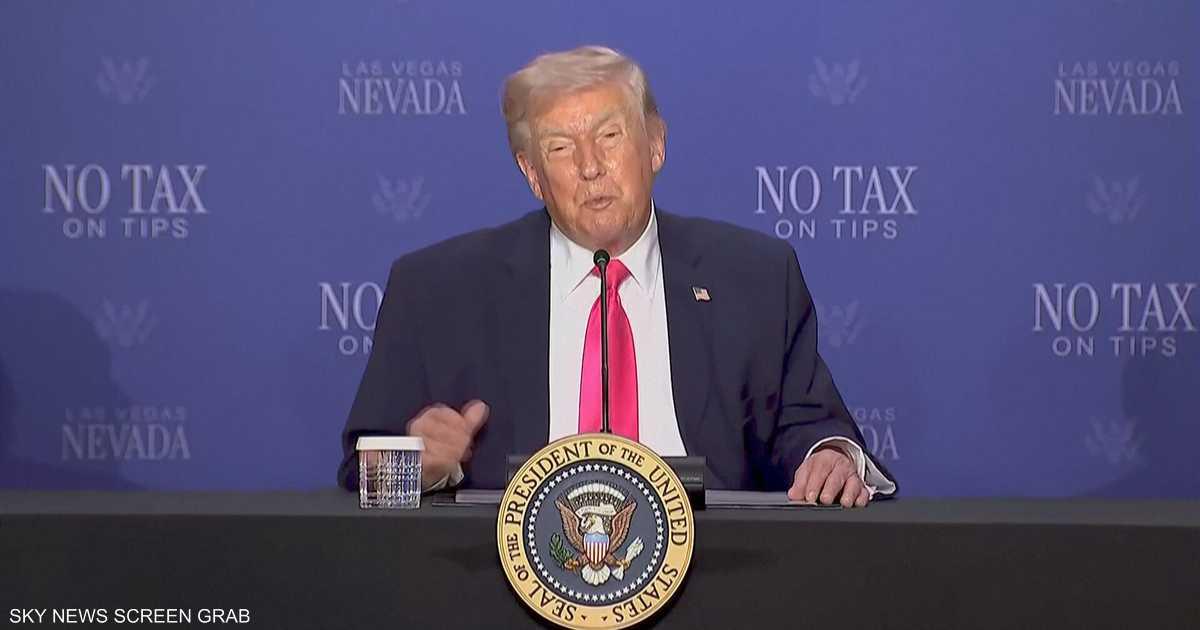
Trump Threatens To End Iran Ceasefire, Keep Blockade, Start Dropping Bombs Again
12 sources compared

Iran Partially Reopens Airspace, Six Airports Resume Operations for International Transit Flights
14 sources compared
Iran Reimposes Strait of Hormuz Restrictions, Prioritizes Fee-Paying Vessels After IRGC Fire
82 sources compared