Iran Warns “We Are Just Getting Started” After Strait Of Hormuz Clashes
Key Takeaways
- Iran warns of renewed escalation after Hormuz clashes.
- A fragile US-Iran ceasefire is in place but under strain amid regional tensions.
- Oil markets fluctuated as supply concerns persisted and doubts about truce durability grew.
Ceasefire strain in the Gulf
Iran escalated fears that a fragile ceasefire in the Gulf could collapse as Tehran warned, “We are just getting started,” after clashes over the Strait of Hormuz.
“Iran War: A Strategic Defeat for the United States, and Everyone Loses - The Guardian We begin our roundup today with The Guardian, with an editorial titled 'Trump and Iran and a ceasefire: a devastating war in which everyone loses”
The Mirror said the warning came as “leaked US intelligence assessments claim limited damage has been imposed by the US and Israel on Iran’s nuclear program,” and it linked the threat from parliamentary speaker Mohammad Ghalibaf to cruise missiles targeting the UAE and Iranian gunboats being hit on Monday.
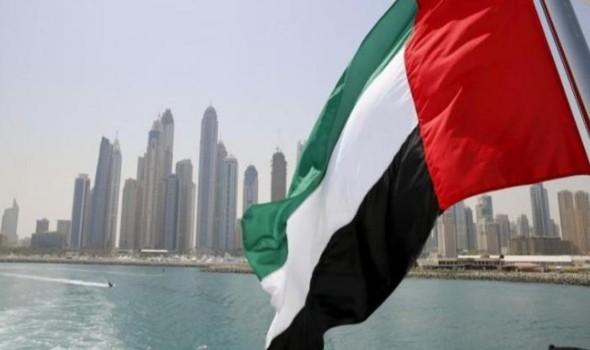
In the same account, the UAE was placed on high-alert over the possibility “another set of missiles and deadly suicide drones had been fired towards it.”
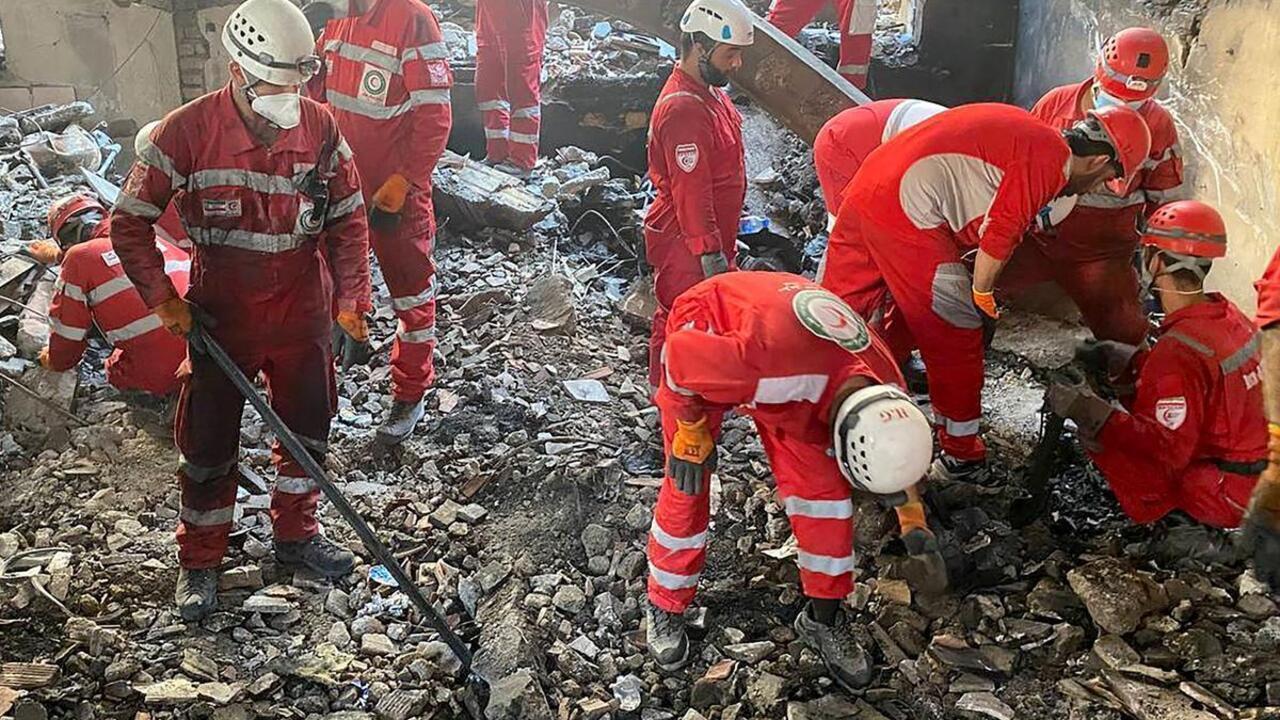
The Mirror also reported that Iran fired “a total of 12 ballistic missiles, three cruise missiles, and four attack drones at the United Arab Emirates on Monday,” and that most were shot down while one strike caused “a large fire and three injuries at its key oil port of Fujairah.”
It further stated that “Seven boats were shot up by US forces in the Gulf on Monday,” and that US Central Command said US helicopters sank “six small boats involved in the attacks.”
TRT World described the diplomatic scramble that followed, saying world leaders “piled pressure on Tehran to stick to diplomacy” after a “salvo of attacks in the region left a ceasefire crumbling.”
In parallel, TRT World said the UAE reported Iranian attacks “for the first time since the truce was declared nearly a month ago,” and it quoted the UAE describing the strikes as “a dangerous escalation and an unacceptable transgression.”
Nuclear timeline and Project Freedom
The Mirror tied Iran’s warning to a wider dispute over nuclear progress and US military posture, saying the Tehran threat followed “leaked US intelligence assessments” that Iran’s nuclear programme was “hardly affected.”
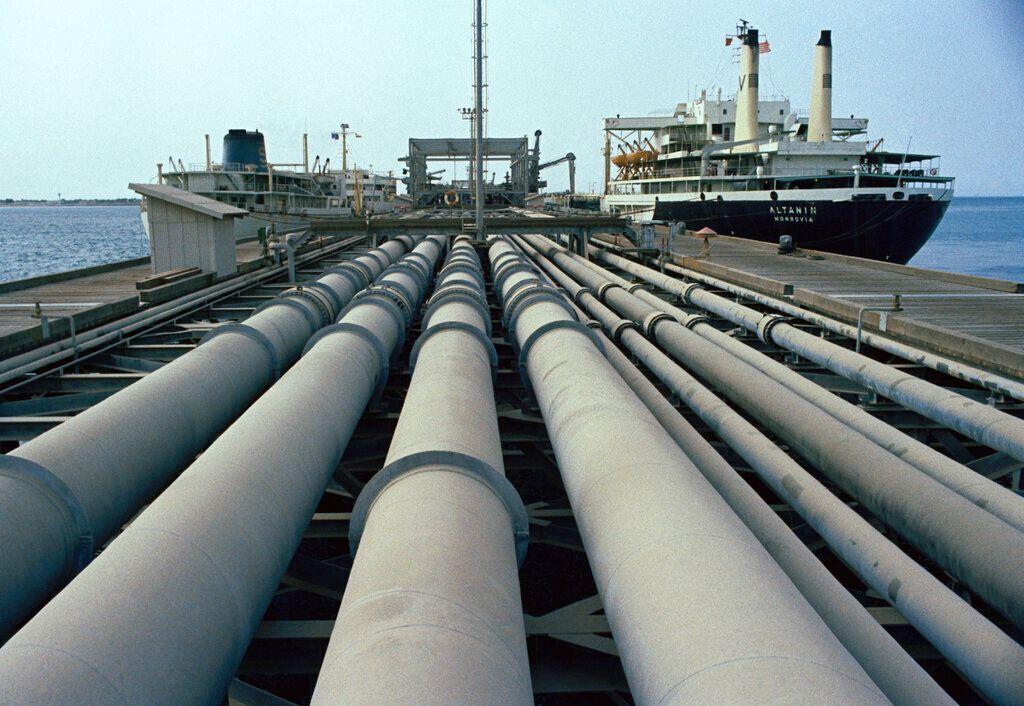
It reported that the warning from Mohammad Ghalibaf came as Tehran slammed US claims that a new US mission called Project Freedom—aimed at freeing hundreds of trade ships in the Strait of Hormuz—would open the waterway.
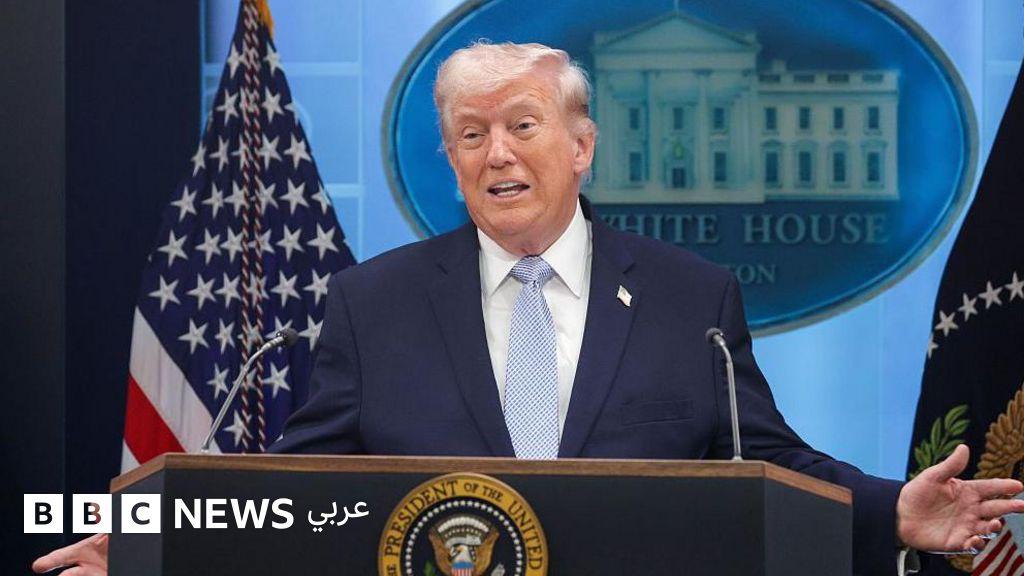
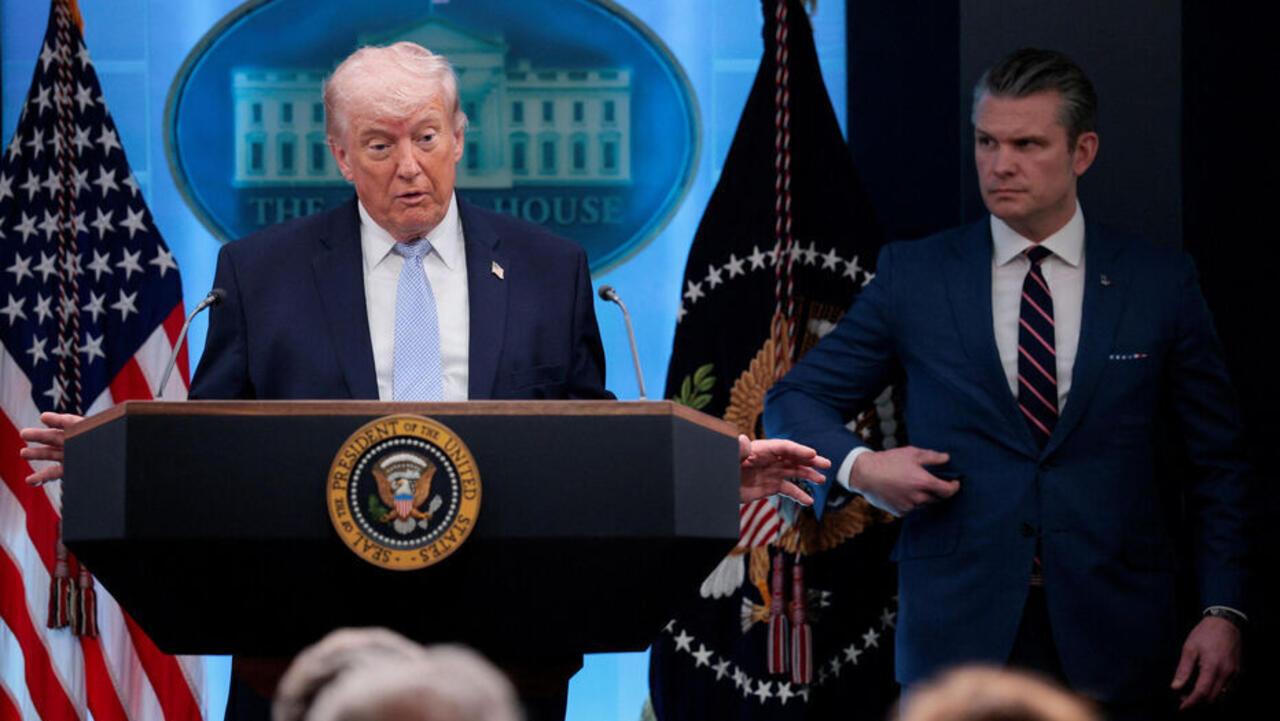
The Mirror framed the US response through US defence secretary Pete Hegseth, who said the ceasefire “Is not over. This is about freedom of navigation. Only Iran is contesting.”
In the same passage, Hegseth added, “Right now the ceasefire holds and we are going to be watching very closely,” and he insisted, “To be clear this operation is separate from Operation Fury. Project Freedom is distinct.”
The Mirror also said Hegseth confirmed “two US commercial ships have cleared the Strait of Hormuz, out of an estimated 2,000 stranded in the Strait of Hormuz,” and it described the strategic corridor as involving “guided-missile destroyers, more than 100 aircraft and 15,000 service members.”
TRT World, meanwhile, described diplomacy as deadlocked, saying “diplomacy between Washington and Tehran has been deadlocked” and that the United States had “twice abort[ed] plans for senior officials to attend talks in Pakistan.”
TRT World also quoted Iranian Foreign Minister Abbas Araghchi saying the clashes showed there was “no military solution to a political crisis,” and it added that Araghchi wrote on X: “Project Freedom is Project Deadlock.”
Voices from Tehran, Washington, and the UAE
The Mirror and TRT World both presented sharply different accounts of who is responsible for the escalation around the Strait of Hormuz, with Iran and the US trading accusations while the UAE reported direct impacts.
“Oil prices rose during Thursday's trading, driven by growing investor concerns that supply disruptions in the Middle East region would continue, along with doubts about the durability of the truce between Washington and Tehran”
The Mirror said Iran denounced the American moves as “ceasefire violations,” and it quoted Hegseth’s rebuttal that “Iran is the clear aggressor, weaponising a critical chokepoint for its own financial benefit.”
It also reported that US Central Command said Iran launched “multiple cruise missiles, drones and small boats at civilian ships under the U.S. military's protection,” while it denied Iranian reports that “American vessels had been struck.”
TRT World described the UAE’s position, saying the emirate called the attacks “a dangerous escalation and an unacceptable transgression,” and it reported that a strike targeting an energy installation in Fujairah injured “three Indian nationals.”
TRT World also included an Iranian military official’s response, saying the official did not deny the strikes but said Iran had “no pre-planned programme to attack the oil facilities in question,” and it quoted the official’s claim: “What happened was the product of the US military's adventurism to create a passage for ships to illegally pass through” the Strait of Hormuz.
In the same TRT World report, Iranian Foreign Minister Abbas Araghchi said the clashes showed there was “no military solution to a political crisis” and pointed to Pakistan’s efforts to keep mediating.
TRT World further reported that Iran denied that combat vessels were hit and accused Washington of killing “five civilians on boats,” while the United States said its forces had sunk “at least six small Iranian ships.”
Negotiations, travel, and the next talks
As the ceasefire remained fragile, multiple outlets described a negotiation process that was repeatedly disrupted by disagreements over participation and the substance of proposals.
TRT World said diplomacy was deadlocked and that the United States had “twice aborting plans for senior officials to attend talks in Pakistan,” while it reported that Tehran had vowed not to surrender control over the Strait of Hormuz.
The Mirror described Tehran’s latest proposal for ending the war as calling for the U.S. to lift sanctions, end the blockade, withdraw forces from the region, and cease all hostilities including Israel's operations in Lebanon.
TRT World added that world leaders urged de-escalation, with German Chancellor Friedrich Merz imploring Tehran to “return to the negotiating table and stop holding the region and the world hostage,” and it said Saudi Arabia called for “diplomatic efforts to reach a political solution.”
Middle-east-online reported that Abbas Araghchi was in Muscat to discuss the future of negotiations with Washington, saying his visit to Oman would be followed by another expected visit to Pakistan and then heading to Russia.
It said Tasnim reported Araghchi arrived in Muscat with a diplomatic delegation and that “the stalled talks with Washington would be at the top of the agenda,” while IRNA said he left Islamabad after meeting senior Pakistani officials.
Middle-east-online also quoted an Iranian diplomatic source in Islamabad saying, “In principle, the Iranian side will not accept hardline demands,” and it cited White House spokesperson Karoline Leavitt saying the United States “hopes for more during talks early next week.”
Consequences inside Iran and markets
Beyond the Gulf confrontations, the sources described consequences inside Iran and in global energy markets, with anxiety persisting even when the ceasefire held.
“Iran in the Shadow of Anxiety and Fear of Starting a Second War After the Ceasefire Express Weekly, in a field report from Iran’s public space after the ceasefire with Israel, draws a vivid picture of creeping horror, a paralyzing economy, and intensified repression — a society on the brink of mental and social collapse, seeking the slightest ray of hope to return to the most ordinary forms of life”
RFI reported that after a ceasefire with Israel established on June 24, “the sound of missiles in Iran’s skies has fallen silent, but a dark anxiety remains deep in the collective psyche,” and it said Tehran’s public life included “new checkpoints and security posts” at capital entry points.

RFI quoted Zahra, a 30-year-old actress, saying, “I have no motivation. I don’t know what to do. I don’t even know what will happen in another hour,” and it also quoted Elaheh, a marketing specialist, saying, “We expect new attacks, and this is really scary.”
The Guardian described a “veneer of normality” in Tehran while warning that “underlying worries run deep,” and it said the uncertainty was underlined on Monday when “the US and Iran launched fresh attacks in the Gulf as the two sides continue to blockade of the strait of Hormuz.”
The Guardian also reported economic strain, citing an International Monetary Fund estimate that inflation “could reach 70% this year,” and it quoted Sina, 25, a jewellery maker in Tehran’s Grand Bazaar, saying, “The situation is very unstable.”
It also described political repression, stating that “More than 20 people have been executed on national security-related charges since late February,” and it quoted UN High commissioner for human rights Volker Türk saying he was “appalled that on top of the already severe impacts of the conflict, the rights of the Iranian people continue to be stripped from them.”
In parallel, i24NEWS said energy markets “breathe a sigh of relief” after a Washington–Tehran truce, reporting that oil prices fell below $100 a barrel on Wednesday and quoting figures for Brent and West Texas Intermediate.
More on Iran
Iran Condemns UAE’s Cooperation With Hostile Parties, Denies Missile And Drone Attacks
18 sources compared

Donald Trump Pauses Project Freedom To Guide Ships Out Of Strait Of Hormuz
26 sources compared
Trump Pauses Project Freedom Escort Through Strait of Hormuz While Keeping U.S. Blockade
19 sources compared
War Powers Act Deadline Expires as Congress Returns Without Authorizing Trump’s Iran War
12 sources compared