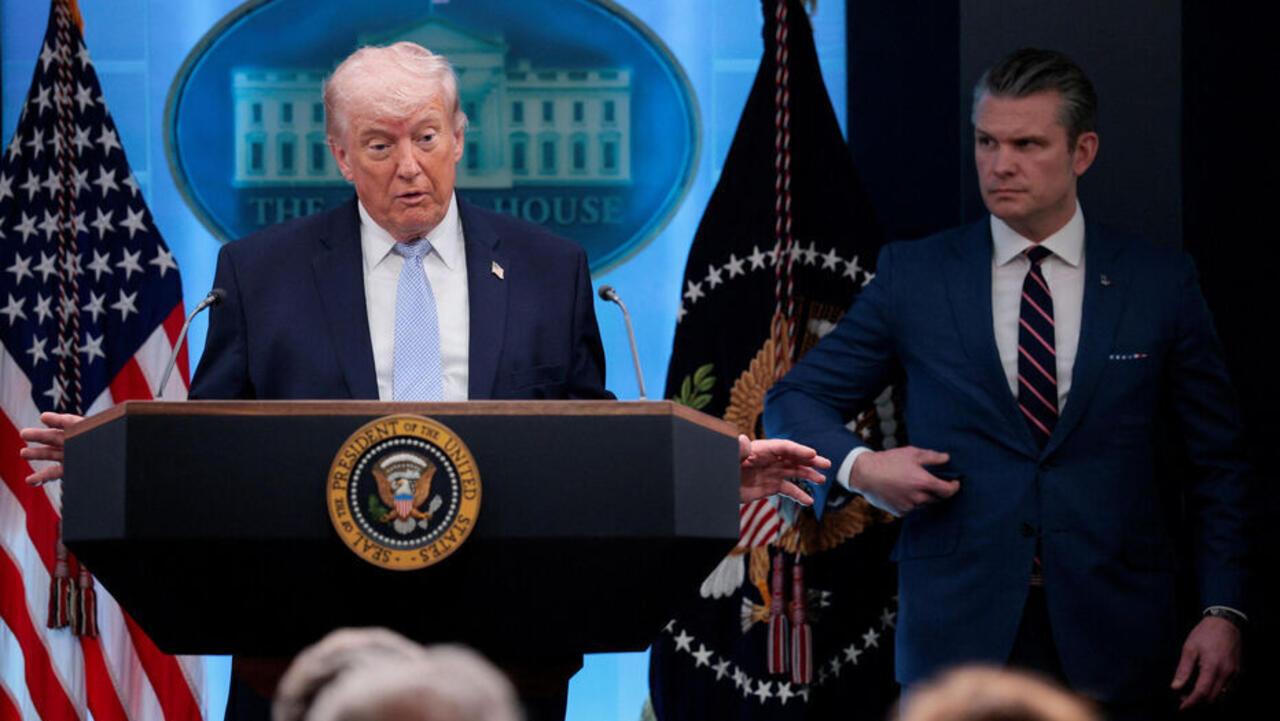
War Powers Act Deadline Expires as Congress Returns Without Authorizing Trump’s Iran War
Key Takeaways
- The 60-day War Powers Act deadline for Iran hostilities expired with no congressional authorization.
- There was no clear sign of a ceasefire or halt to fighting after the deadline.
- Lawmakers remained divided, with Republicans advocating restraint and consideration of extension or legal justification.
Deadline, ceasefire, and war powers
A 60-day deadline tied to the War Powers Act Resolution has become the central legal battleground over the U.S. war with Iran as Congress returns to Washington, D.C. without authorizing or halting President Donald Trump’s Iran war, even as the mark “came and went Friday while lawmakers were back home,” according to Fox News.
“CNN -- A Vietnam-era law requires Congress to approve a war with Iran after 60 days of hostilities, but the main issue is that lawmakers disagree on when the war against Iran would begin and thus when this period would expire”
Fox News says the War Powers Act Resolution requires Congress to “authorize or halt the war,” and that without action “the Trump administration now has 30 days to wind down military actions in Iran absent authorization from lawmakers.”
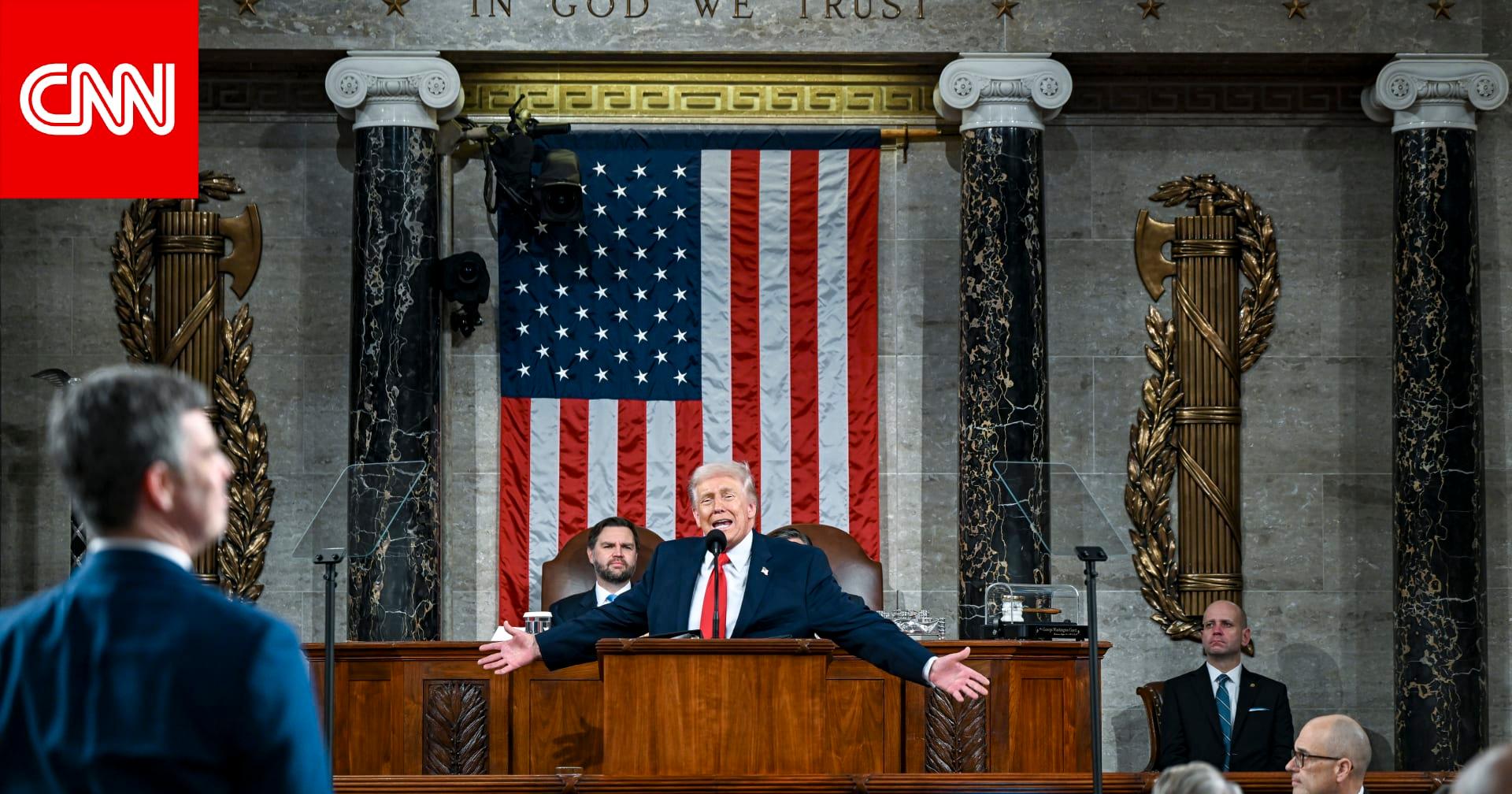
France 24 frames the same moment as “a crucial legal deadline expires,” placing Trump “at a crossroads: end the war on Iran or go to Congress to seek an extension,” with “expectations that the deadline will be extended or ignored.”
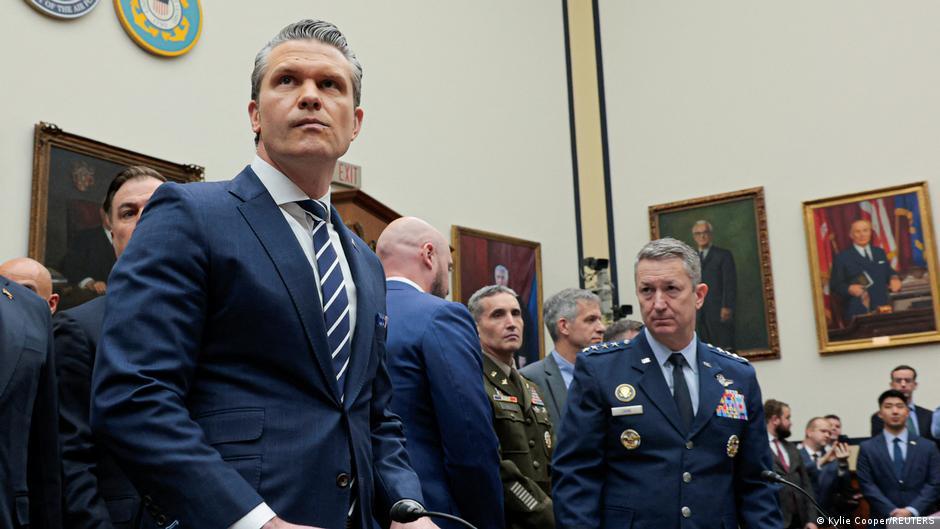
DW adds that the “60-day deadline for war does not apply in the event of a ceasefire,” citing a Senate Armed Services Committee hearing where the U.S. Secretary of Defense emphasized that “the ceasefire established on 8 April between the United States and Iran means that the government currently does not need authorization.”
In the same dispute, CNN Arabic describes lawmakers disagreeing “on when the war against Iran would begin and thus when this period would expire,” with some Republicans arguing “ceasefire days are not counted toward the total.”
Across the reporting, the ceasefire is treated as both a legal reset and a contested fiction: Fox News quotes Sen. Tim Kaine saying, “The ceasefire just means bombs aren't dropping,” while DW and multiple outlets describe the administration’s position that the 60-day window is paused or suspended during the ceasefire.
How the clock started
Several outlets tie the legal countdown to specific dates and to how the administration notified Congress about the start of hostilities.
France 24 says “The U.S.-Israel war on Iran began on February 28,” and that “Trump notified Congress within 48 hours as the law requires, starting the 60-day clock which ends on May 1.”
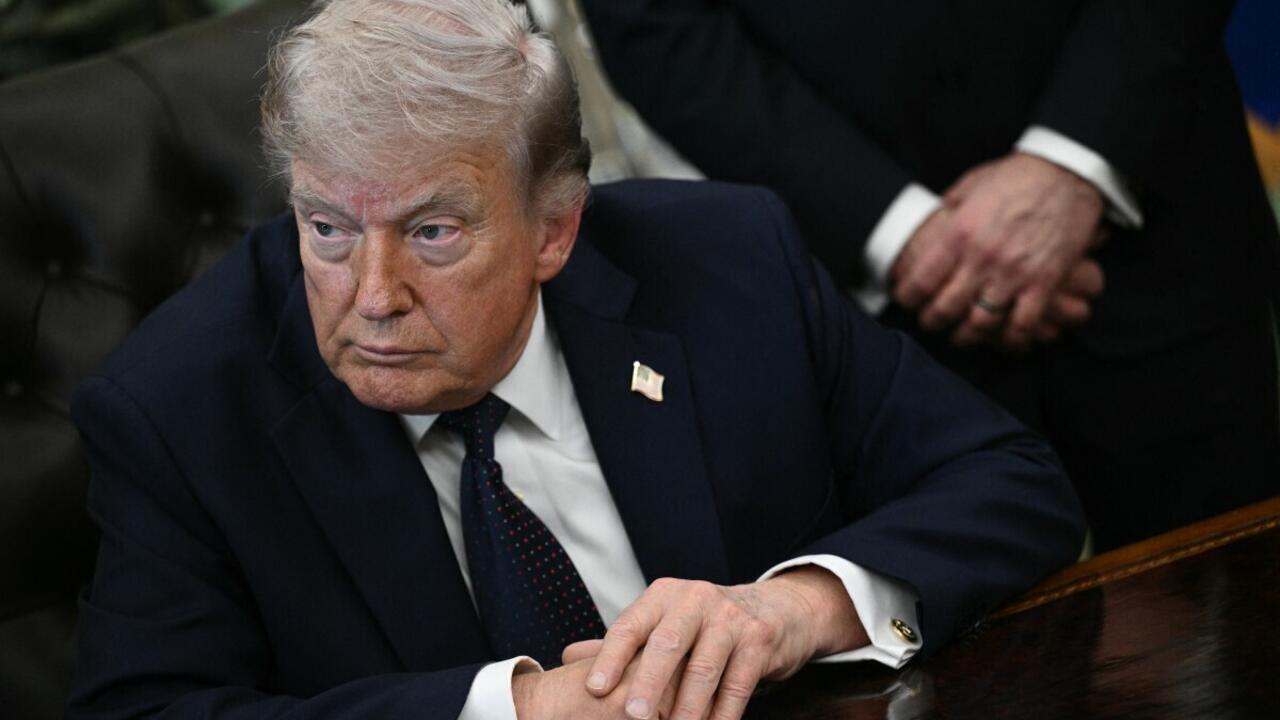
Fox News similarly reports that Trump wrote to congressional leaders on Friday, asserting that hostilities had been terminated, and it quotes Trump’s letter: “On April 7, 2026, I ordered a two-week ceasefire,” adding, “There has been no exchange of fire between the United States Forces and Iran since April 7, 2026.”
DW provides a different calendar framing by describing a “two-week ceasefire in the early hours of Wednesday, 8 April (19 Farvardin 1405),” and it says that “the current ceasefire extended” after a temporary halt at the request of Pakistani officials.
CNN Arabic says lawmakers debate whether “Friday, May 1, as the sixtieth day” is correct “based on President Donald Trump’s notification to Congress of the start of hostilities on March 2.”
The Intercept adds yet another layer by describing the administration’s operational claims during the ceasefire, quoting Joint Chiefs Chair Gen. Dan Caine: “Since the ceasefire was announced, Iran has fired at commercial vessels nine times and seized two container ships.”
Competing legal arguments
The administration’s legal position is that the ceasefire means the War Powers Act deadline does not apply, while Democrats argue the law contains no such pause.
“Congress left Washington, D”
DW reports that the U.S. Secretary of Defense told senators that “the ceasefire established on 8 April between the United States and Iran means that the government currently does not need authorization,” and it quotes Sen. Tim Kaine saying, “we are currently in a ceasefire situation, and, as we understand it, the 60-day window is paused or suspended during the ceasefire.”
Yet DW also includes Kaine’s counterpoint: “I don’t think the law would allow that.”
CNN Arabic describes the same split more granularly, saying “Some Republicans argue that ceasefire days are not counted toward the total,” while other lawmakers insist the president can extend involvement by “30 more days.”
Fox News puts the Democrats’ framing in Kaine’s words, quoting him: “The ceasefire just means bombs aren't dropping,” and it adds that Democrats view the blockade as still “war,” with Kaine saying, “we're still using the U.S. Navy to block anything going into and out of any port in Iran. That's war.”
The Intercept depicts the administration’s ceasefire claim as “phony” and quotes Hegseth insisting, “We are in a ceasefire right now, which our understanding means the 60-day clock pauses or stops in a ceasefire,” while also quoting Kaine: “I do not believe the statute would support that.”
Who says what in Congress
Inside Congress, the sources portray a partisan split over whether to act before or after the deadline, and they name multiple senators with distinct positions.
Fox News says Senate Democrats have voted “six times in lockstep” to handcuff Trump’s war powers in Iran, while Republicans “broadly have not wanted to interfere,” and it quotes Senate Majority Leader John Thune saying he didn’t see “a desire from most Republicans to take action on the deadline” and that lawmakers were getting “readouts from our military leadership on a somewhat regular basis.”
Fox News also quotes Sen. Lisa Murkowski, R-Alaska, saying she is working on an AUMF she described as “more than an authorization, but also a 'restraint,'” and it includes her line: “If we pass this 60-day mark from the start of hostilities with still a lack of a credible plan and information from the administration, it is one — it is something that I intend to introduce once the Senate reconvenes here.”
France 24 describes Sen. Chuck Schumer joining “sponsoring resolutions to end the war,” and it quotes Schumer asking, “how many war powers resolutions Democrats must introduce before Senate Republicans do the right thing.”
CNN Arabic adds that Sen. Susan Collins voted with Democrats for the first time, quoting her statement that “the War Powers Act provides a clear 60-day deadline for Congress to either authorize or end U.S. participation in foreign hostilities,” and it says Collins would introduce her bill “when the Senate returns from its recess the week of May 11 if the administration does not submit the bill.”
The Intercept names additional figures in the administration and Congress, quoting Gen. Dan Caine on attacks during the ceasefire and quoting Sen. Tim Kaine again on the statute, “I do not believe the statute would support that,” while also quoting Hegseth’s claim that the clock “pauses or stops.”
What happens next
As the deadline passes, the sources describe competing expectations for whether Trump will extend the war, ignore the deadline, or treat the ceasefire as ending hostilities, with consequences tied to congressional authority and to the Strait of Hormuz.
“The Trump administration is tying itself in knots, clinging to a ceasefire with Iran that now remains in name only”
France 24 says “expectations that the deadline will be extended or ignored,” and it reports that “Analysts and members of Congress say Trump will either notify Congress of his desire to extend the war by 30 additional days, or ignore the deadline altogether, treating the current ceasefire as the end of the conflict.”

Sky News Arabia similarly says “Trump either to inform Congress of his intention to extend for 30 days, or to ignore the deadline altogether,” with the administration arguing “that the current cease-fire with Iran is the end of the conflict.”
Fox News adds that “Without action from Congress on last week's deadline, the Trump administration now has 30 days to wind down military actions in Iran absent authorization from lawmakers,” while it also notes that Democrats have signaled legal action if the administration does not follow through.
DW emphasizes that the administration’s view is that “the 60-day window is paused or suspended during the ceasefire,” and it describes the ongoing naval blockade as continuing even while authorization is said to be unnecessary.
The stakes described in the sources are both legal and practical: Fox News quotes Kaine saying the U.S. Navy blockade is “That's war,” while France 24 says Iran warned it would respond with “prolonged and painful strikes against American sites if the attacks resume,” complicating coalition-building to “reopen the Strait of Hormuz.”
More on Iran

Iran Condemns UAE’s Cooperation With Hostile Parties, Denies Missile And Drone Attacks
18 sources compared

Donald Trump Pauses Project Freedom To Guide Ships Out Of Strait Of Hormuz
26 sources compared
Trump Pauses Project Freedom Escort Through Strait of Hormuz While Keeping U.S. Blockade
19 sources compared

Trump Pauses Project Freedom as U.S. Maintains Blockade in Strait of Hormuz
28 sources compared