
Trump Pauses Project Freedom as U.S. Maintains Blockade in Strait of Hormuz
Key Takeaways
- Trump paused Project Freedom, delaying the effort to guide vessels through the Strait of Hormuz.
- The U.S.-Iran ceasefire remains in place, holding despite recent attacks in the Strait.
- Attacks on the UAE and shipping in the Strait of Hormuz test the truce’s durability.
Project Freedom Paused
President Donald Trump announced that the United States would pause “Project Freedom,” a naval effort aimed at guiding commercial vessels through the Strait of Hormuz, while maintaining the blockade as the U.S. seeks a deal with Iran.
In a Truth Social post, Trump wrote that “while the Blockade will remain in full force and effect, Project Freedom (The Movement of Ships through the Strait of Hormuz) will be paused for a short period of time to see whether or not the Agreement can be finalized and signed.”
NBC News and NPR both described the pause as taking place after U.S. and Iran traded fire and threats over the mission to force open the strait.
NBC News reported that Defense Secretary Pete Hegseth asserted at a Pentagon briefing Tuesday that the ceasefire was “not over” despite the clashes in the strait, and it quoted Chairman of the Joint Chiefs of Staff Gen. Dan Caine saying Iran had attacked U.S. forces more than 10 times since the ceasefire was announced.
NPR similarly said Rubio and U.S. military leaders insisted the ceasefire was still holding, even as the blockade remained in place.
The Washington Post added that Iran accused the U.S. of ceasefire violations after two U.S. destroyers and two merchant vessels came under attack Monday during transits, and it quoted Adm. Brad Cooper saying Iran fired cruise missiles and drones at U.S. naval and commercial vessels but “did not land any hits.”
Ceasefire Under Strain
The pause came as U.S. officials insisted the ceasefire was intact while Iran and the U.S. exchanged accusations over attacks in the Strait of Hormuz and the Persian Gulf.
NBC News said the ceasefire was in peril Tuesday after the United States and Iran traded fire and threats over Trump’s new mission to force open the strait, and it reported that Gen. Dan Caine said Iran’s actions were “below the threshold of restarting major combat operations.”
CNN likewise described the ceasefire as still being treated as active, quoting Rubio that U.S. military action during the ceasefire is a “defensive operation,” and it said Defense Secretary Pete Hegseth told reporters “the ceasefire is not over.”
NPR reported that Rubio said “There’s no shooting unless we’re shot at first,” and it framed the effort to reopen the strait as defensive and aimed at helping “thousands of civilian sailors stranded there by the war.”
At the same time, the Washington Post described Iran’s response as warnings and taunts after Monday’s attacks, including a statement from parliamentary speaker Mohammad Bagher Ghalibaf accusing the U.S. of ceasefire violations and saying “we know full well that the continuation of the status quo is intolerable for America; while we have not even begun yet.”
The Guardian added that the Iranian strike on the UAE was “the second in 48 hours” and said it came shortly after Hegseth insisted the shaky truce was intact.
Iran’s Defiance and U.S. Warnings
Iranian officials and U.S. officials both issued hard-edged statements as the strait fight continued and the ceasefire remained fragile.
NBC News reported that Iran denied there had been any successful crossings of commercial vessels or oil tankers and said none of its navy ships suffered damage, while it also described top Iranian officials sounding defiant, including parliamentary speaker and lead negotiator Mohammad Bagher Ghalibaf writing that while the situation in the strait was “unbearable” for America, Iran has “not even begun yet.”
NBC News also quoted Foreign Minister Abbas Araghchi saying there is “no military solution to a political crisis,” and it added that he wrote “Project Freedom is Project Deadlock.”
The Washington Post quoted the Islamic Revolutionary Guard Corps warning that any U.S. vessels in the strait would be considered “a legitimate target,” and it included a line from Ahmad Vahidi: “The Strait of Hormuz will not be opened by the tweet of the President of the United States; the management and control of this waterway is in the hands of Iran.”
CNN reported that Rubio urged China to convey to Abbas Araghchi that continued hostility in the waterway will cause Tehran to be “globally isolated.”
In parallel, CNN and NBC News both included Trump’s threats about what would happen if Iran attacked U.S. ships, with NBC News quoting Trump warning that Iranian forces would be “blown off the face of the Earth” if they attack American ships.
Negotiations, Sanctions, and Oil
Across the reporting, the U.S. tied the pause to progress toward a “Complete and Final Agreement” while continuing economic pressure on Iran through sanctions and a maritime blockade.
CNN said Trump claimed “great progress had been toward a Complete and Final Agreement with Representatives of Iran,” and it described the pause as being made “to see whether or not the Agreement can be finalized and signed.”
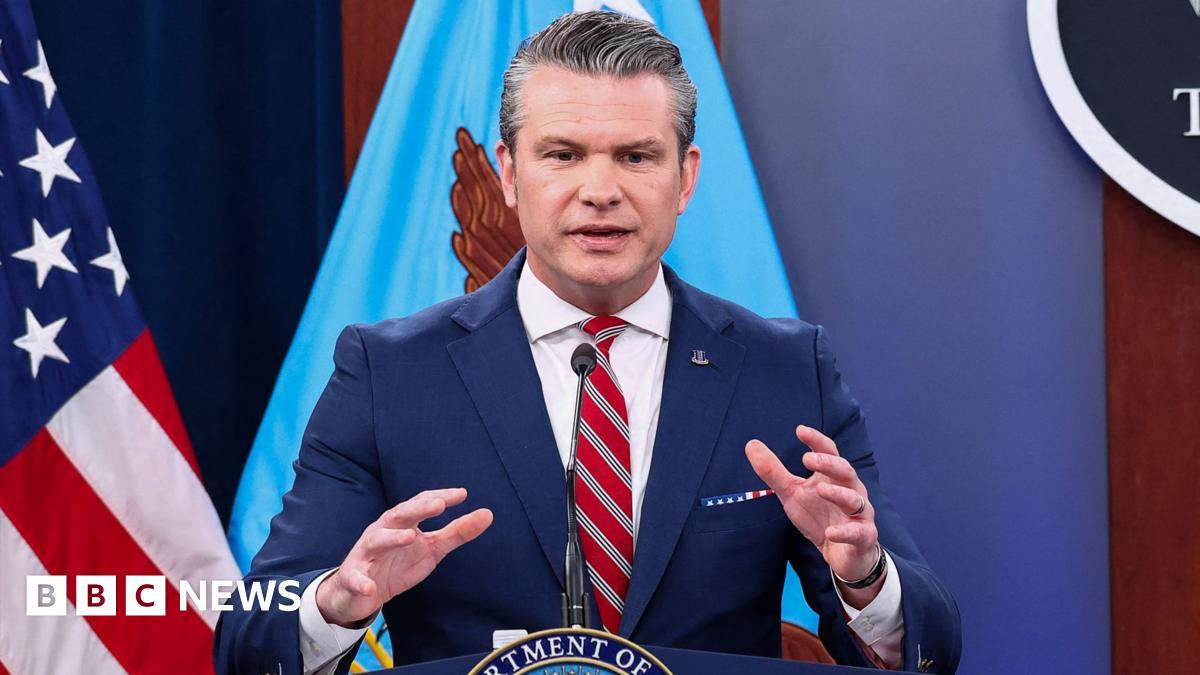
CNN also reported that Rubio defended U.S. efforts to economically pressure Iran through sanctions and a maritime blockade, arguing the measures are necessary to protect global commerce and civilian shipping.
NPR similarly said Rubio insisted peace would require a convincing demonstration that the Iranian government won’t attempt to pursue atomic arms, and it described the blockade as remaining in place even as the effort to guide stranded vessels was paused.
The Washington Post described the broader negotiation context, saying the two sides agreed to a ceasefire on April 7 that largely halted fighting, and it said they had exchanged proposals and held face-to-face talks in Pakistan but failed to bridge differences including Iran’s nuclear program.
CNBC connected the diplomatic uncertainty to energy markets, saying the strait remained largely closed and inventories were being run down, while quoting Ben Powell that the situation was “very unsettling” after missile warnings in Abu Dhabi for several weeks.
What Happens Next
The reporting emphasized that the pause did not end the standoff and that the next phase would depend on whether Iran’s actions met U.S. thresholds and whether negotiations could produce a settlement.
NBC News said Caine told reporters that Iran’s attacks were “below the threshold of restarting major combat operations,” and it reported that when asked what Iran would need to do to violate the ceasefire, Trump replied, “Well, you’ll find out, because I’ll let you know.”
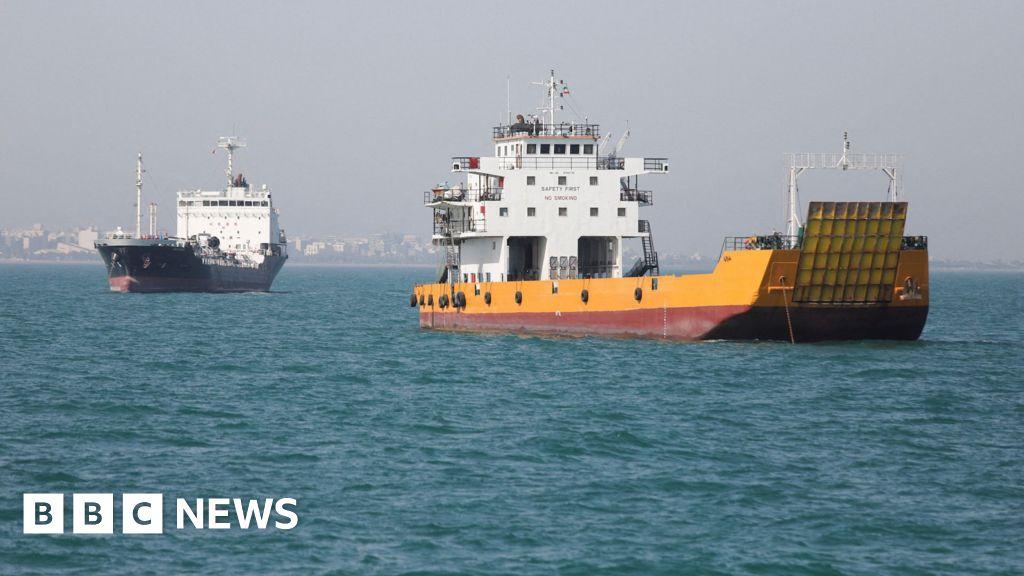
NPR said Rubio told reporters that for peace to be achieved, Iran must agree to Trump’s demands on its nuclear program and reopen the Strait of Hormuz, and it reported that Rubio said he hoped Chinese officials would reiterate to Tehran the need to release its chokehold on the strait during the expected visit to China by Iranian Foreign Minister Abbas Araghchi on Wednesday.
CNN reported that Rubio spoke with Russian Foreign Minister Sergey Lavrov about Iran and that the call was held at Lavrov’s request, and it said the Russian Foreign Ministry described the conversation as “constructive and businesslike.”
The Guardian said more than 800 ships and roughly 20,000 crew members remained stranded west of the narrow waterway, and it described Iran threatening to deploy mines, drones, missiles and fast-attack craft while the U.S. countered by blockading Iranian ports.
CNBC said markets were likely to remain on tenterhooks as geopolitical risks could weigh on markets and corporate earnings, quoting Tina Fordham that “The question of the week is whether geopolitical risks will remain messy but contained, or break through to weigh on markets and corporate earnings.”
More on Iran
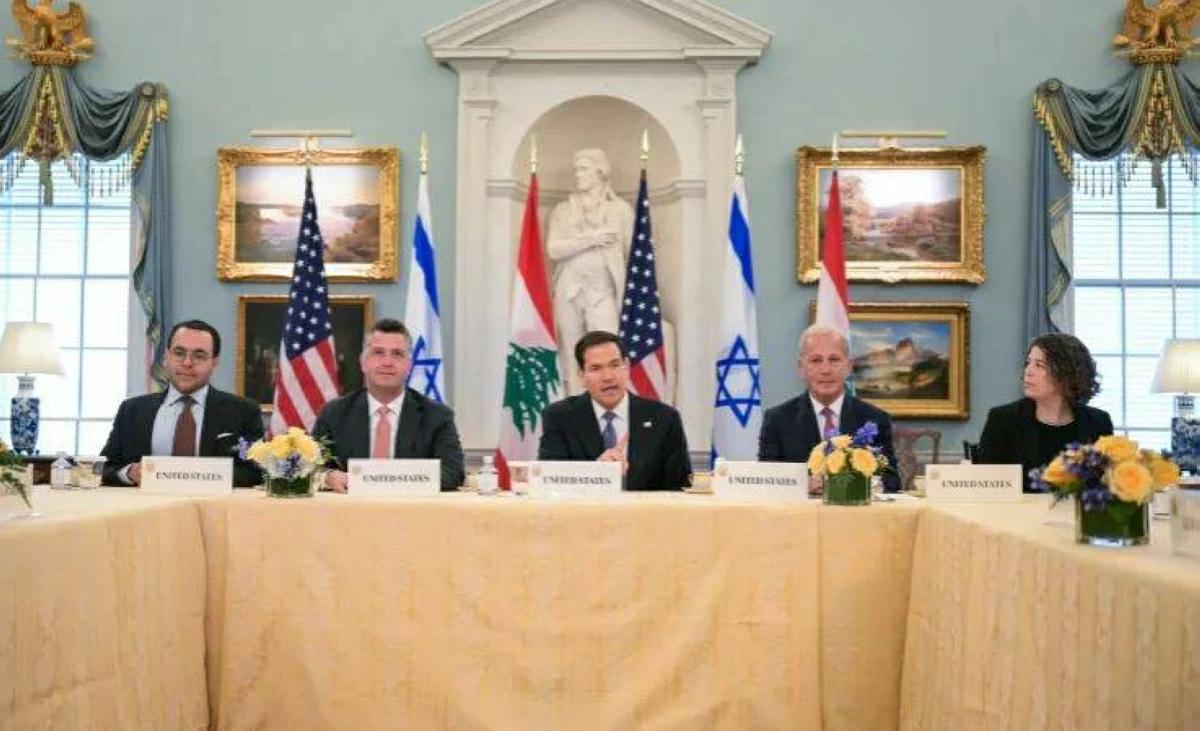
Israel and Hezbollah Agree Ceasefire After Lebanon Airstrikes Killed 47
12 sources compared

Israel And Hezbollah Ceasefire Delays U.S.-Iran Talks In Switzerland, Swiss Foreign Ministry Confirms
12 sources compared

Congress Could Block Donald Trump’s Iran MOU Sanctions Waivers Under INARA
12 sources compared

Iran’s Leaders Back US-Iran Memorandum Red Lines as Switzerland Talks Postponed
21 sources compared