Trump Pauses Project Freedom Escort Through Strait of Hormuz While Keeping U.S. Blockade
Key Takeaways
- Trump paused Project Freedom to guide ships through Strait of Hormuz, keeping blockade intact.
- Pause to determine if a final Iran deal can be struck; progress cited.
- Announcement posted on Truth Social; described as temporary, following rapid developments.
Project Freedom Paused
President Donald Trump announced on Tuesday evening that the United States would pause its day-old operation to escort commercial ships through the Strait of Hormuz “for a short period of time,” while keeping the U.S. blockade of Iranian ports in place.
The New York Times reported that Trump made the announcement in a social media post hours after Secretary of State Marco Rubio asserted that the United States had concluded combat operations against Iran and was fully focused on the new mission.

The Times also said the operation was dubbed Project Freedom and began on Monday, with only three commercial ships managing to make it through the strait since the operation started.
The New York Times added that Trump’s sudden shift came as the war entered its third month and as ship traffic remained a major point of contention in a shaky cease-fire.
AP similarly reported that Trump downplayed tensions with Iran, calling the conflict a “skirmish” and claiming the U.S. has “total control,” while saying Iran is quietly negotiating and “wants to make a deal.”
AP said Trump’s decision was announced in a social media post and was intended to give space for U.S. efforts to finalize a settlement with Iran to end the war, while the blockade would remain in place.
Al Jazeera likewise reported that Trump said the U.S. military operation to move stranded ships out of the Strait of Hormuz had been paused temporarily, and that the decision was made “based on the request” of Pakistan and other countries and “the fact that Great Progress has been made toward a Complete and Final Agreement.”
Cease-Fire and Competing Claims
The pause unfolded against a backdrop of competing claims about whether the cease-fire was holding and who controlled the Strait of Hormuz.
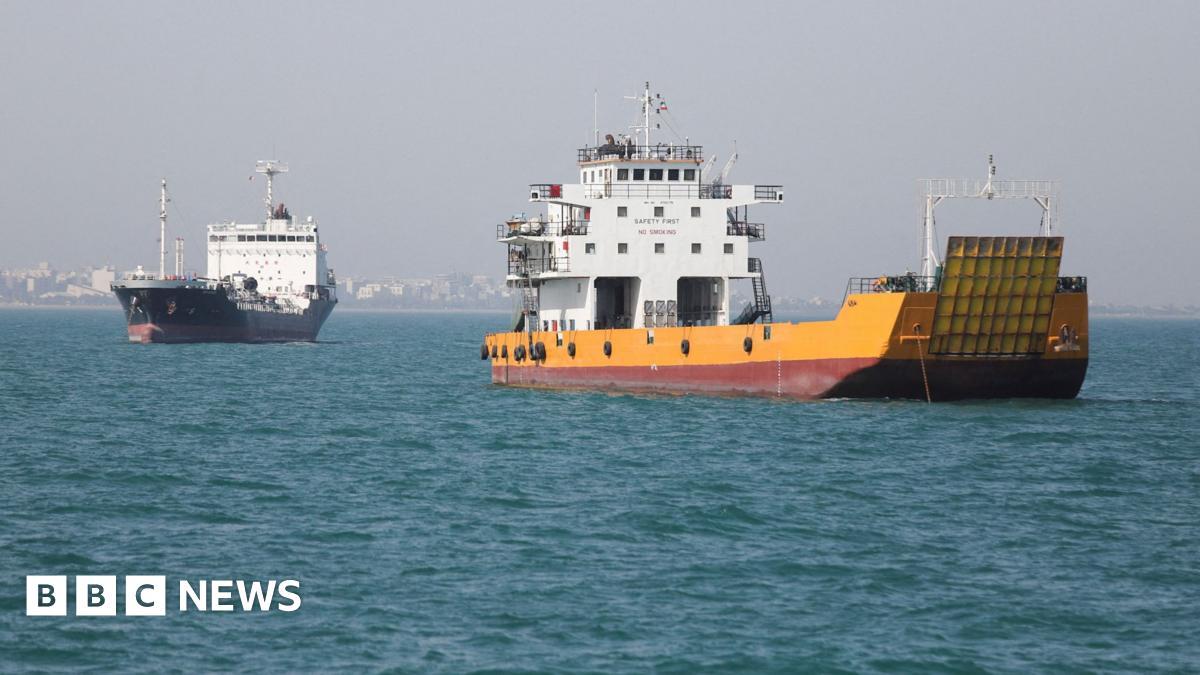
The New York Times described the war as being in a shaky cease-fire and said ship traffic in the strait was “a major point of contention,” with Iran warning that vessels can pass only with its permission while the U.S. blockade keeps Iranian ships from crossing.

It also said the United States and Iran made competing claims about having control of the strait, which “remains effectively closed,” and noted that the United Arab Emirates said it had come under attack by Iranian missiles and drones for the second day in a row.
AP reported that the ceasefire held amid new attacks, and said Rubio insisted that a ceasefire in the Middle East was still holding even though the conflict was not resolved.
AP also quoted Rubio saying “There’s no shooting unless we’re shot at first, OK?” and “We’re not attacking them,” while describing U.S. efforts to reopen the strait as defensive and aimed at helping thousands of civilian sailors stranded there.
The New York Times said commercial traffic was at a near-total standstill, adding that two commercial vessels crossed under U.S. military protection on Monday and only one on Tuesday, compared with around 130 vessels a day before the war.
CNBC added that nearly 23,000 sailors on vessels representing 87 countries have been stranded in the Persian Gulf because of Iran’s de facto closure of the Strait of Hormuz, and said Rubio described them as “left for dead.”
Rubio, Hegseth, and Iran’s Response
U.S. officials framed Project Freedom as defensive while insisting the cease-fire was not over, and Iran’s leadership signaled continued resistance to the U.S. attempt to reopen the waterway.
“Trump says he is pausing the US effort to guide stranded vessels out of the Strait of Hormuz President Donald Trump downplayed tensions with Iran Tuesday, calling the conflict a “skirmish” and claiming the U”
AP reported that Defense Secretary Pete Hegseth and Gen. Dan Caine told a news conference that Iran’s renewed attacks had not reached the threshold of what Caine called “major combat operations,” and that Tuesday marked a “quieter” day in the strait.
AP quoted Hegseth saying “The ceasefire is not over,” and said Rubio told reporters that clashes related to American efforts to reopen the strait were “defensive in nature.”
AP also included a statement from Iran’s parliament speaker and chief negotiator, Mohammad Bagher Qalibaf, who posted on X that “We know full well that the continuation of the status quo is intolerable for America; while we have not even begun yet,” while adding that his statement did not mention negotiations with the U.S. in the form of passing messages via Pakistan.
CNBC reported that Defense and geopolitical experts were skeptical that Project Freedom would achieve its goals, and said Iran responded with renewed hostility that further strained the ceasefire.
CBS News described Iranian officials reacting “furiously” to Project Freedom and said Iran warned any ship that tries to transit the strait without its permission will be targeted.
The Guardian added that Rubio told reporters that many countries want to help open Hormuz but some lack the ability to do so, and quoted Rubio saying, “The capabilities is the issue. A lot of countries would love to do something about it. But they don’t have a navy, right? Or they can’t get there in time.”
What Different Outlets Emphasized
While all outlets described Trump’s pause and the continued blockade, they differed in what they foregrounded—negotiation framing, operational details, or the broader political and economic stakes.
The New York Times emphasized the abruptness of the U-turn, noting that Trump’s announcement came “only hours after Secretary of State Marco Rubio asserted” the U.S. had concluded combat operations against Iran and was focused on the new mission, and it highlighted the low number of ships that had passed, with only three commercial ships managing to make it through since Monday.
AP emphasized Trump’s characterization of the conflict as a “skirmish” and his claim of “total control,” while also stressing Rubio’s insistence that the ceasefire was still holding and quoting Rubio’s “There’s no shooting unless we’re shot at first, OK?” line.
Al Jazeera focused on the mechanics of Trump’s stated rationale, quoting his Truth Social framing that the blockade would remain in full force and effect while Project Freedom would be paused “to see whether or not the Agreement can be finalized and signed.”
CBS News highlighted the operational timeline by stating Project Freedom was unveiled late Sunday and took effect the following morning, and it described the strait as a “21-mile-wide chokepoint” that normally carries “one-fifth of the world’s oil.”
CNBC, by contrast, tied the pause to market expectations by reporting that stock futures rose after Trump’s announcement and by describing the stranded sailors as “left for dead” by the Iranian regime.
CNN emphasized the ceasefire language, stating that U.S. action during the ceasefire was a “defensive operation,” and it included a detailed quote from Trump’s Truth Social post about pausing Project Freedom while the blockade remains in force.
The Guardian added a political-economy angle by reporting that the U.S. national average retail price of gasoline surpassed “$4.50 a gallon” on Tuesday for the first time since July 2022, linking it to Memorial Day weekend and midterm election risks.
Consequences and Next Steps
The pause raised immediate questions about what comes next for the cease-fire, the blockade, and the fate of ships and sailors waiting in the Persian Gulf.
“Bowen: Strait of Hormuz standoff raises risk of sliding back into all-out war The ceasefire in the Gulf is four weeks old and showing its age”
The New York Times said commercial traffic was at a near-total standstill and that ship traffic remained effectively closed, while also noting that the U.S. blockade would “remain in full force and effect.”
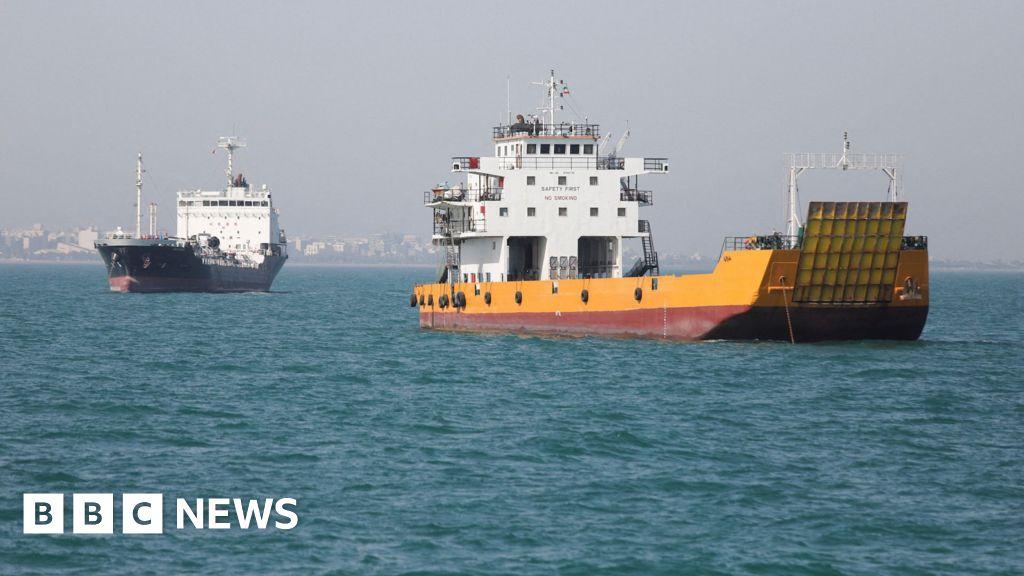
AP reported that Rubio said at least 10 sailors had already died as a result of the blockade, and it described how the U.S. pressed to reopen the strait, including sinking six small Iranian boats that had threatened commercial ships.
CNBC reported that Rubio said the goal of Project Freedom was to “rescue” those sailors, who have been “left for dead” by the Iranian regime, and it quoted Rubio’s warning that “Nations from around the world” were at risk of losing cargo and “the lives of their own citizens.”
CNN described the pause as a step to see whether a deal with Iran can be finalized, while also quoting Rubio’s framing that Project Freedom was “separate and distinct” from the ongoing military operation and focused on protecting “innocent commercial shipping from Iranian aggression.”
The Guardian added that Britain’s Maritime Trade Operations agency reported that a cargo vessel had been struck by a projectile in the strait, and it said no other details were known at that stage.
Looking ahead, AP said Rubio expressed hope that during the expected visit to China by Iranian Foreign Minister Abbas Araghchi on Wednesday, Beijing would reiterate to Tehran the need to release its chokehold on the strait.
The BBC described the ceasefire as four weeks old and showing its age, warning that the standoff raised the risk of sliding back into all-out war, and it said the question was whether the escort ended there or whether more action and reaction followed.
More on Iran
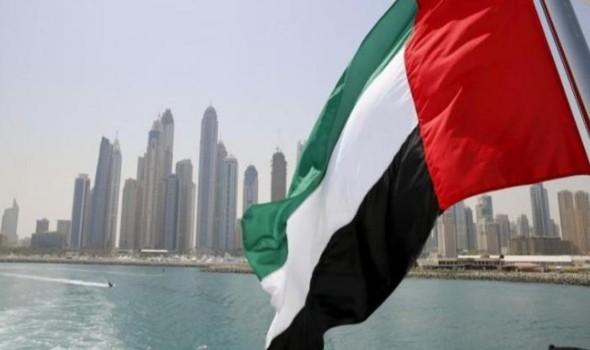
Iran Condemns UAE’s Cooperation With Hostile Parties, Denies Missile And Drone Attacks
18 sources compared

Donald Trump Pauses Project Freedom To Guide Ships Out Of Strait Of Hormuz
26 sources compared
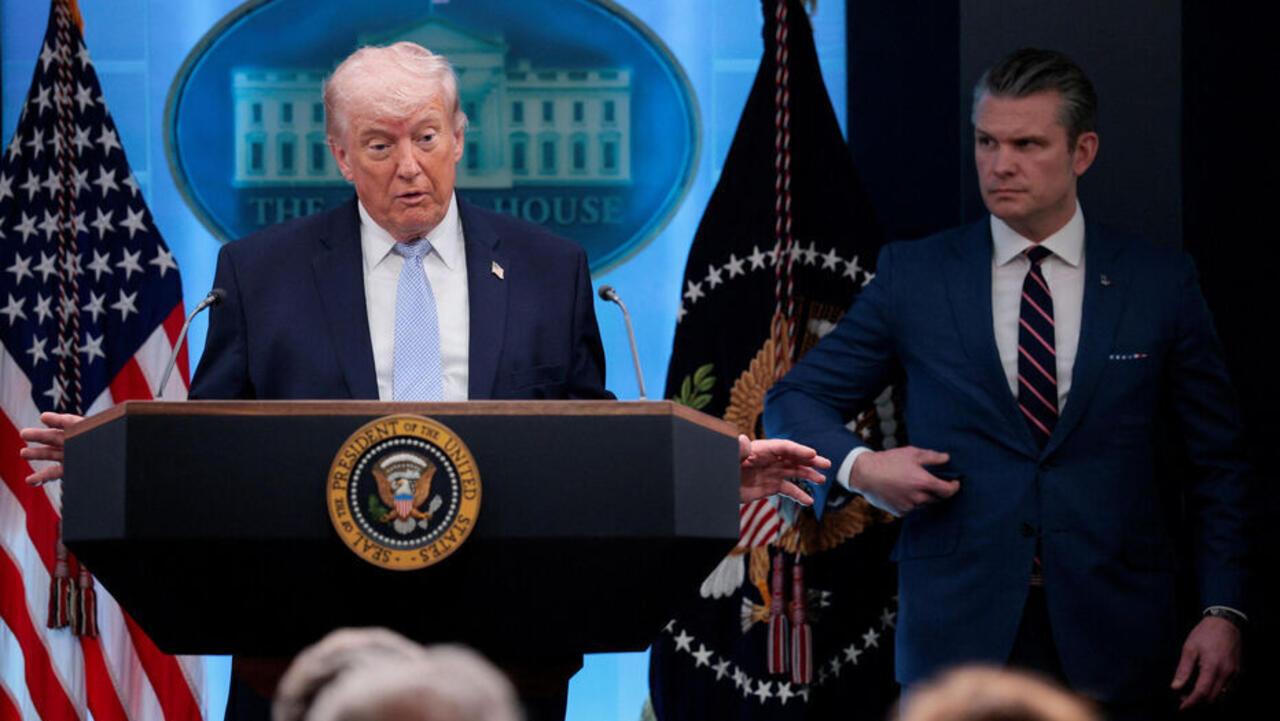
War Powers Act Deadline Expires as Congress Returns Without Authorizing Trump’s Iran War
12 sources compared

Trump Pauses Project Freedom as U.S. Maintains Blockade in Strait of Hormuz
28 sources compared