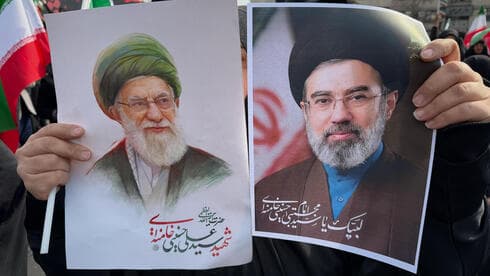
Iran weakened but intact, not rebuilding enrichment, says U.S. intelligence chief Tulsi Gabbard.
Key Takeaways
- Iran's government intact but largely degraded after strikes.
- Iran not rebuilding nuclear enrichment program destroyed in last year's strikes.
- Director of National Intelligence Tulsi Gabbard testified at a Senate intelligence committee worldwide threats hearing.
Iran's Current Status
U.S. Director of National Intelligence Tulsi Gabbard informed the Senate Intelligence Committee that Iran's regime appears to be intact but largely degraded following recent U.S. and Israeli military operations.
The intelligence community assessment indicates that sustained strikes have weakened Tehran's leadership and military capabilities, yet the government structure remains standing.

Gabbard characterized Iran as maintaining stability despite facing internal challenges and economic struggles from sanctions.
This assessment reflects a nuanced view of Iran's current situation, acknowledging both its resilience and diminished regional power.
The testimony comes amid increasing tensions in the Middle East as the conflict enters its third week.
Nuclear Program Assessment
Regarding Iran's nuclear program, Gabbard provided contradictory assessments in her written versus oral testimony.
In her written statement submitted to the committee, she stated that 'as a result of Operation Midnight Hammer, Iran's nuclear enrichment program was obliterated,' with no attempts to rebuild it and underground facilities sealed with cement.

However, when pressed during the hearing about whether Iran had posed an imminent nuclear threat before the strikes, she deflected questions.
The UN nuclear watchdog and independent observers have not backed the claim that Iran was on the verge of building a bomb, and evidence suggests Tehran had been in talks with Trump's envoys on a possible deal in the days before the attack.
This discrepancy between Gabbard's written assessment and her oral testimony created additional scrutiny about the intelligence community's stance on Iran's nuclear capabilities.
Military Capabilities Degraded
The intelligence community assessment reveals that Iran's conventional military power projection capabilities have been largely destroyed, significantly limiting Tehran's strategic options in the region.
Gabbard testified that Iran's 'conventional military power projection capabilities have largely been destroyed, leaving limited options' and that 'Iran's strategic position has been significantly degraded.'
This assessment comes as the U.S. continues 'Operation Epic Fury,' which intelligence officials believe is advancing fundamental change in the region that began with Hamas' attack on Israel on Oct. 7, 2023.
However, Tehran continues to refuse compliance with its nuclear obligations, with the International Atomic Energy Agency denied access to key facilities, suggesting ongoing defiance despite military setbacks.
Testimony Scrutiny
Gabbard faced intense scrutiny during the hearing regarding her advice to President Trump and the administration's preparation for the conflict.
Democratic senators pressed her on whether she had warned Trump that Iran might shut the Strait of Hormuz if attacked, but she repeatedly deflected questions about internal conversations, stating 'I have not and won't divulge internal conversations.'

When pressed by Senator Mark Warner about why she omitted portions of her written testimony that contradicted the president's narrative about Iran's nuclear threat, she attributed it to time constraints, saying 'I recognized that time was running long, and I skipped through some of the portion you chose.'
The hearing also came amid the resignation of Gabbard's senior aide Joe Kent, who resigned over the war, stating 'Iran posed no imminent threat to our nation, and it is clear that we started this war due to pressure from Israel and its powerful lobby.'
Future Outlook
Looking ahead, the intelligence community assessment indicates that if the Iranian regime survives the current conflict, it will likely seek to begin a yearslong effort to rebuild its military, missiles and UAV forces.
Gabbard warned that internal tensions and resistance to the regime inside Iran are likely to increase as the country's economy continues to struggle under U.S. and international sanctions.

The assessment also noted that Iran previously demonstrated space launch and other technology it could use to begin to develop a militarily viable ICBM before 2035, should Tehran attempt to pursue that capability.
Meanwhile, Russia, China, North Korea, Iran and Pakistan have been researching and developing new and advanced missile systems with nuclear and conventional payloads that put the U.S. homeland within range, according to the intelligence community.
This long-term outlook suggests that while Iran is currently weakened, its strategic ambitions and technological capabilities remain intact despite current setbacks.
More on Iran

Israel Kills Ali Larijani and Gen. Gholam Reza Soleimani in Overnight Strikes
31 sources compared

Trump Waives Jones Act for 60 Days to Relieve Oil Price Surge Amid Iran War
10 sources compared

President Trump waives Jones Act to ease fuel costs amid US-Israel war against Iran.
10 sources compared
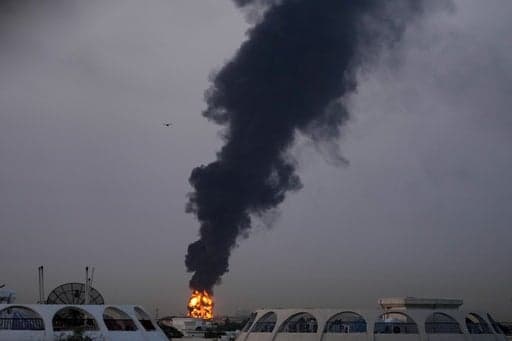
Iran Attacks With Missiles After Israel Kills Two Senior Iranian Officials
23 sources compared