
Iran Wounds About 140 US Troops in Rocket and Drone Strikes, Pentagon Says
Key Takeaways
- About 140 U.S. service members were wounded by Iranian rocket and drone strikes
- Eight U.S. service members were severely injured
- Iranian strikes killed seven U.S. service members in Kuwait and Saudi Arabia
Scope of casualties
The Pentagon reported that roughly 140 American service members were wounded in Iranian rocket and drone strikes during the conflict the U.S. is calling Operation Epic Freedom, with the War Department saying “around 140 American service members have been wounded” and some fatalities linked to Iranian strikes.
“The Pentagon said about 140 U”
New York Post coverage cites both the Pentagon statement on the total wounded and reports that “Seven service members have been killed by Iranian strikes — including six following a March 1 Iranian strike on a US base in Kuwait and one following a strike the same day on a base in Saudi Arabia,” while Fox 11 Los Angeles noted broader government movement and public response amid the conflict, reporting that “State Department says more than 40,000 Americans have returned to US from the Middle East since start of Iran war.”

Injury severity and care
Pentagon officials emphasised that the majority of the combat injuries were described as minor and many service members have returned to duty, though a small number remain severely wounded and are receiving intensive care.
The New York Post quoted Pentagon spokesman Sean Parnell saying, “The vast majority of these injuries have been minor,” and noting that “108 service members have already returned to duty. Eight service members remain listed as severely injured and are receiving the highest level of medical care.”
Fox 11’s reporting on government operations cited administrative steps such as the use of emergency funds and evacuation flights as part of the U.S. response to the wider crisis.
Incidents and intelligence
Details about specific incidents and the timeline are included in reporting but not exhaustively clear in the available excerpts: New York Post reports link multiple fatalities to strikes on March 1 at U.S. bases in Kuwait and Saudi Arabia and notes a later death on March 6 from an unspecified medical emergency.
“The Pentagon said about 140 U”
The Fox 11 excerpt highlights related diplomatic and intelligence frictions, reporting an Associated Press account that “President Donald Trump's envoy said during an interview Tuesday on CNBC that the issue was raised during a call Trump had with Putin and the Russians told the president they were not sharing intelligence.”
These pieces together show both battlefield and diplomatic dimensions but leave gaps on exact locations, unit details, and full timelines in the provided text.
Administration messaging
The White House and administration officials offered assessments of the campaign’s progress and casualty estimates amid political scrutiny: New York Post reported President Trump saying “We’re going to go further. But the big risk on that war has been over for three days. We wiped them out in the first two days,” and cited White House Press Secretary Karoline Leavitt confirming a “ballpark” figure of around 150 U.S. military members suffering combat injuries in response to Reuters.
Fox 11 added polling context showing public concern, reporting that polls find “about half of voters in Quinnipiac and Fox News polls said the U.S. military action in Iran makes the U.S. 'less safe,'” and a CNN poll finding similar public doubts about the effects of military action.
Together these extracts show official optimism about operational progress alongside public worry and contested casualty numbers in reporting.
Evacuations and context
The U.S. government also took logistical steps for civilians amid the wider Iran war, deploying emergency funding for evacuations and running charter flights even as many Americans chose to return commercially or remain abroad.
“The Pentagon said about 140 U”
Fox 11 reported that the State Department confirmed using emergency funds and “has organized more than two dozen charter flights that have carried thousands of U.S. citizens from various Mideast countries to either the United States or Europe,” while noting that “seats available on the department’s charter options are significantly greater than the demand” and that “private Americans are obligated to reimburse the government for such transportation but Secretary of State Marco Rubio waived that requirement last week.”
New York Post coverage of the troop injuries and war aims framed the military campaign’s objectives — including destroying Iran’s nuclear and missile programs and degrading proxy networks — as context for why U.S. forces and regional dynamics remain engaged.
Together, these reports link civilian evacuation logistics to the same conflict that produced the troop casualties.
More on Iran
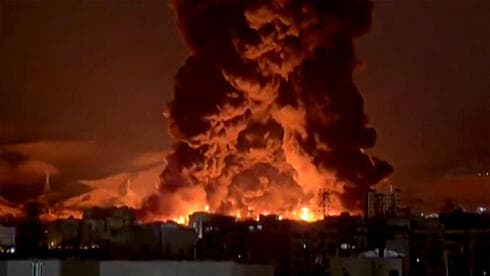
US obliterates military targets on Iran’s Kharg Island, Trump warns
13 sources compared
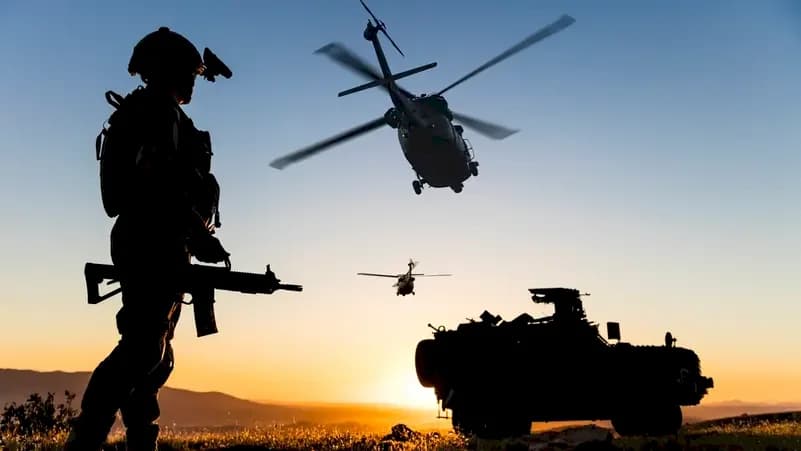
US Deploys About 2,500 Marines to Middle East After Iran Attacks Gulf Shipping
33 sources compared
FBI Warns of Iranian Drone Plot Based on Unverified Tip; California Says No Credible Threat
10 sources compared

White House Demands ABC Retract Report Claiming Iran Sought To Launch Drone Attacks On California
11 sources compared