Iran-Israel15 December, 20253 min read
Iranian Authorities Refuse Independent Medical Exam for Nobel Laureate Narges Mohammadi After Security Forces Beat Her During Arrest
This article is an automated aggregation of coverage from news outlets. Our editorials offer in-depth analysis curated by the NewsCord team.
Security forces severely beat Narges Mohammadi during her arrest, causing head and neck injuries. Mohammadi was taken to hospital twice after the assault.

8 outlets told this the same way.
Outlets did split on U.S. Intercepts Iran Message Activating Sleeper Cells After U.S.-Israel Strike Kills Khamenei →
Seizure and beating of activist
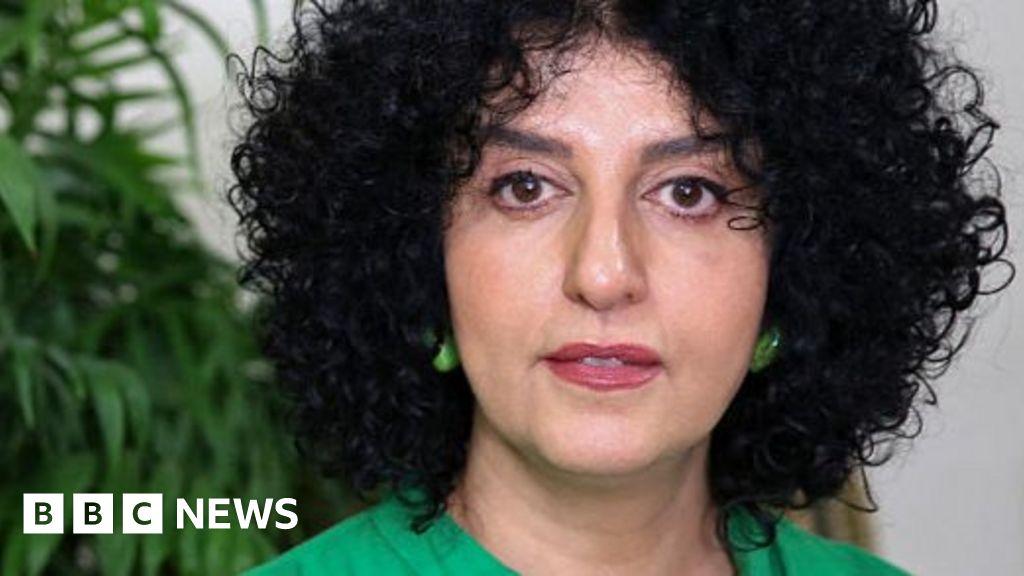
Narges Mohammadi, the 2023 Nobel Peace Prize laureate and longtime Iranian human rights defender, was reportedly seized in Mashhad while attending a memorial and beaten so severely that her family says she required emergency treatment twice. Sources say she called her family saying plain-clothed agents had hit her in the head and neck and issued death threats. PEN International condemned the "violent arrest and detention" and demanded her immediate release, "urgent medical care and protection from torture."
“PEN International has condemned the violent arrest and detention of Iranian writer, human rights defender and 2023 Nobel Peace Prize laureate Narges Mohammadi ... call for her immediate and unconditional release ... urgent medical care and protection from torture.”
The Narges Foundation and the BBC report she was brought to an emergency department twice after being attacked by plain-clothed agents who delivered severe and repeated baton blows to her head and neck. RFE/RL and Vijesti say eyewitnesses described about 15 plain-clothed assailants using batons and clubs. Mohammadi said she did not know which security agency held her.

Memorial policing dispute
Accounts differ on the scale and policing of the memorial. AL-Monitor reports a large, security-heavy gathering of about 1,500 people, and Iranian authorities said 39 were detained, while Mohammadi’s Paris-based lawyer estimated at least 50 arrests.
RFE/RL and vijesti say security forces broke up the event using tear gas and that several activists — including Sepideh Gholian (also spelled Golian), Pouran/Puran Nazemi and Alieh Motalebzadeh — were beaten or detained amid chaotic scenes. Those sources and PEN say surveillance footage and official explanations are being questioned by Alikordi’s family and supporters following his December 5 death.
Health and imprisonment concerns
Mohammadi’s health history and lengthy prison record are central to concerns about her treatment. PEN details that combined sentences from earlier convictions total more than 35 years in prison plus 154 lashes. RFE/RL and Vijesti note she was released on medical grounds in early December 2024 after serving roughly 13–14 years and had resumed human-rights work.
“Mohammadi ... won the 2023 Nobel Peace Prize for her work against female oppression and has spent more than a decade in prison.”
BBC and PEN underscore that she has spent more than a decade in prison and that rights groups fear denial of medical care could be life‑threatening. AL-Monitor adds that family members and her husband say requests for an independent medical exam were refused, intensifying alarm over her current condition.
Reactions and legal escalation
International and rights-group responses have varied. PEN has called for disclosure of her whereabouts, access to family and counsel, and for the charges to be quashed. Amnesty, as reported by AL-Monitor, accuses security forces of torture and other ill-treatment.
The Norwegian Nobel Committee condemned the "brutal arrest," according to RFE/RL. BBC and other outlets have relayed calls for her release from prominent cultural figures, including filmmaker Jafar Panahi. AL-Monitor also reports that rights groups plan to file a communication with the International Criminal Court alleging widespread crimes against humanity, a legal escalation not mentioned in other reports.

Detainees and medical care
The case also spotlights other detainees and medical-care concerns. RFE/RL and Vijesti report that several detainees made brief calls home. Alieh Motalebzadeh, a breast-cancer survivor, was initially held by the IRGC’s Intelligence Organization and then transferred to the Intelligence Ministry in Mashhad.
“Alieh Motalebzadeh’s daughter said her mother was initially held by the IRGC’s Intelligence Organization then transferred to the Intelligence Ministry in Mashhad; she warned Motalebzadeh, a breast cancer survivor needing regular treatment, has been denied essential care in detention.”
According to her family, she has been denied essential care in detention. PEN reiterates demands for disclosure of detainees' whereabouts and access to counsel and care.

AL-Monitor and RFE/RL report that activists plan legal actions and international complaints. Exact details, agency responsibility and the outcome of requests for independent medical exams remain unclear.