Full Analysis Summary
Protests and government crackdown
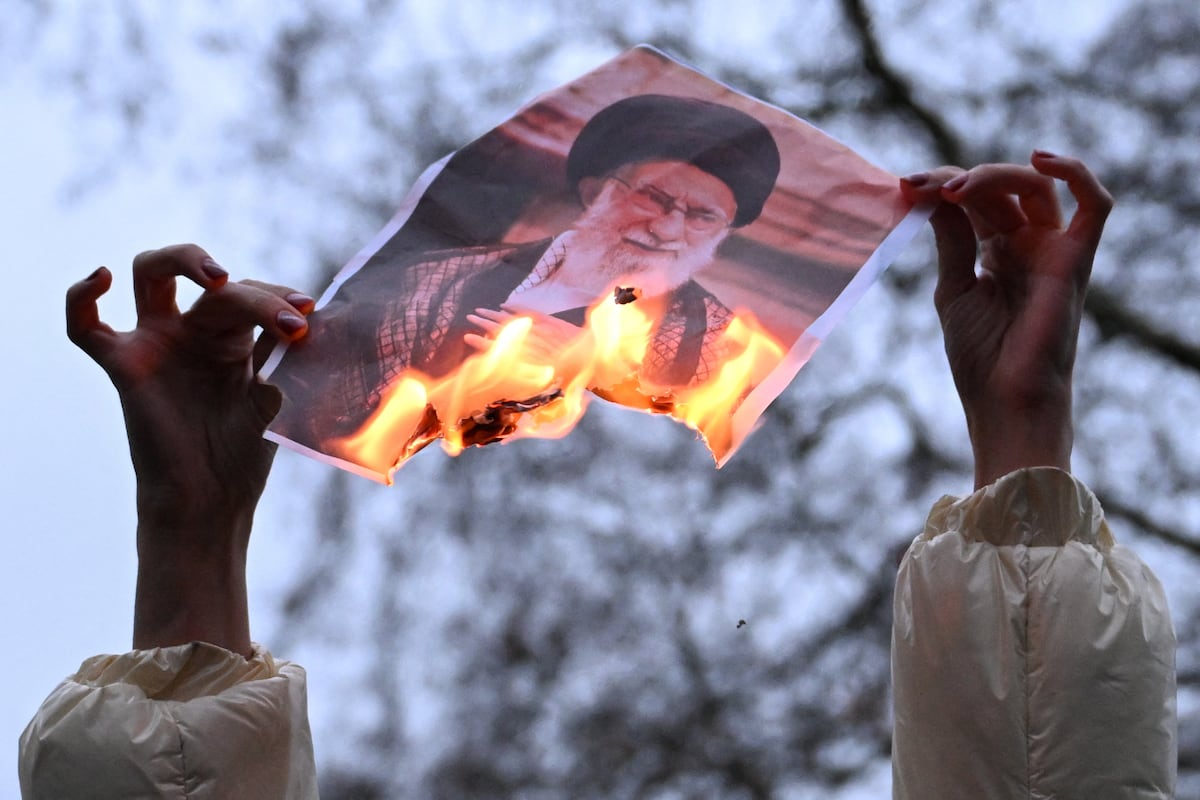
Iranian authorities staged nationwide pro-government rallies as a backdrop to an escalating and bloody crackdown on protests that began in late December over the country's economic collapse, according to provided sources.
Witnesses and rights groups reported gruesome scenes, saying families found hundreds of bodies in a Tehran morgue.
BBC contacts said one morgue near Tehran held about 180 body bags as broken families gathered to identify the dead.
Streets were described as full of blood, municipal workers hurriedly cleaned before dawn, and warnings from Supreme Leader Ayatollah Ali Khamenei and security officials about saboteurs preceded the violence.
At the same time, state-organized rallies and funerals were prominently shown in state media as authorities sought to project control.
Only two source documents were provided for this summary, limiting the range of perspectives.
Coverage Differences
Tone / Emphasis
El País (Western Mainstream) emphasizes witness accounts of brutal repression and graphic morgue reports — describing 'hundreds of bodies' and streets 'full of blood' — while AL-Monitor (Western Alternative) emphasizes the state’s mass pro-government rallies and the government’s attempts to regain control, including media coverage and a prolonged internet blackout. Each source reports other actors’ statements rather than attributing additional claims to the outlet itself.
Casualties, arrests, and repression
Casualty and arrest figures remain contested and incomplete in the available reporting.
Human-rights groups and activists cited by AL-Monitor report 'hundreds — possibly many more — killed and thousands arrested.'
One NGO estimated at least 192 dead and 2,600 arrests, while AL-Monitor noted state media showed dozens of security personnel killed and that the government declared three days of mourning.
El País adds on-the-ground descriptions and suggests the repression resembled earlier deadly crackdowns in 2019 and 2022, underscoring the scale and brutality reported by witnesses and families.
Coverage Differences
Contradiction / Data Uncertainty
AL-Monitor provides specific NGO estimates ("at least 192 dead and 2,600 arrests") and reports state media claims of security deaths and official mourning, whereas El País foregrounds witness testimony and morgue tallies without repeating NGOs’ numeric estimates. This results in different emphases: AL-Monitor frames the event with reported tallies and state responses, while El País centers graphic witness descriptions and historical parallels.
Diplomacy and Security Responses
State messaging and international diplomacy appear alongside the crackdown.
AL-Monitor reports Iran’s foreign minister, Abbas Araghchi, told diplomats Tehran is not seeking war but is fully prepared for war and said it is open to fair negotiations.
AL-Monitor adds that officials said a communication channel exists between Araghchi and a U.S. special envoy, and that Oman’s foreign minister recently met Araghchi.
El País documents internal warnings by Iran’s leadership about saboteurs and describes the domestic security posture that preceded the violence.
AL-Monitor also reports the EU is considering further sanctions and that exiled figures are urging security forces to defect, highlighting an external response dimension to the crisis.
Coverage Differences
Narrative / Focus
AL-Monitor (Western Alternative) includes diplomatic details and explicit quotes from officials (e.g., Araghchi’s statement about war readiness and communications with a U.S. envoy) and reports on international reactions such as possible EU sanctions and calls from exiled figures. El País (Western Mainstream) emphasizes internal political warnings and the domestic security crackdown. The two sources thus present complementary but distinct angles: external/diplomatic versus internal repression and witness testimony.
State information control and crackdown
Information controls and state optics are central features in the accounts.
AL-Monitor notes an internet blackout lasting over 84 hours, which activists say aimed to conceal the scale of the deadly crackdown.
The same outlet reports that state media emphasized pro-government gatherings and funerals.
El País similarly signals that municipal workers were cleaning blood from the streets.
It also notes that warnings from officials presaged a harsh response.
Together, the sources depict a campaign of information management (blackouts and curated state media) running alongside forceful suppression on the ground.
Coverage Differences
Narrative Emphasis / Media Coverage
AL-Monitor focuses on the mechanics of information control and the state's media portrayal of rallies and funerals (including a prolonged internet blackout), while El País focuses on immediate, on-the-ground witness evidence of violence and cleanup, giving a more visceral depiction of the effects. AL-Monitor’s reporting quotes activists and official statements about communications channels, whereas El País relays witness testimony and morgue counts.
Media coverage comparison
Both sources describe harsh, possibly large-scale state repression of protests and concurrent efforts to reassert control through rallies, media framing, and internet shutdowns.
AL-Monitor provides NGO tallies and diplomatic context, including Araghchi’s remarks and potential EU sanction threats, while El País emphasizes witness accounts, morgue reports, and historical parallels to earlier crackdowns.
Because only El País and AL-Monitor were provided for this exercise, broader triangulation with additional West Asian, Western mainstream, or alternative outlets was not possible, leaving casualty figures and certain claims—such as exact death and arrest totals—unclear and contested.
Coverage Differences
Missed Information / Source Limitations
The two available sources cover overlapping ground but leave gaps and uncertainties: AL-Monitor reports numerical estimates and diplomatic details, while El País emphasizes witness testimony and graphic on-the-ground reporting. The limited source set means we cannot fully reconcile casualty totals or independently verify state claims about security personnel deaths; those claims are reported as such by AL-Monitor and are not corroborated in the El País snippet.