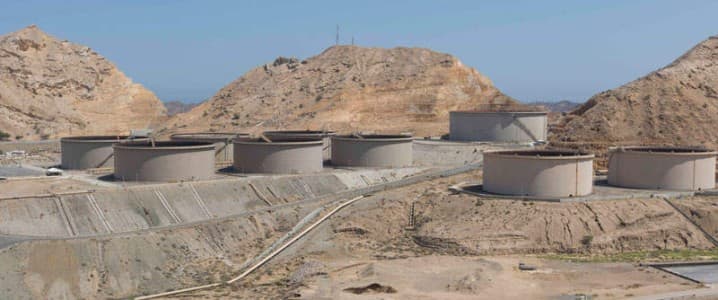
Iranian drones strike Oman's Salalah oil storage facility, tanks ablaze
Key Takeaways
- Drones struck oil storage facilities at Oman's Port of Salalah
- Fuel storage tanks at Salalah port were hit and set ablaze
- Strike occurred amid broader regional attacks on Gulf maritime and energy infrastructure
Strike and immediate reports
Iranian drones struck oil storage facilities at the Port of Salalah in Oman on Wednesday, igniting fuel storage tanks and producing video footage circulated on social media.
“BREAKING Israel carries out new attacks in western and eastern TehranIRGC says it targeted US troops in Kuwait and BahrainMultiple vessels targeted in Strait of Hormuz Click to pause breaking news tickerpause-square-backgroundClose Breaking News Tickerclose Toggle Play Oil facilities in Oman’s Salalah port ablaze after drone strikes Drones have struck oil storage facilities in Oman’s Salalah port, as local authorities say they are responding to a huge blaze”
OilPrice reported that "Iranian drones struck oil storage facilities at the Port of Salalah in Oman on Wednesday, marking the latest attack on Gulf energy infrastructure" and said "Fuel storage tanks at the port were hit in the strike".

The incident was also shared by OSINT account Visioner, whose post said: "BREAKING | A few minutes ago, Iranian drones struck Oman’s largest oil storage facilities at the Port of Salalah in Oman."
Maritime security firm Ambrey and Omani state media were cited in reporting the strikes, and Ambrey noted "no merchant vessels in the area were damaged."
Al Jazeera's live coverage page for 11 Mar 2026 included brief regional updates that appeared alongside reporting on the widening conflict in the Gulf, indicating the event occurred amid heightened regional tensions.
Campaign context
Observers and reporting framed the Salalah attack as part of a widening campaign against Gulf energy logistics and oil infrastructure tied to the broader 2026 conflict involving Iran, the United States, and Israel.
OilPrice explicitly described the strike as "the newest incident in a widening campaign targeting energy logistics and oil infrastructure across the Middle East during the ongoing 2026 war involving Iran, the United States, and Israel."
Al Jazeera's coverage on 11 March 2026 included multiple regional items—such as calls for an end to the Iran war by Turkey's president and discussion of fuel market disruptions—that situate the strike within a tense regional environment.
The social-media amplification of footage by Visioner and reporting by maritime-security sources like Ambrey contributed to rapid international awareness of the damage and implications for energy routes.
Salalah's strategic role
Salalah's strategic role in regional energy logistics was emphasised in reporting: the port is an increasingly important alternative hub for tankers seeking to bypass the Strait of Hormuz amid growing hazards.
“BREAKING Israel carries out new attacks in western and eastern TehranIRGC says it targeted US troops in Kuwait and BahrainMultiple vessels targeted in Strait of Hormuz Click to pause breaking news tickerpause-square-backgroundClose Breaking News Tickerclose Toggle Play Oil facilities in Oman’s Salalah port ablaze after drone strikes Drones have struck oil storage facilities in Oman’s Salalah port, as local authorities say they are responding to a huge blaze”
OilPrice noted that "Salalah, located on Oman’s southern coast along the Arabian Sea, has become an increasingly important hub for tankers seeking to bypass the increasingly dangerous Strait of Hormuz."
That strategic function increases the significance of any damage to fuel storage there, a point underscored by maritime-security monitoring from Ambrey and visual evidence circulated by Visioner.
Al Jazeera's broader coverage of energy and regional transport concerns on 11 March 2026 further situates Salalah within larger debates over safe fuel routes and supply resilience.
Wider implications
Analysts and reporting highlighted immediate and potential wider implications for global oil supply, maritime safety, and regional escalation.
OilPrice linked the attack to an expanding confrontation that threatens global oil logistics, saying the strike marked "the latest attack on Gulf energy infrastructure" and framed it within "the ongoing 2026 war."
Ambrey's statement that no merchant vessels were damaged provided a limited reassurance about direct shipping losses even as fuel-tank damage could constrict storage capacity and reroute flows.
Al Jazeera's coverage on 11 March 2026 included commentary on fuel market decisions and regional political pressure, reflecting concerns that continued strikes on energy sites could push markets and policymakers to seek alternative supplies or take strategic decisions with long-term consequences.
More on Iran
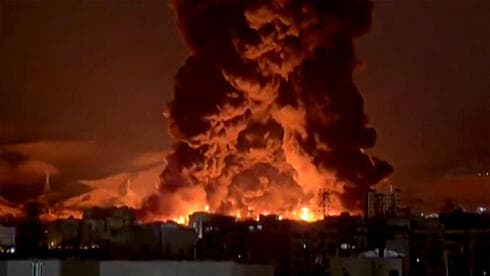
US obliterates military targets on Iran’s Kharg Island, Trump warns
13 sources compared
US Deploys About 2,500 Marines to Middle East After Iran Attacks Gulf Shipping
33 sources compared
FBI Warns of Iranian Drone Plot Based on Unverified Tip; California Says No Credible Threat
10 sources compared

White House Demands ABC Retract Report Claiming Iran Sought To Launch Drone Attacks On California
11 sources compared