
Iranian Embassies Wage AI Meme War Against Donald Trump Over Conflict Ending Talks
Key Takeaways
- Iranian embassies flood social media with AI-generated memes mocking Trump amid Iran war.
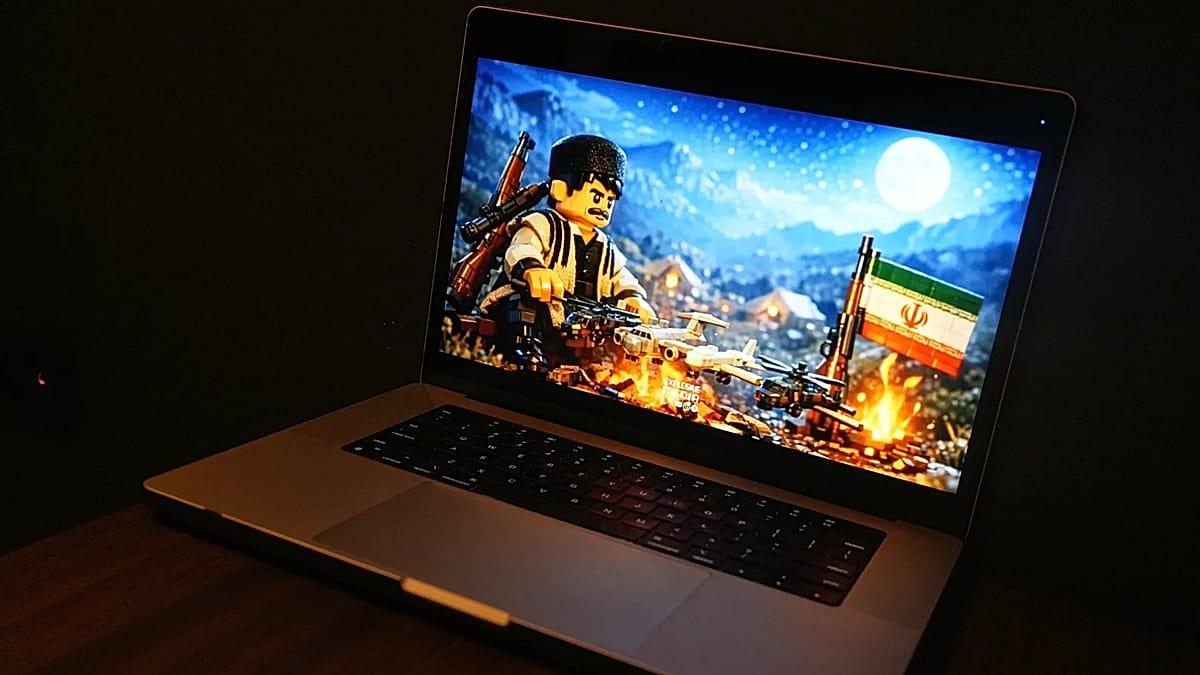
- Memes feature provocative imagery including Jesus depictions and LEGO videos; platforms ban them.
- Analysts say pro-Tehran, government-linked groups in Tehran orchestrate memes to influence the US war narrative.
AI meme war escalates
Iran’s embassies and consulates have waged a digital “meme war” against President Donald Trump, using artificial intelligence and comedic posts to sway public opinion about the conflict, according to Straight Arrow News.
“Iranian embassies are flooding social media with viral AI-generated memes mocking President Donald Trump for the Iran war”
The outlet says the jokes play out online as the two countries, and Israel, debate how to formally end the conflict that has “left thousands dead.”

Straight Arrow News describes posts that “lobbed jabs at rising gas prices,” including an “AI-generated video of Jesus Christ tossing Trump into a firepit,” and an “AI video of Trump singing a song about the Strait of Hormuz blockade.”
It also says the Iranian Ministry of Foreign Affairs lists “all 130 of its embassies and consulates online, with links to their X accounts,” and that the accounts are “all real.”
The outlet adds that the trolling reached Trump himself, quoting Trump on TruthSocial: “The Iranians are better at handling the Fake News Media, and ‘Public Relations,’ than they are at fighting,” written on April 10.
Straight Arrow News also says Reuters reported “3,636 people have been killed since the war started,” placing the meme exchanges within a broader wartime context.
YouTube bans LEGO trolls
France 24 reports that YouTube banned viral pro-Iran AI-generated LEGO videos trolling Trump, describing the “meme war” as continuing via AI “slopaganda.”
The outlet says an Iran-linked group named Explosive Media “has been pumping out viral LEGO-style videos ridiculing the US war effort in Iran, and trolling US President Donald Trump,” and that the videos “have gained an audience of hundreds of millions online.”
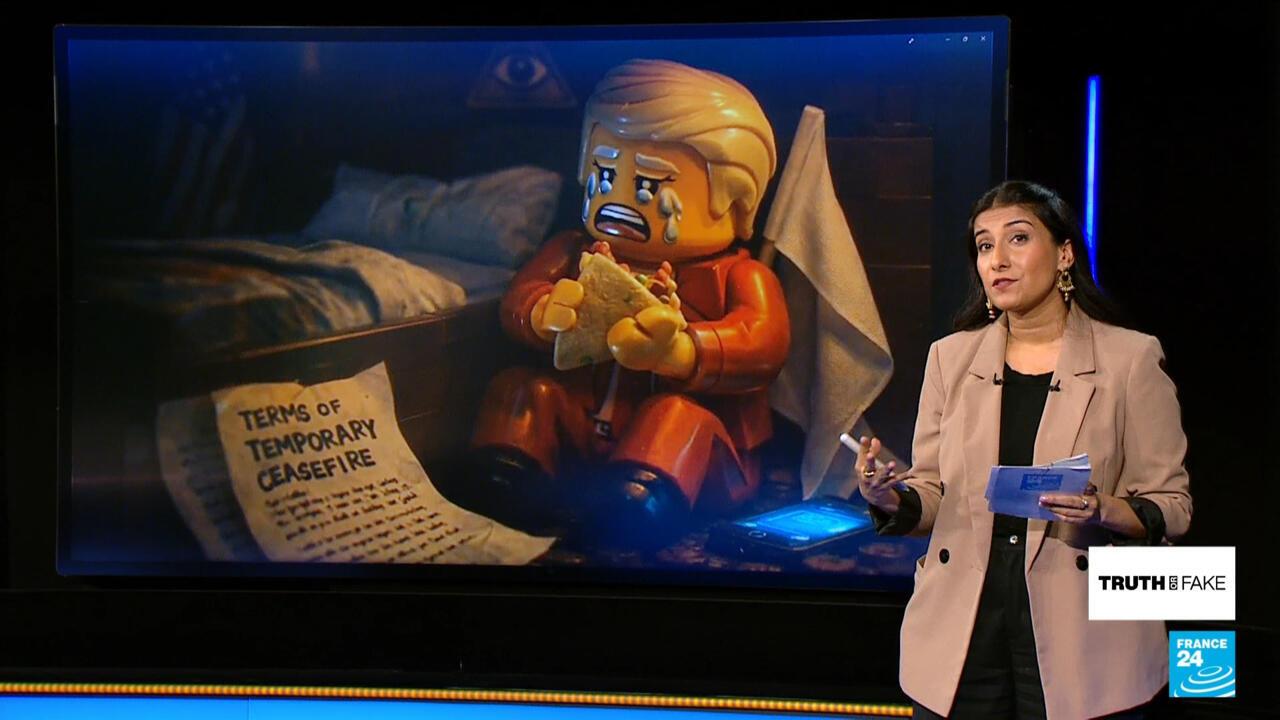
France 24 states that YouTube suspended Explosive Media’s channel for violent content and for “violating its spam, deceptive practices and scams policies,” after a LEGO-style video claimed “Iran won” last week.
It adds that the suspension prompted a reaction from Tehran’s foreign ministry, which accused YouTube of “suppressing the truth” and “shielding the US administration's false narrative from any competing voice.”
France 24 says Explosive Media’s other accounts on Meta platforms, X and TikTok “appear unaffected for the moment.”
The outlet also explains that a representative for Explosive Media told the BBC the team consists of “less than 10 people,” while “admitted the Iranian government is one of their clients,” despite having previously claimed to be independent.
France 24 frames the broader shift as Iran leaning into AI to push its narrative to a non-Iranian audience, “often using American references and satire to flood the internet.”
Analysts: propaganda aims at Trump
البيادر السياسي says analysts believe pro-Tehran groups are using AI to deceive Trump and try to control the war narrative, including by creating “engaging memes online in English” to fuel protests during the Iran war.
“YouTube bans viral pro-Iran AI-generated LEGO videos trolling Trump To display this content from YouTube, you must enable advertisement tracking and audience measurement”
The outlet attributes to Neil Lavi Draiver, an AI researcher at Cambridge University, the view that “It is a propaganda war for them,” and adds that he said: “Their aim is to create a great deal of dissatisfaction with the conflict that the West will ultimately have to concede, so this is extremely important to them.”
It also reports that memes appear to come from “government-linked groups in Tehran,” and that the strategy is to leverage “their limited resources to harm the United States, even indirectly.”
The outlet describes how the current war began with “joint US-Israeli strikes on February 28,” and says memes used lighthearted caricatures to criticize American officials.
It further claims that Iranian-aligned images circulating online include a Lego-style sequence, in which an Iranian military commander sings, “You thought you sat on your throne to run the world. And now we turn every base into a bed of stone,” while Trump dives into the Epstein file center.
The outlet quotes Nancy Snow, saying: “They are using pop culture against the country that is first in pop culture, namely the United States.”
It also includes a warning from Mehsa Al-Omrandi, director of the Waitins for Human Rights group, who said: “If you have the bandwidth required to produce this kind of content and upload it, you are collaborating with the regime, formally or informally,” while pointing to Tehran’s strict internet restrictions.
YouTube, Meta, and the clash
CNN frames the meme exchanges as an “information war” accelerated by AI, saying “AI is supercharging the US-Iran meme war.”
The outlet says Iranian embassies are “flooding social media with viral AI-generated memes mocking President Donald Trump for the Iran war,” and it describes CNN’s Will Ripley explaining how “slopaganda” is accelerating a new kind of information war.
CNN’s account places the meme war alongside other wartime developments, including “People took to the streets with fireworks and celebratory gunfire across Lebanon as a 10-day truce took effect,” aimed at halting fighting between Israel and Iran-backed Hezbollah.
CNN also says President Trump announced the ceasefire on Truth Social Thursday, and it quotes the broader political context by noting Archbishop of Chicago Cardinal Blase J. Cupich talking with CNN’s Christiane Amanpour about Pope Leo’s comments after President Donald Trump attacked the pontiff for his stance on the war with Iran.
In the same CNN piece, the outlet describes a separate thread of global news, including a Kenyan court sentencing a Chinese national to “12 months in jail” and fining him “1 million shillings” after authorities found “thousands of live ants packed in capsules at Nairobi’s airport.”
While CNN’s focus is not only on Iran’s memes, it explicitly ties the “slopaganda” framing to the US-Iran online conflict.
Taken together with France 24’s report that YouTube suspended Explosive Media for policy violations, CNN’s framing underscores that platform enforcement and wartime messaging are colliding in real time.
US propaganda mirrors the memes
الجزيرة نت describes “Memes” and video games as unconventional tools in America’s war on Iran, arguing that the US and Israel’s propaganda campaign used entertainment formats to shape public perception of strikes.
“Experts say that pro-Tehran groups are using AI to create engaging memes online in English to fuel protests during the Iran war”
The outlet cites a “one-minute video” depicting Call of Duty with intercut scenes combining a grenade launcher with “the bombing of a neighborhood and certain Iranian targets,” and says the clip was accompanied by a deep voice declaring: “We win in this battle.”
It then describes a second clip, “42 seconds long,” titled “Justice the American Way,” featuring American actor Tom Cruise, with a montage drawn from Hollywood films such as Braveheart and Top Gun, and it says that “real aircraft intersect with him” as the video shows planes taking flight to bomb targets in Tehran and Iran’s major cities.
الجزيرة نت says these clips were “produced by the White House and the Pentagon” as part of a public-relations promotional campaign for the war the United States and Israel waged on Iran on February 28 of last year.
It adds that the clips were criticized by Barack Obama’s former speechwriter Jon Favreau, who said they were attempting to downplay the war by making it look like one round of video games, with “total disregard for the victims’ lives,” and by turning deadly strikes into “entertainment content.”
The outlet also says Reuters reported on March 7 that Donald Trump’s war-propaganda campaign on Iran marked a “radical shift” in public-relations and war-propaganda strategies.
It further reports that Ben Stiller objected to the use of footage from his film Tropic Thunder, with the outlet quoting his post on X that “war is not a movie, and that he does not want to be part of the machinery of war propaganda.”
More on Iran
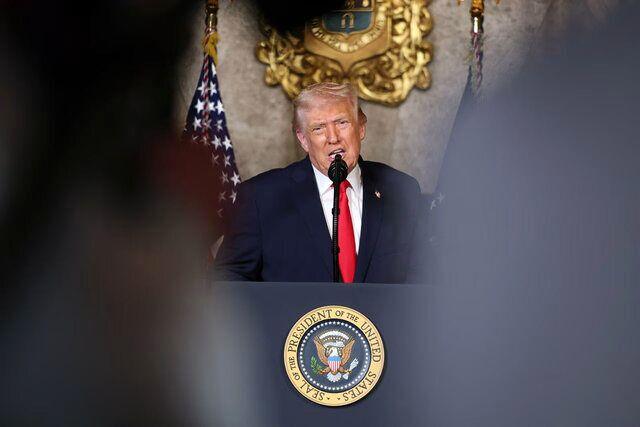
Trump Tells Las Vegas Supporters Iran War Should End Pretty Soon
21 sources compared

US Naval Blockade Near Strait Of Hormuz Pushes Iran Into Broader Conflict Negotiations
11 sources compared

U.S. Implements Naval Blockade on Iran, Halting 13 Ships in Strait of Hormuz
10 sources compared

U.S. Central Command Enforces Iran Port Blockade, Halting Sea Trade Worldwide
28 sources compared