
Iranian Foreign Minister Araghchi Rejects US Claim of Planned Attack, Accuses Israel of Engineering Escalation
Key Takeaways
- Denied US allegations Tehran planned attacks on American forces
- Called those allegations 'a sheer and utter lie'
- Accused Israel of engineering escalation and a US‑Israeli campaign
Araghchi's categorical denial
Iranian Foreign Minister Abbas Araghchi publicly and forcefully denied US reports that Tehran was planning attacks on American forces, calling those assertions "a sheer and utter lie" and rejecting the allegation as fabricated.
“Iranian Foreign Minister Rejects Claims of Planned US Attack as ‘Sheer Lie,’ Accuses Israel of Engineering Escalation Iran’s Foreign Minister Abbas Araghchi rejected claims Tehran planned attacks on US forces, calling them lies and accusing Israel of engineering escalation, as Donald Trump warned Iran over possible mining of the Strait of Hormuz”
Kurdish reporting framed his response as a direct rebuttal to claims of an Iranian attack and noted the wider diplomatic backdrop including warnings from former US President Donald Trump about potential mining in the Strait of Hormuz.
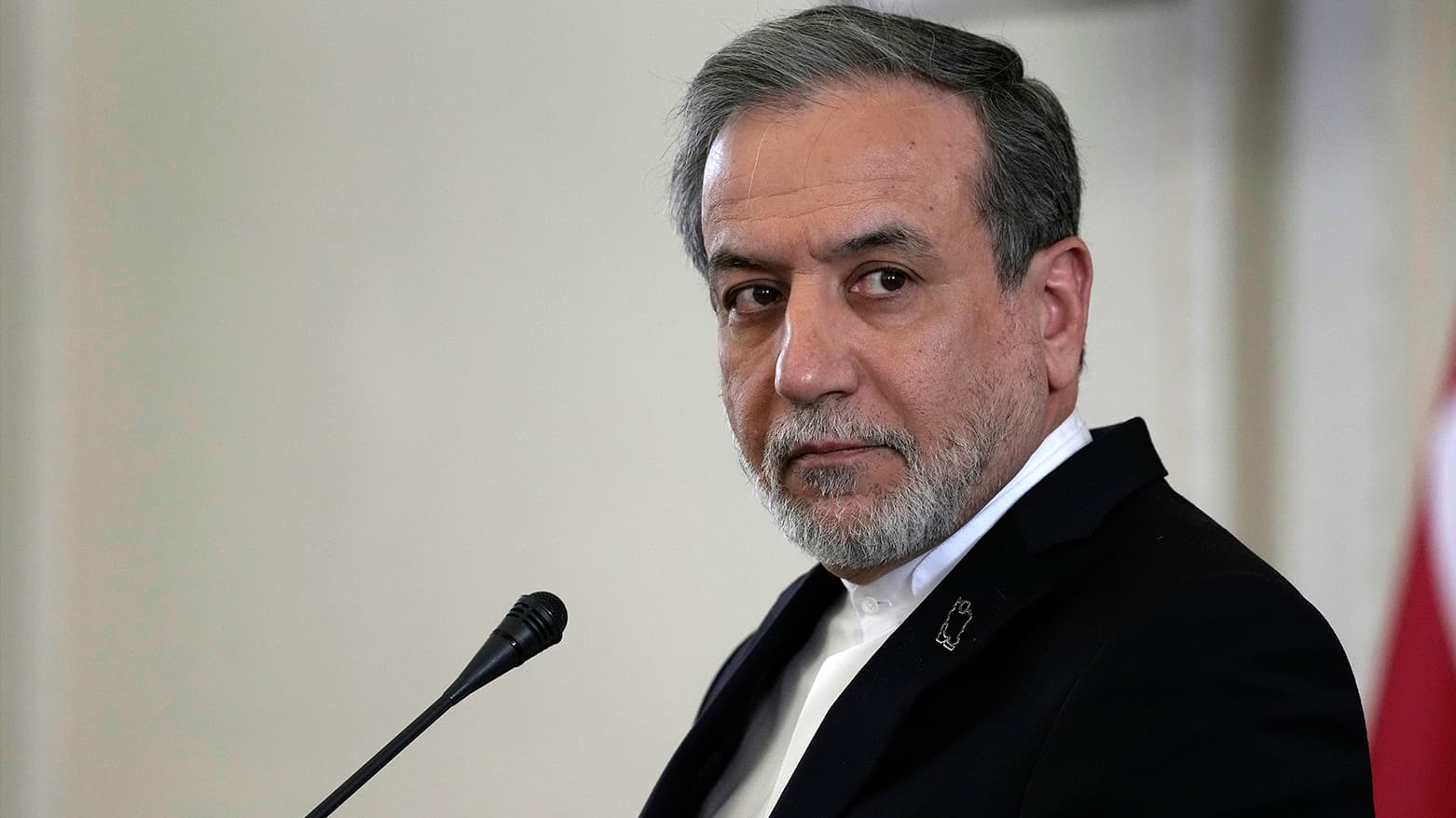
Araghchi published the denial on his official X account, making his rejection explicit and personal in tone.
Accusation: Israel engineered escalation
Araghchi accused Israel of engineering an escalation and framed the US messaging as intended to justify a joint US-Israeli military campaign, which he dubbed "Operation Epic Mistake."
He described the campaign as a deliberate misadventure "engineered by Israel and paid for by ordinary Americans," blaming Israeli strategic aims for drawing the United States into the confrontation.
Both Kurdish and Turkish reporting quoted him using this language to challenge the legitimacy of the publicly stated US rationale.
Claims of market manipulation
Beyond the categorical denial and attribution to Israel, Araghchi also accused US officials of spreading misleading information for other purposes, including economic effects.
“Iranian Foreign Minister Rejects Claims of Planned US Attack as ‘Sheer Lie,’ Accuses Israel of Engineering Escalation Iran’s Foreign Minister Abbas Araghchi rejected claims Tehran planned attacks on US forces, calling them lies and accusing Israel of engineering escalation, as Donald Trump warned Iran over possible mining of the Strait of Hormuz”
He said US statements were timed or intended to influence financial markets, portraying the narrative of an imminent Iranian attack as politically and economically motivated misinformation rather than a factual threat.
Kurdish reporting specifically recorded his claim that misleading information was being used to shape market perceptions.
Rhetorical reframing and motive
Both outlets documented Araghchi's rhetorical reframing of US terms and highlighted his attempt to shift responsibility for escalation onto Israel while portraying American involvement as costly to ordinary citizens.
He deliberately renamed what US sources called 'Operation Epic Fury' as 'Operation Epic Mistake,' using that label to argue that the campaign served Israeli aims rather than US interests.
Kurdish and Turkish accounts thereby presented his statements as part of Tehran's broader diplomatic pushback against narratives justifying military action.
More on Iran
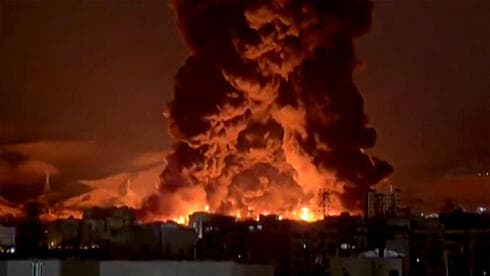
US obliterates military targets on Iran’s Kharg Island, Trump warns
13 sources compared

US Deploys About 2,500 Marines to Middle East After Iran Attacks Gulf Shipping
33 sources compared
FBI Warns of Iranian Drone Plot Based on Unverified Tip; California Says No Credible Threat
10 sources compared

White House Demands ABC Retract Report Claiming Iran Sought To Launch Drone Attacks On California
11 sources compared