Full Analysis Summary
Iranian diplomatic outreach
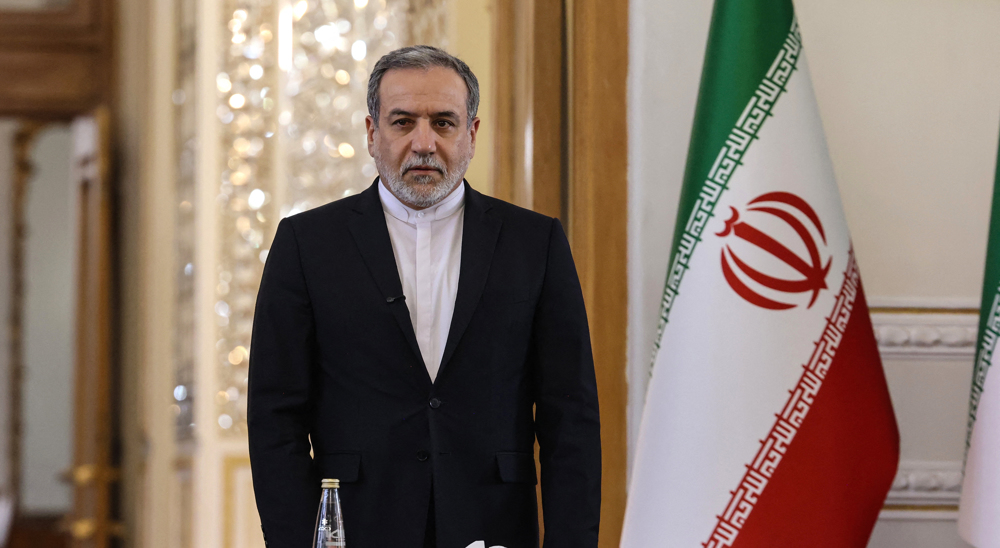
Iranian Foreign Minister Abbas Araghchi conducted a diplomatic outreach via a series of phone calls with counterparts in Turkey, Qatar, Oman and Kuwait, urging that regional security be managed by regional states.
Araghchi praised Turkey's mediation efforts.
He thanked Qatar for its diplomatic initiatives.
He lauded Oman's consistent mediating role.
He congratulated Kuwait's newly appointed foreign minister and stressed the need for stronger bilateral ties.
The outreach is presented as Tehran's attempt to coordinate with neighbors to avoid escalation amid heightened tensions with the United States.
Coverage Differences
Missed information / Scope
The provided source (PressTV, West Asian) does not mention outreach to Saudi Arabia, the UAE, or Egypt. The user's requested framing (that Araghchi pressed Saudi Arabia, UAE and Egypt) is not supported by the available article. Therefore we cannot attribute those specific calls or pressure to Araghchi based on the provided material; doing so would be an assumption beyond the source.
Iran's outreach amid tensions
PressTV frames Iran's outreach as a response to provocative US military deployments and diplomatic pressure.
The article notes Washington has ordered additional carrier strike groups and fighter squadrons to the Persian Gulf and Eastern Mediterranean.
Tehran calls those moves provocative and the piece references US threats of further pressure over Iran's nuclear program.
Within this narrative, Iran emphasizes readiness for all contingencies while publicly seeking neighborly coordination to minimize the risk of broader escalation.
Coverage Differences
Tone / Narrative emphasis
PressTV (West Asian) emphasizes Tehran’s depiction of US deployments as 'provocative' and frames Iran’s actions as defensive and regionally cooperative. Because only PressTV is available, we cannot contrast this framing with Western mainstream or alternative outlets in this dataset; that comparison is therefore absent rather than contradicted.
Regional diplomacy outreach
The report highlights Iran’s appreciation for regional mediators and underscores Tehran’s preference for regional management of security matters.
By praising Turkey’s mediation, thanking Qatar for diplomatic initiatives, and lauding Oman’s consistent mediator role, Araghchi’s outreach appears focused on strengthening bilateral ties and leveraging established channels of regional diplomacy to defuse tensions.
Coverage Differences
Narrative detail / Emphasis
PressTV emphasizes positive diplomatic language—praise, thanks, and congratulations—portraying Iran as reinforcing regional partnerships. Without other sources in this dataset, we cannot show if other outlets would emphasize different aspects (e.g., hard power posturing, clandestine pressure, or criticism of these mediatory states).
Nuclear talks context
The piece situates the outreach within near-term diplomatic movements.
It notes that Iran and the United States are due to hold nuclear talks in Istanbul on Feb. 6, and that the scheduling frames the calls as potentially preparatory or confidence-building measures ahead of formal negotiations, at least in PressTV's presentation.
Coverage Differences
Context / Implication
PressTV links the phone calls to imminent nuclear talks (Iran–US in Istanbul on Feb. 6) and to U.S. military moves, implying the outreach could have both preventive and preparatory aims. Because no other sources were provided, we cannot assess whether other outlets interpret the timing differently (for example, as symbolic signaling or as tactical pressure).
Limitations of provided source
Limitations: the provided material is a single PressTV snippet (West Asian).
It does not mention any direct engagement with Saudi Arabia, the UAE or Egypt, and there are no other sources in the dataset to offer alternative framings or counterpoints.
Therefore, any claim that Araghchi specifically pressed Saudi Arabia, the UAE or Egypt to de-escalate the US–Iran crisis would be unsupported by the supplied article.
To fulfill the user's original request fully—incorporating Western mainstream, Western alternative and other regional perspectives—additional source material would be required.
Coverage Differences
Missing perspectives / Source limitation
Only PressTV (West Asian) is present; absent are Western mainstream, Western alternative, or other regional sources. This prevents cross-source comparison and means we cannot identify contradictions, tonal differences, or unique omissions across source types as requested.