Iran-Israel08 January, 20261 min read
Iranian Government Shuts Down Internet and International Calls as Nationwide Protests Ignite After Reza Pahlavi's Call
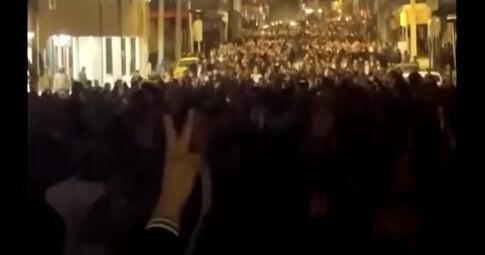
Iranian authorities cut internet and international telephone service nationwide after protests began Mass anti-government protests erupted across Tehran and other cities after Reza Pahlavi's call

11 outlets told this the same way.
Outlets did split on U.S. Intercepts Iran Message Activating Sleeper Cells After U.S.-Israel Strike Kills Khamenei →
Iran protests and outages
Mass anti-government demonstrations erupted across Iran after exiled Reza Pahlavi called for nationwide protests at 8 p.m. Thousands were reported in Tehran and other cities and towns. Protesters chanted anti-regime slogans and, in some places, voiced praise for the shah.
“Iran’s government cut off the internet and international phone lines as a night-time demonstration called by exiled Crown Prince Reza Pahlavi drew thousands into the streets and onto balconies to chant against the regime.”
Within hours, authorities imposed widespread cuts to internet and international phone service. Monitoring groups and tech firms attributed the communications outages to government interference.

Casualty and detention reports
Reports of casualties and mass detentions vary across outlets. Rights groups cited by multiple Western mainstream and regional outlets put deaths in the high 30s or low 40s and detentions at more than 2,200. Exact figures differ by source, and some reports note that security‑force personnel are among the fatalities.
Communications and crowd control
Authorities imposed broad communications restrictions and used conventional crowd-control measures. Monitoring groups NetBlocks and Cloudflare were cited by multiple outlets, which attributed the outages to government interference. Local reports and witnesses described security forces using tear gas and carrying out targeted arrests as calls from abroad and landline connections reportedly failed.
“NetBlocks reported a nationwide internet blackout and the outage affected calls from Dubai to Iran, while activists and CBS/AP sources said outages or severe restrictions were also reported in Esfahan, Lodegan, Abdanan, parts of Shiraz and Kermanshah.”
Protests and Pahlavi's role
The protests are described across outlets as broadly leaderless but energized by Pahlavi’s call. Analysts and outlets differ on whether his appeal can translate into organized leadership. Some reports note criticism of his past ties and the practical challenges of building an alternative after decades of repression.
International reactions and claims
International reactions were swift and stark. U.S. political figures publicly warned Tehran against killing protesters. Quoted language varied by outlet, ranging from threats to "hit them very hard" (CBS) to warnings that Iran would "pay hell" (ABC).
“U.S. President Donald Trump warned Iran he would ‘hit them very hard’ if authorities kill protesters, and Vice President J.D. Vance expressed U.S. support for peaceful demonstrators while urging diplomacy on Iran’s nuclear program.”
Iran International included an unverified claim, attributed to a British lawmaker, about Russian cargo planes and large amounts of gold arriving and leaving Iran. That detail was not echoed in mainstream Western outlets.