Iran-Israel15 January, 20263 min read
Iranian Judiciary Says It Will Not Execute Protester Erfan Soltani
This article is an automated aggregation of coverage from news outlets. Our editorials offer in-depth analysis curated by the NewsCord team.
Iranian judiciary announced Erfan Soltani will not be executed International outcry and U.S. warnings pressured Tehran over planned executions
6 outlets told this the same way.
Outlets did split on U.S. Intercepts Iran Message Activating Sleeper Cells After U.S.-Israel Strike Kills Khamenei →
Soltani execution denial
Iran’s judiciary publicly denied that 26-year-old protester Erfan Soltani had been sentenced to death, a development that both reduced immediate international alarm and drew attention to how information about Iran’s unrest is being reported.
“US President Donald Trump said on Thursday, citing a Fox News report, that Iran would not execute protesters, after Iran’s judiciary said no death sentence had been issued for 26-year-old demonstrator Erfan Soltani — a case that had prompted international outcry.”
News18 reported that Iran’s judiciary said no death sentence had been issued for 26-year-old demonstrator Erfan Soltani — a case that had prompted international outcry — and noted U.S. President Donald Trump cited a Fox News report on the denial and wrote on Truth Social, 'This is good news. Hopefully, it will continue.'
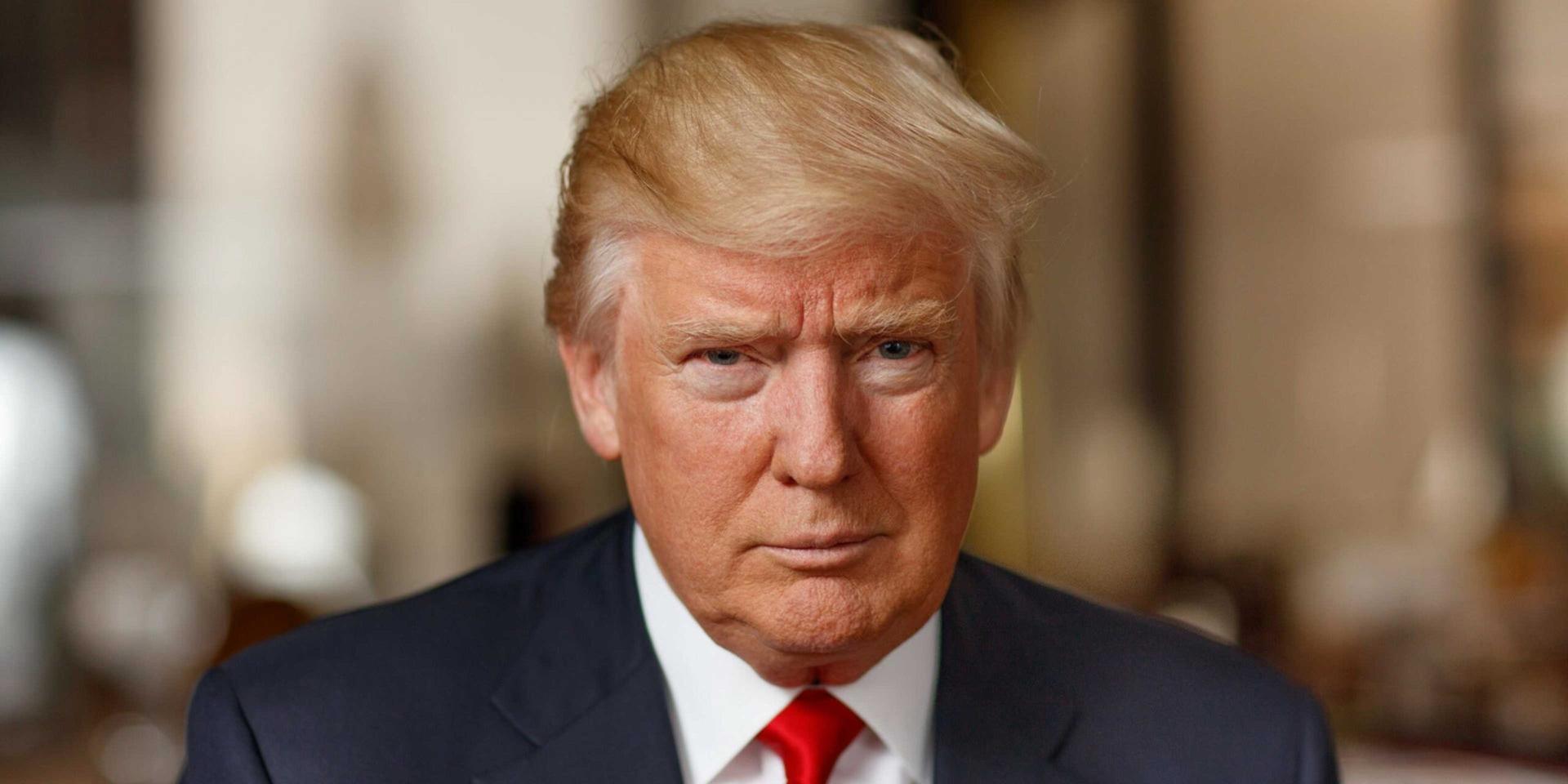
Crispng likewise recorded that Iranian state media denied reports of imminent executions, saying a 26-year-old protester arrested in Karaj, identified by rights groups as Erfan Soltani, would not face the death penalty under the charges reported.
Hindustan Times also recorded Tehran’s denial that it planned to execute 26-year-old protester Erfan Soltani, whose reported death sentence had further escalated international concern.
Soltani case context
The Soltani denial occurred amid widespread unrest that began in late December over economic grievances and quickly escalated into a significant challenge to Iran’s leadership. Sources disagree on the human cost. Crispng reports that rights group HRANA has verified 2,435 protesters and 153 government-affiliated deaths.
Hindustan Times says human-rights groups report more than 3,400 people have been killed since the unrest began on December 28, 2025. Crispng notes a week-long internet blackout that limited independent verification.

Hindustan Times says the government cut internet access, effectively creating a communication blockade. These differences matter for how the Soltani case was perceived internationally.
Media portrayals of U.S. posture
The international response and U.S. posture are presented differently across outlets. News18 highlights President Trump's public comment, quoting his Truth Social post that the news was 'good', and links the judiciary's denial to a Fox News report. Crispng records additional nuance: Trump said he had been told by 'very important sources' that the crackdown was easing, but did not rule out possible U.S. military action and said Washington is monitoring the situation closely.
“In a Truth Social post, Trump quoted Fox News and added, ‘This is good news. Hopefully, it will continue.’”
It also reports U.S. drawdowns at bases such as Al Udeid. Hindustan Times reports both the U.S. threat of possible military action and that Trump signaled de-escalation, and Iran's envoy later said Trump told Tehran he would not attack. These differing accounts show divergence in portrayals of U.S.-Iran tension and diplomacy.
Media coverage of Iran unrest
Domestic narratives inside Iran are contested. Crispng reports Tehran's official line that the unrest was hijacked by foreign adversaries and notes that rights group Hengaw said an earlier execution order had been postponed. Rights groups and independent monitors provided casualty tallies, while state media and the judiciary denied that executions had taken place.
Hindustan Times emphasizes the government's internet restrictions and says the communication cutoff intensified the protests. News18 highlights the judiciary's denial and notes international repercussions, including reaction from former President Trump.

Uncertainty in reporting
Significant uncertainty remains because independent verification is limited and outlets rely on different mixes of state media, rights groups, and international sources. Reuters reports that protests have largely abated since Monday but that independent reporting is constrained by a week-long internet blackout, while Hindustan Times and News18 note the government’s denials and the international response. Given these reporting constraints and the divergent casualty figures and claims about execution orders, the Soltani denial reduces one immediate flashpoint but does not resolve broader questions about scale, accountability, or the accuracy of competing narratives.
“Reuters sources inside Iran say protests have largely abated since Monday, but independent reporting is constrained by a week-long internet blackout.”