
Iranian Missile Strike Kills Captain Ashish Kumar and Dalip Rathore on Skylight Near Strait of Hormuz
Key Takeaways
- Sunil Puniya survived the Skylight missile strike and escaped into burning waters.
- Skylight oil tanker traveled from Dubai toward Strait of Hormuz.
- Thousands of seafarers were left stateless or stranded amid the crisis.
Missile hits Skylight
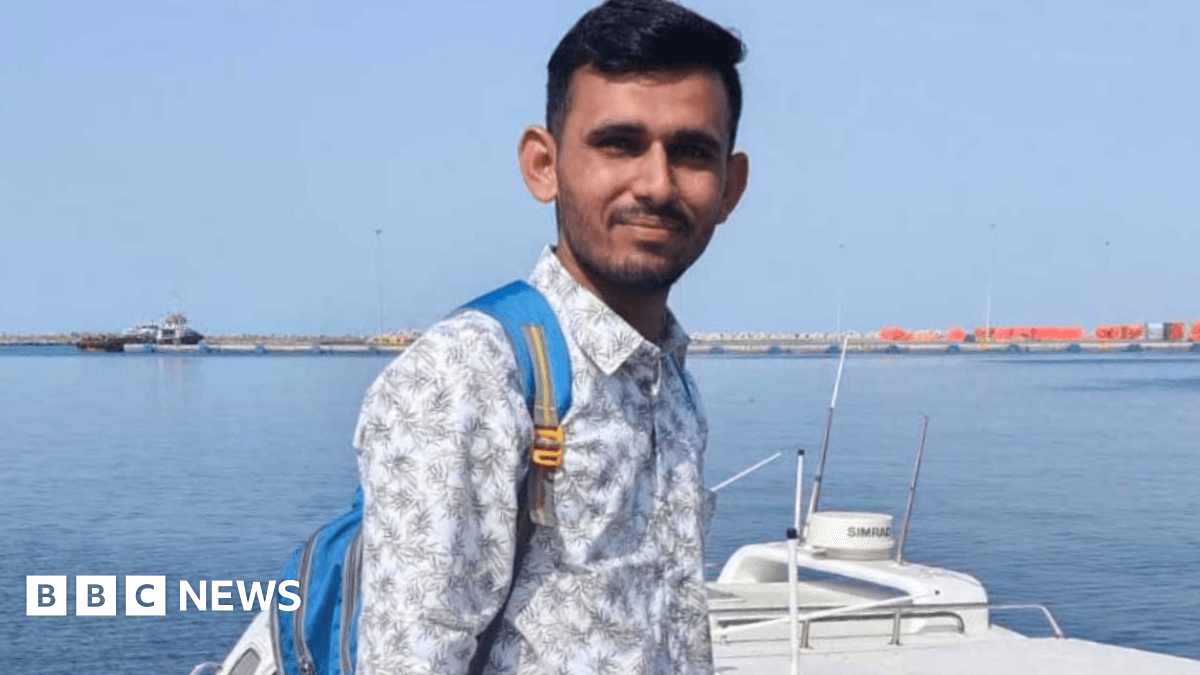
A missile strike hit the oil tanker Skylight in the early hours of 1 March as it neared the Strait of Hormuz, leaving the ship engulfed in chaos and killing Captain Ashish Kumar and 25-year-old seafarer Dalip Rathore, according to Sunil Puniya’s account to Reuters.
“- Published "I felt the whole ship shake”
Puniya, 26, said, "I felt the whole ship shake. I thought there'd been some fault with the engine," before another explosion and a complete blackout as smoke spread everywhere.
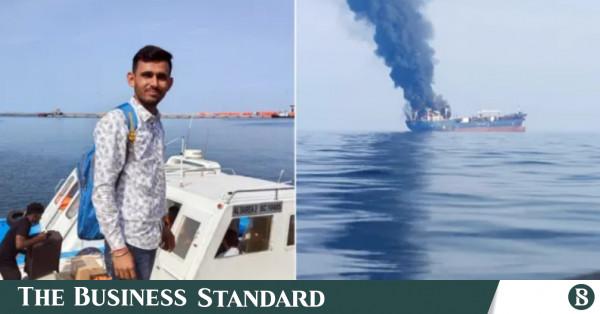
The Business Standard described the attack as part of a maritime crisis that has left thousands of seafarers "stateless" and unprotected, with Puniya saying he was told "all the documents were in place and there is insurance" during recruitment.
The BBC reported that the Oman Navy launched a rescue operation within an hour and pulled survivors from the water, but that Dalip Rathore’s body has never been found.
Stranded crews plead
The National described Puniya as haunted by the blast that killed his friend, saying he told the outlet, "I can still hear the loud blast that killed my friend," after the first vessel struck by an Iranian drone on March 1 off Oman’s Khasab port.
The National also said 20,000 seafarers were stranded in 1,600 vessels in the Gulf waters, and that the crew threw up ropes to bring men down to safety when there was fire on the stairs.
In voice notes obtained by Reuters, trapped men pleaded for help, saying they were running low on provisions and had not heard from their shipowners for months, while the BBC said the ITF defines abandonment as cases where shipowners walk away from crews.
Mohamed Arrachedi, the ITF network coordinator for the Arab world and Iran, told the BBC, "Unfortunately, the industry as a whole has not succeeded in eradicating this cancer that is the abandonment of seafarers."
Insurance, responsibility, risk
The Business Standard said theSkylight was sanctioned by the United States for transporting Iranian oil, then deregistered by its flag state and had lost its mandatory insurance, while crews were kept in the dark about the legal status of the ships they boarded.
“I can still hear the loud blast that killed my friend, says survivor of Iranian drone attack on ship in Gulf For the 20,000 seafarers stranded as war rages around them, and the relatives living in fear for their safety, the last three months have been a terrifying ordeal with no end in sight A young survivor says he can still see the leaping flames and dense smoke that engulfed his ship, the first vessel struck by an Iranian drone, the morning after the war began on February 28”
Michelle Bockmann, a maritime analyst, told Reuters, "Because there's no insurance, there would be no compensation," adding that crews are left to the shipowner’s conscience and that shipowners are "usually" nowhere to be seen.
The BBC said that under maritime law, shipowners are responsible for the welfare and repatriation of their crews, and if shipowners fail to act, responsibility can fall to the vessel's flag state and, ultimately, port authorities.
The BBC also reported that Kpler told BBC Verify 38 commercial vessels have been hit in and around the Strait since the start of the conflict, with data showing 24 ships hit by Iran and four by the US, leaving many hundreds of ships unable to get through the strait.
More on Iran
U.S. Strikes Iran After Trump Says Ceasefire Is Over, Iran Hits U.S. Allies
22 sources compared
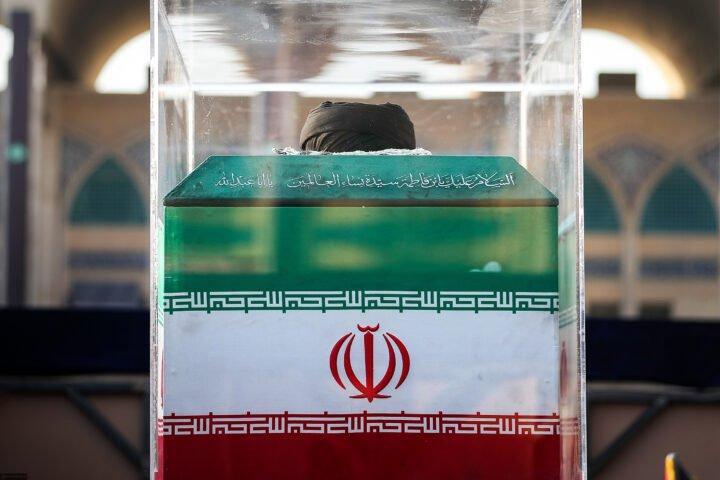
Israeli-American Attack Killed Ayatollah Ali Khamenei as His Body Was Buried in Mashhad
23 sources compared
United States Strikes Hit Bushehr as Iran Says 14 Killed in Past Two Days
17 sources compared

Iran Launches More Strikes After US Attacks Hit Southern Iran, US Central Command Says
36 sources compared