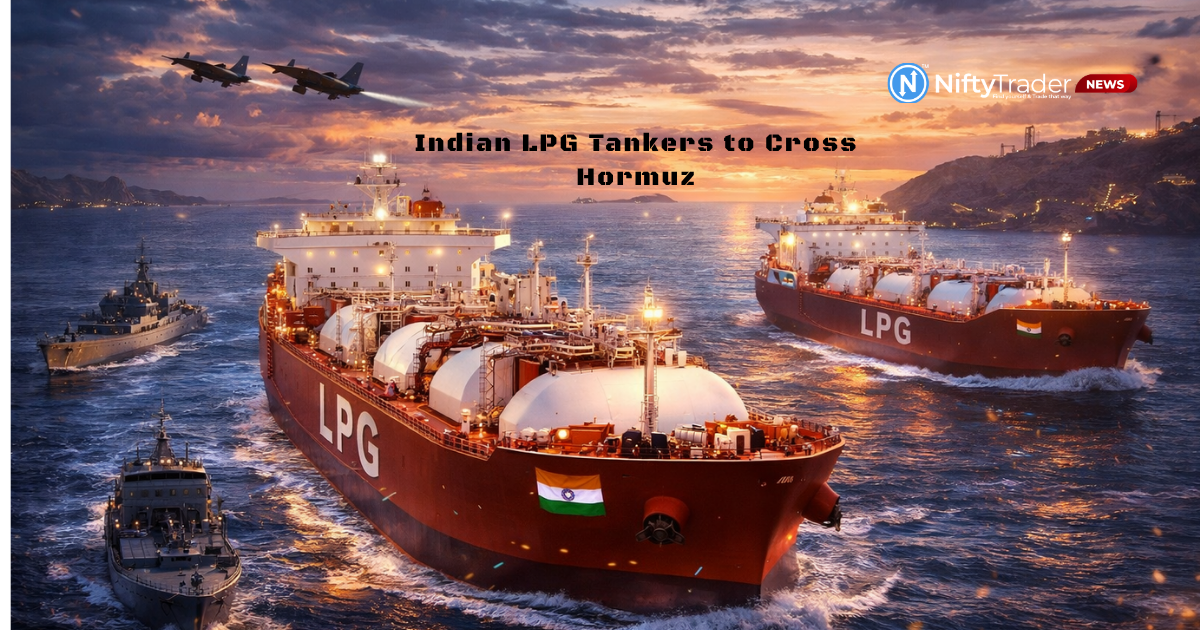
Iranian Navy Guides Indian LPG Tanker Through Strait of Hormuz Amid Gulf Tensions
Key Takeaways
- Indian LPG tanker passed through Strait of Hormuz amid rising Gulf tensions.
- India conducted diplomatic engagement and steps to secure safe passage for its vessels.
- Tensions around the Strait of Hormuz threaten global energy supply chains.
Gulf Tensions Context
Amid escalating West Asian tensions between the US, Israel, and Iran, the Iranian Navy has taken a proactive role in ensuring safe passage for international shipping through the strategically critical Strait of Hormuz.
“Amid rising tensions in West Asia due to the ongoing conflict involving the US, Israel and Iran, the Iranian Navy last week guided an Indian liquefied petroleum gas (LPG) tanker through the Strait of Hormuz, underlining the fragile state of global energy shipping routes”
The Iranian Navy recently guided an Indian liquefied petroleum gas (LPG) tanker through the narrow maritime corridor, underscoring the fragile state of global energy shipping routes in the region.
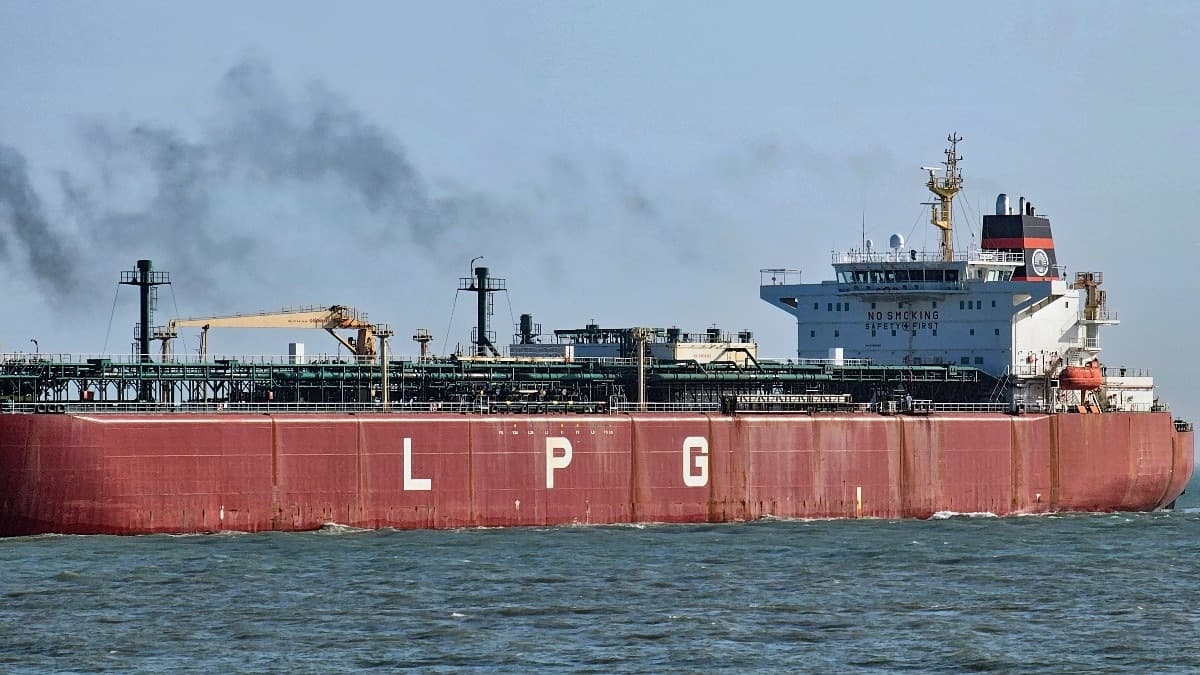
This cooperative action came after diplomatic engagement by New Delhi, with Iranian authorities implementing a verification process that included checking the ship's flag, name, origin, destination ports, and crew nationality before allowing transit through Iranian waters.
The passage occurred along a pre-approved corridor, highlighting Iran's dual role as both a regional security concern and a key player in maritime traffic management during heightened geopolitical tensions.
Transit Security Protocol
The specific transit of the Indian LPG tanker involved meticulous security preparations and coordination between Iranian naval authorities and the vessel's crew.
According to a senior officer onboard cited in a Bloomberg report, the tanker was one of two Indian ships allowed to cross the strait after undergoing thorough verification by Iranian authorities.
The vessel had been anchored in the Persian Gulf for approximately 10 days before receiving permission to transit, during which the crew prepared life rafts and emergency equipment in anticipation of entering the high-risk zone.
During the crossing, the tanker followed a narrow passage near the Iranian coast, a route used by other vessels that had recently received clearance from Iranian authorities.
For security reasons, the vessel switched off its automatic identification system (AIS) and experienced GPS signal disruption, making navigation slower than normal.
Once the vessel successfully exited the strait, Indian Navy ships were positioned on the other side to provide escort, with the national flag flown prominently to indicate the vessel's protected status.
India's Diplomatic Response
India has intensified diplomatic efforts to secure safe passage for its vessels operating in the Gulf region, with the situation escalating beyond operational concerns to become a matter of strategic and diplomatic priority.
“Amid rising tensions in West Asia due to the ongoing conflict involving the US, Israel and Iran, the Iranian Navy last week guided an Indian liquefied petroleum gas (LPG) tanker through the Strait of Hormuz, underlining the fragile state of global energy shipping routes”
Foreign ministry spokesperson Randhir Jaiswal articulated India's official position, emphasizing support for 'safe and unhindered movement' for India's fleet of 22 vessels currently operating in the Gulf.
This coordinated approach reflects India's significant reliance on secure sea routes for energy imports and the broader implications of any disruption to its economic interests.
Prime Minister Narendra Modi has reportedly been in direct communication with global leaders, highlighting the urgency of the situation and India's vested interest in maintaining stable maritime access to the region.
The diplomatic engagement has yielded tangible results, as evidenced by the successful transit of the Indian LPG tanker, demonstrating that India's foreign policy initiatives can effectively navigate complex geopolitical challenges to protect its economic interests.
Global Energy Market Impact
The situation in the Strait of Hormuz has deteriorated significantly, with warnings from Iran that it could target vessels attempting to exit the Gulf, leading to a sharp slowdown in shipping traffic and intensifying global energy market concerns.
The Strait of Hormuz, through which nearly one-fifth of the world's oil supply passes, has become one of the most sensitive maritime corridors since the conflict escalated in late February.
Several ships have reportedly been hit by missiles or drones in recent weeks, causing insurance costs to surge and raising fears that the narrow channel could be mined.
These developments have forced shipping companies to adopt extreme caution, with some vessels delaying voyages while others seek special clearance before entering the strait.
The current tensions pose direct implications for oil prices, inflation rates, and global investor sentiment, making the maritime corridor not just a shipping concern but a potential flashpoint for international energy markets.
The heightened security environment has created uncertainty for commercial shipping operations, with industry sources suggesting vessels may proceed cautiously depending on evolving security conditions and advisories from authorities.
Additional Tankers at Risk
Two additional Indian LPG carriers, Jag Vasant and Pine Gas, are currently positioned near Sharjah and have signaled readiness to sail through the Strait of Hormuz, adding further complexity to the evolving situation.
“Amid rising tensions in West Asia due to the ongoing conflict involving the US, Israel and Iran, the Iranian Navy last week guided an Indian liquefied petroleum gas (LPG) tanker through the Strait of Hormuz, underlining the fragile state of global energy shipping routes”
According to MarineTraffic data, both vessels are actively broadcasting signals indicating departure readiness, though the timing remains uncertain amid elevated security risks.
Jag Vasant has been chartered by Bharat Petroleum Corporation Limited (BPCL), while Pine Gas is operated by Indian Oil Corporation (IOC), highlighting the significant corporate stakes involved in maintaining safe maritime access.
Neither company has issued official statements regarding the vessels' potential transit, reflecting the sensitive and fluid nature of the geopolitical situation.
Industry sources suggest these vessels may proceed cautiously, with their movements contingent on evolving security conditions and authoritative advisories.
The preparedness of these additional tankers underscores India's ongoing vulnerability in the region and the need for continued diplomatic engagement to ensure the safe passage of its commercial fleet through one of the world's most strategically vital waterways.
More on Asia

Anutin Charnvirakul Wins Reelection as Thailand's Prime Minister
15 sources compared

Drone strike at Dubai International Airport shuts down flights; attacker unconfirmed.
50 sources compared
Iran Strikes Italian Military Base in Erbil, Forcing Troops Into Bunkers
28 sources compared

Former South Korean president Yoon Suk-yeol appeals life sentence for leading insurrection
14 sources compared