Full Analysis Summary
Activist's Death Sparks Controversy
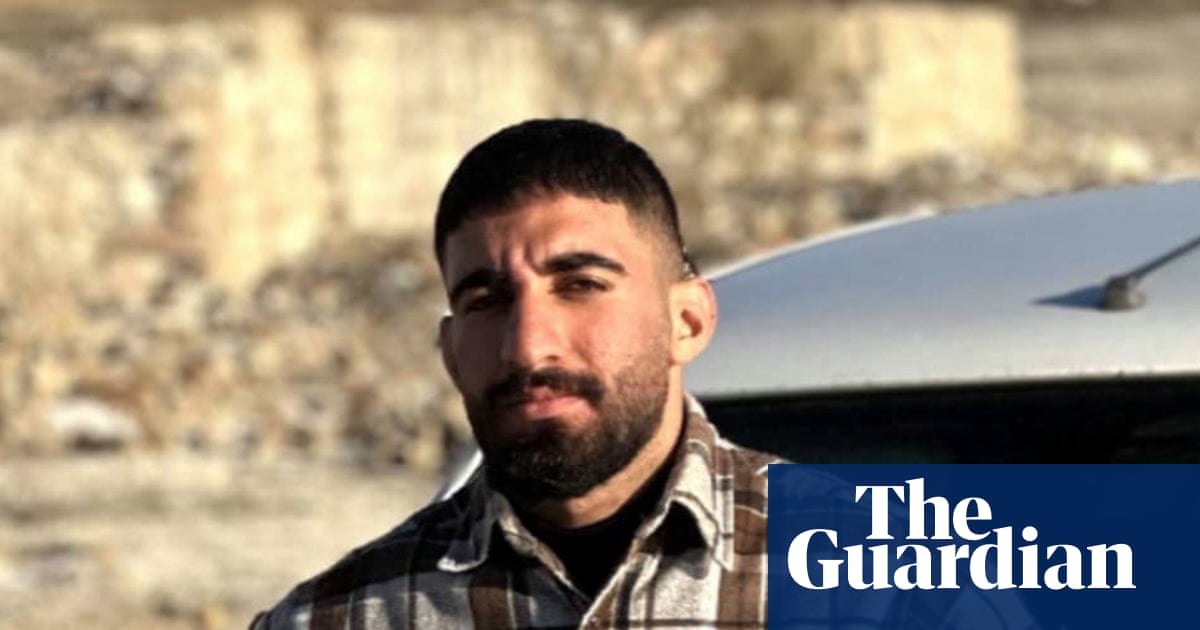
Activist Omid Sarlak filmed himself burning a photo of Iran’s Supreme Leader, Ali Khamenei.
He was later found dead from a gunshot wound in his car.
Authorities claim it was suicide, citing gunpowder residue on his hands as evidence.
However, activists and anti-government groups suspect he was killed because of his dissent.
The case quickly became a flashpoint, with outrage and protests spreading.
Many people replicated Sarlak’s act of burning Khamenei’s photo in response.
While the basic facts are consistent across sources, interpretations differ sharply.
Official accounts maintain it was suicide, whereas activists allege it was a staged killing.
Coverage Differences
tone
The Guardian (Western Mainstream) frames the event with institutional context and demographics—identifying Sarlak as 22 and noting protests—while Dialogue Pakistan (Other) emphasizes skepticism of the suicide narrative, citing specific forensic details (gunpowder traces) and immediate activist distrust. The Guardian reports that activists and anti-government media suspect a killing; Dialogue Pakistan stresses that many Iranians doubt the official explanation right after the protest video.
missed information
Dialogue Pakistan (Other) uniquely mentions the detail about “gunpowder traces” used to justify the suicide claim, which The Guardian (Western Mainstream) does not specify. Conversely, The Guardian adds the protest replication context and Sarlak’s age, which Dialogue Pakistan does not state.
Suspicious Family Statements
Footage from the scene, referenced by both outlets, shows Sarlak’s father suggesting foul play.
Later, state TV aired him urging trust in the authorities.
Activists allege these developments occurred under pressure and surveillance.
This sequence—the father’s initial claims at the scene, followed by a public appeal to trust judicial authorities—has become central to suspicions that the suicide narrative was staged.
There are also concerns that the family is being coerced.
Coverage Differences
narrative
Dialogue Pakistan (Other) presents a more categorical activist allegation of coercion—stating the family is under pressure and the interview is coerced—while The Guardian (Western Mainstream) reports the same sequence in more qualified language, saying the video “suggested foul play” and that there are “claims the family is under surveillance.”
tone
The Guardian (Western Mainstream) uses cautious phrasing and attributions (“suggested”; “claims”), whereas Dialogue Pakistan (Other) echoes activist certainty about coercion and pressure, intensifying skepticism toward the official narrative.
Public Reaction to Defiance
Public backlash has grown following Sarlak’s defiant act.
Activists replicated his action by burning Khamenei’s photo.
Hundreds reportedly attended his funeral chanting slogans against the regime.
This event turned his case into a symbol of resistance.
Dialogue Pakistan highlights the immediate outrage among activists.
The Guardian places this outrage within broader protest dynamics.
It emphasizes the replication of his act and the large, politicized funeral.
Coverage Differences
missed information
Only The Guardian (Western Mainstream) mentions the funeral crowd size and anti-regime chants, as well as copycat acts of photo burning; Dialogue Pakistan (Other) focuses on activist outrage but does not provide those specific details.
tone
Dialogue Pakistan (Other) conveys an accusatory tone toward the official account by foregrounding activist outrage, while The Guardian (Western Mainstream) balances that with concrete on-the-ground manifestations—protests, emulations, funeral slogans—presented in descriptive terms.
Disputed Cause of Death
The cause of death remains contested: officials say suicide, while activists allege a killing staged to look like suicide.
Dialogue Pakistan highlights the gunpowder-residue claim and the father’s initial accusation that Sarlak was "shot while surrounded."
The Guardian underscores that activists and anti-government media suspect state involvement and that the family is under surveillance.
Neither source presents independent forensic verification, underscoring that the truth of what happened remains disputed and unclear.
Coverage Differences
ambiguity
Both sources report competing narratives without conclusive proof: Dialogue Pakistan (Other) relays official forensic claims and activist allegations of coercion; The Guardian (Western Mainstream) reports suicide claims and activist suspicions but notes surveillance claims and lacks forensic detail—highlighting unresolved ambiguity.
narrative
Dialogue Pakistan (Other) foregrounds suspected coercion of the family to support the suicide narrative, whereas The Guardian (Western Mainstream) broadens the frame to include societal reactions—copycat protests and a large funeral—positioning the case as a wider symbol of resistance.